

Question: How many provinces are there in China?
Quick Answer: China has 34 province-level administrative divisions.
China has 34 province-level administrative divisions. These include 23 provinces, 5 autonomous regions, 4 municipalities, and 2 special administrative regions.
What Is a “Province” in China?
In China, “province” often refers to province-level divisions, which are the top tier of the country’s administrative structure.
They fall into four categories:
Provinces (23) – The most common type, such as Guangdong, Sichuan, and Zhejiang.
Autonomous Regions (5) – Areas with large ethnic minority populations like Xinjiang and Tibet, with some local autonomy.
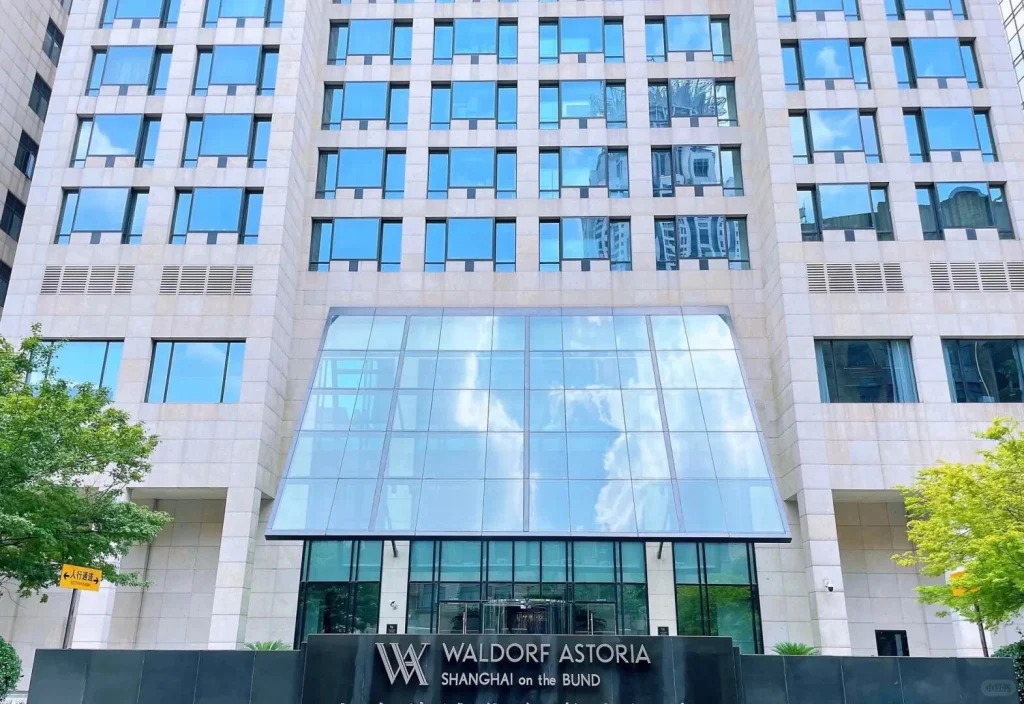
Municipalities (4) – Mega cities directly governed by the central government, including Beijing and Shanghai.
Special Administrative Regions (2) – Hong Kong and Macau, which follow “One Country, Two Systems” and have high autonomy.
| Province/Region | Type | Capital | Abbreviation (Pinyin) |
|---|---|---|---|
| Beijing | Municipality | Beijing | 京 (Jīng) |
| Shanghai | Municipality | Shanghai | 沪 (Hù) |
| Tianjin | Municipality | Tianjin | 津 (Jīn) |
| Chongqing | Municipality | Chongqing | 渝 (Yú) |
| Guangdong | Province | Guangzhou | 粤 (Yuè) |
| Zhejiang | Province | Hangzhou | 浙 (Zhè) |
| Sichuan | Province | Chengdu | 川 (Chuān) |
| Shandong | Province | Jinan | 鲁 (Lǔ) |
| Henan | Province | Zhengzhou | 豫 (Yù) |
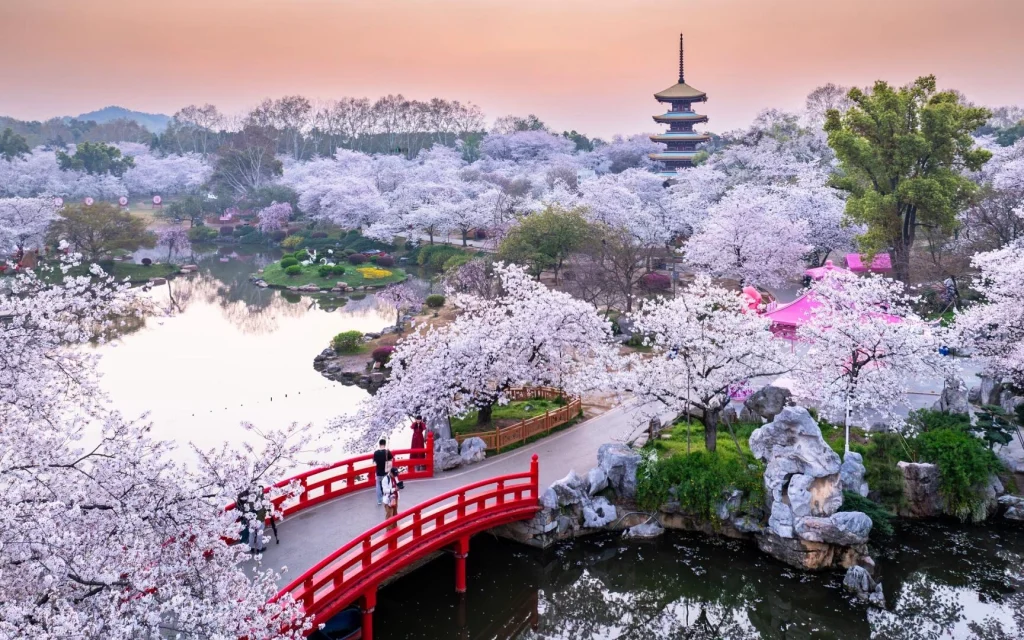
| Hubei | Province | Wuhan | 鄂 (È) |
| Jiangsu | Province | Nanjing | 苏 (Sū) |
| Hunan | Province | Changsha | 湘 (Xiāng) |
| Fujian | Province | Fuzhou | 闽 (Mǐn) |
| Jiangxi | Province | Nanchang | 赣 (Gàn) |
| Heilongjiang | Province | Harbin | 黑 (Hēi) |
| Jilin | Province | Changchun | 吉 (Jí) |
| Liaoning | Province | Shenyang | 辽 (Liáo) |
| Hebei | Province | Shijiazhuang | 冀 (Jì) |
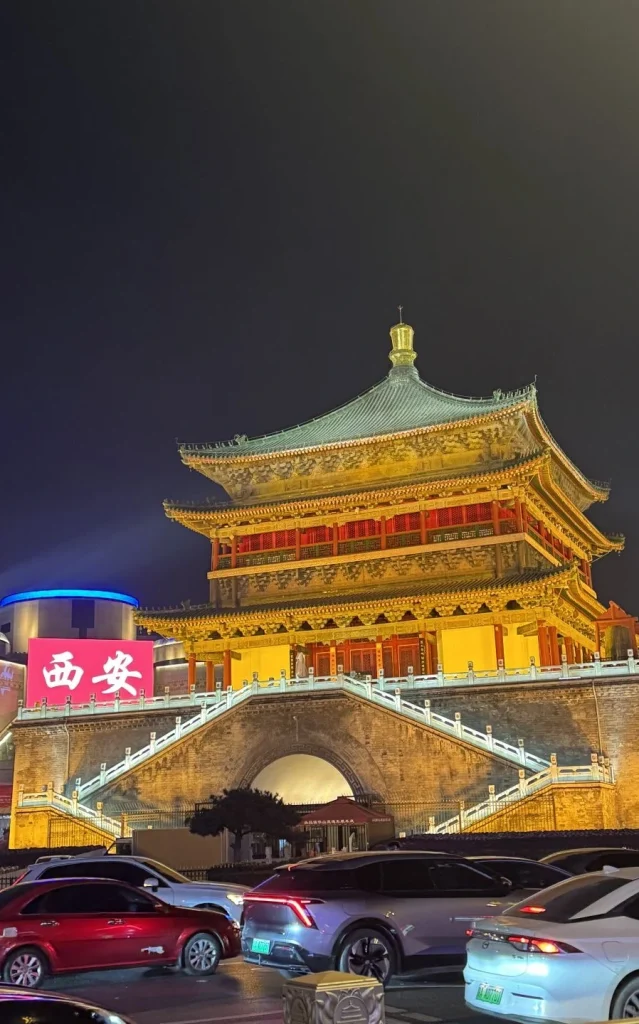
| Shaanxi | Province | Xi’an | 陕 (Shǎn) |
| Shanxi | Province | Taiyuan | 晋 (Jìn) |
| Guangxi | Autonomous Region | Nanning | 桂 (Guì) |
| Inner Mongolia | Autonomous Region | Hohhot | 蒙 (Měng) |
| Xinjiang | Autonomous Region | Urumqi | 新 (Xīn) |
| Tibet | Autonomous Region | Lhasa | 藏 (Zàng) |
| Ningxia | Autonomous Region | Yinchuan | 宁 (Níng) |
| Gansu | Province | Lanzhou | 甘 (Gān) |
| Qinghai | Province | Xining | 青 (Qīng) |
| Guizhou | Province | Guiyang | 黔 (Qián) |
| Yunnan | Province | Kunming | 滇 (Diān) |
| Hainan | Province | Haikou | 琼 (Qióng) |
| Anhui | Province | Hefei | 皖 (Wǎn) |
| Hong Kong | Special Administrative Region | Hong Kong | 港 (Gǎng) |
| Macau | Special Administrative Region | Macau | 澳 (Ào) |
| Taiwan | Province (claimed) | Taipei | 台 (Tái) |
Breakdown of China’s 34 Province-Level Divisions
1. 23 Provinces:
Examples:
Guangdong – China’s richest province by GDP
Sichuan – Home to giant pandas and spicy food
Shandong – Known for Confucius and Tsingtao Beer
2. 5 Autonomous Regions:
Examples:
Xinjiang – China’s largest region, culturally diverse
Tibet – High-altitude region with strong Tibetan traditions
Inner Mongolia – Known for grasslands and nomadic culture
3. 4 Municipalities:
Beijing – Capital city and political center
Shanghai – Financial hub with over 24 million residents
Tianjin – Port city near Beijing
4. 2 Special Administrative Regions (SARs):
Hong Kong – Global financial hub with its own currency and legal system
Macau – Famed for tourism, casinos, and Portuguese-Chinese culture
Common Questions
Q: Is Taiwan included in the 23 provinces?
Yes. China officially considers Taiwan as one of its provinces, with Taipei as the capital. However, it is currently administered separately by Taiwan’s own government.
Q: Has the number of provinces changed?
Yes. For example, Chongqing became a municipality in 1997, and Hainan became a full province in 1988.
Summary
China’s administrative structure includes:
23 provinces (e.g., Guangdong, Henan, Sichuan)
5 autonomous regions (e.g., Tibet, Xinjiang)
4 municipalities (e.g., Beijing, Shanghai)
2 special administrative regions (Hong Kong, Macau)