
Question: Is China communist?
Quick Answer: China is politically a communist, single‑party state led by the CCP, but runs a socialist market economy—blending centralized control with market reforms.
China is officially a communist country, but its system today blends communist political control with elements of market-driven economics.
1. Political Identity: A Socialist State Led by the Communist Party
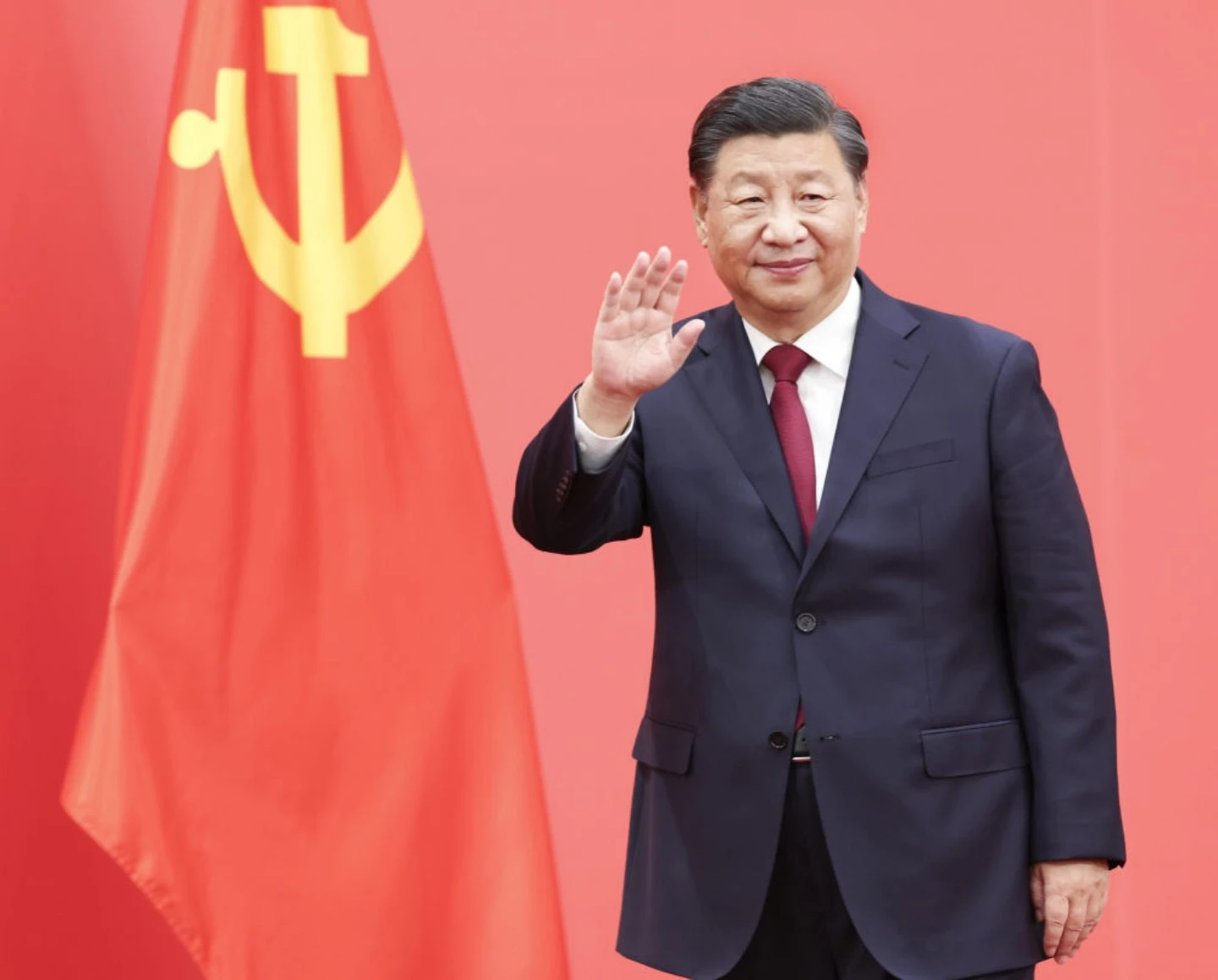
China’s Constitution defines it as “a socialist state under the people’s democratic dictatorship,” led by the working class and its vanguard—the Chinese Communist Party (CCP). All key state organs operate under CCP leadership, with the Party maintaining a monopoly over political power and decision-making.
2. One-Party Rule & Democratic Centralism
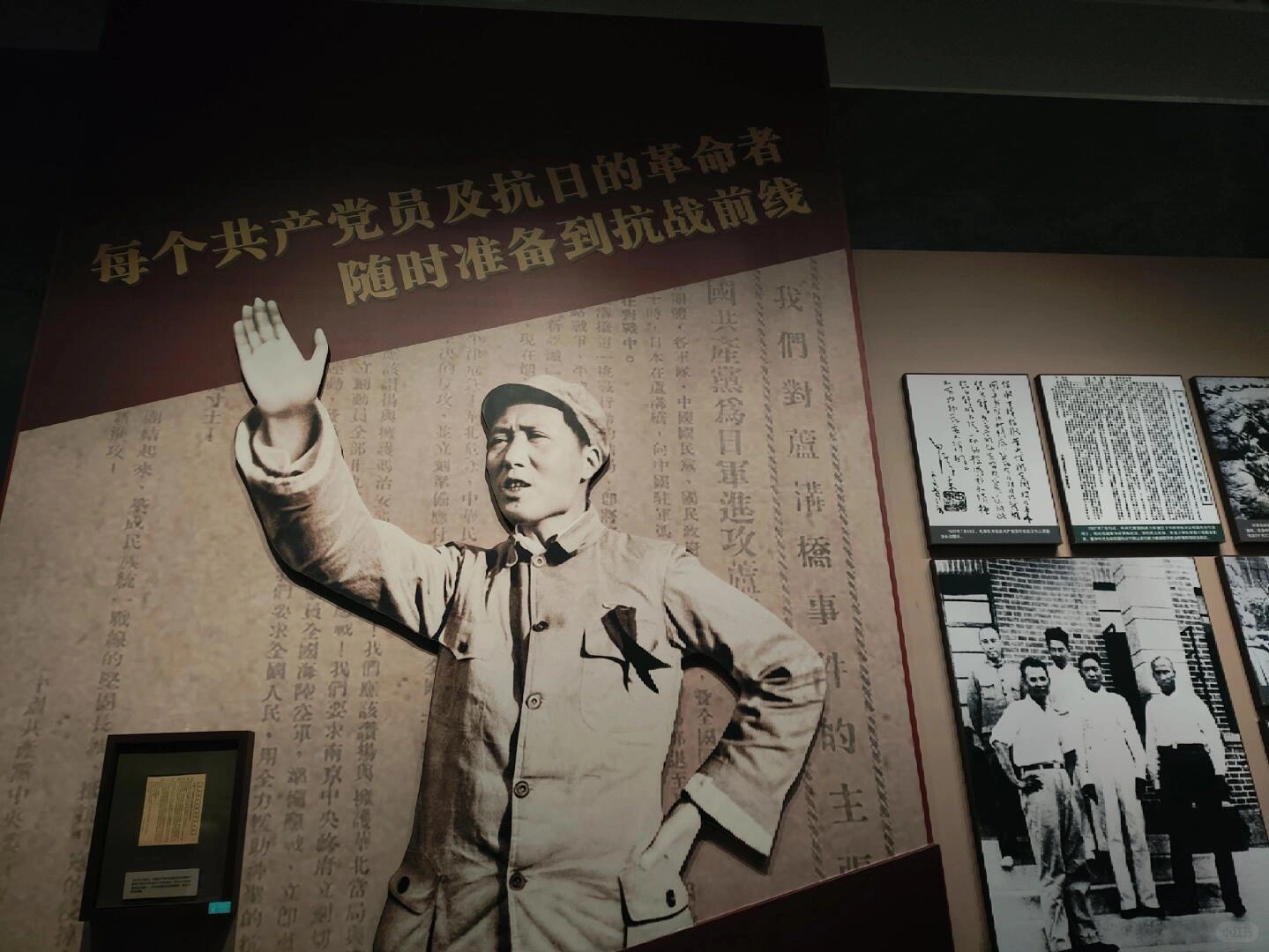
China functions under a single-party system with no national-level competitive elections. Although local-level elections exist, candidate selection is closely controlled by the CCP, ensuring the Party’s dominance. This centralized model is formally known as “democratic centralism”.
3. Ideological Continuity Under Xi Jinping
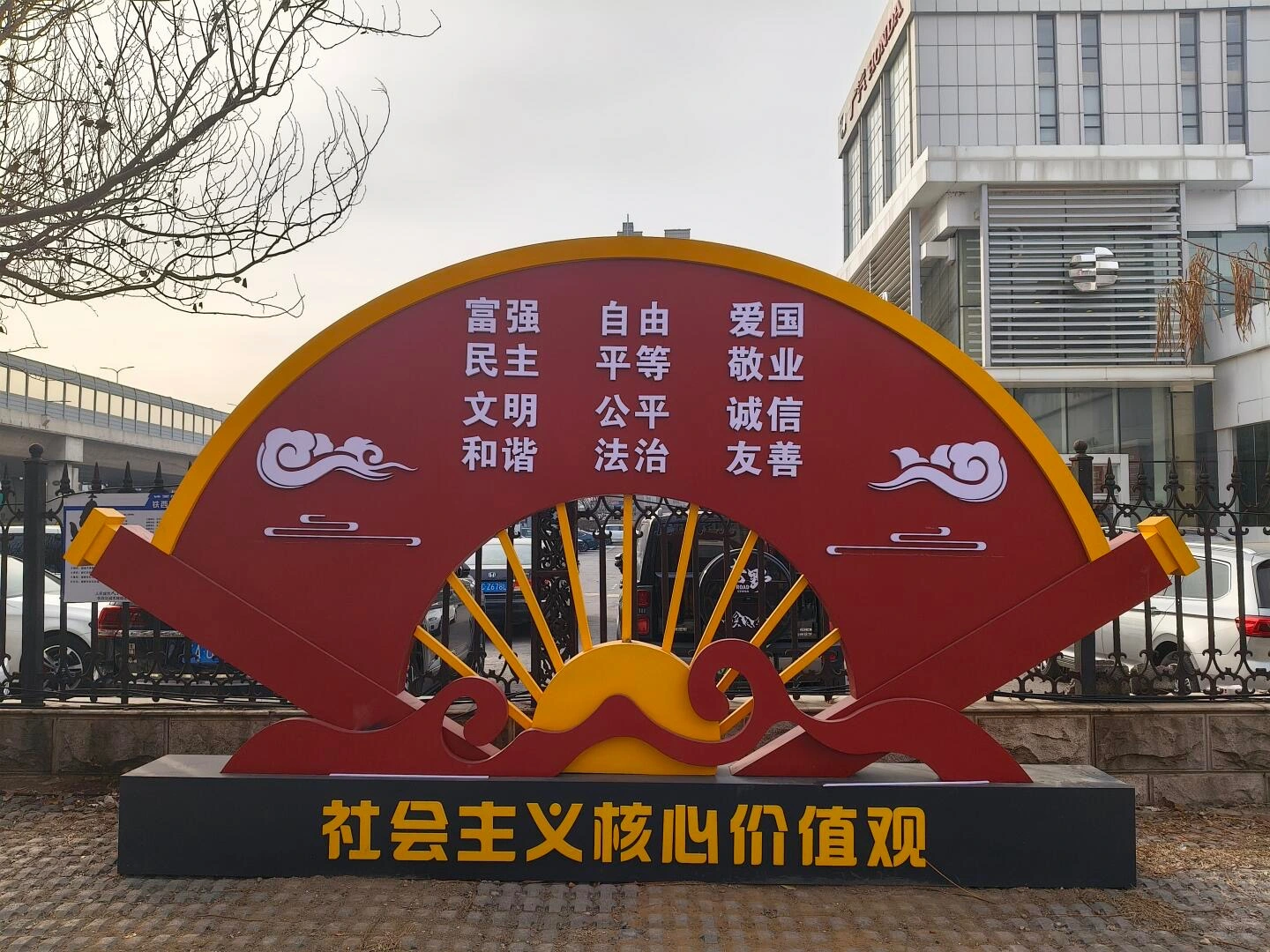
Under the current leader Xi Jinping, China has reaffirmed its commitment to “socialism with Chinese characteristics,” and has even emphasized Marxist-Leninist ideals as the guiding ideology. Xi has declared that “only socialism can save China,” signaling a stronger ideological stance compared to recent decades.
4. Economic Reality: Socialist Market Economy

Despite political centralization, China has long embraced a mixed economic model. Since Deng Xiaoping’s reforms in the late 1970s, China’s economy has become a “socialist market economy.” This means private ownership, international trade, and capitalist-style entrepreneurship coexist under the CCP’s strategic direction. The Party remains directly involved in state-owned enterprises, regulatory bodies, and key industries.
5. International Comparison: Unique Hybrid
China’s system is distinct from classic communist models like the USSR. Instead, it combines strong political control by the CCP with openness to global markets and external investment. Externally, it’s often labeled authoritarian, but this label doesn’t reflect its unique blend of ideology and pragmatism.
Summary
Yes, China is officially communist — a single-party, socialist state led by the CCP under democratic centralism.
In reality, it’s a hybrid, combining political authoritarianism with a vibrant, market-oriented economy.
Recent leadership under Xi has reasserted communist ideology even as the nation remains open to global trade and innovation.