Written by
Anthony
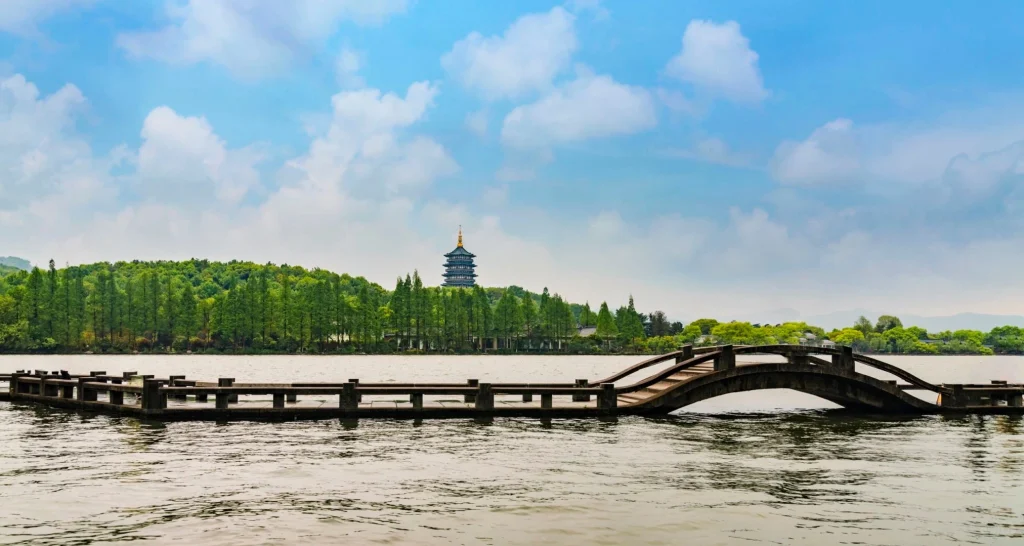
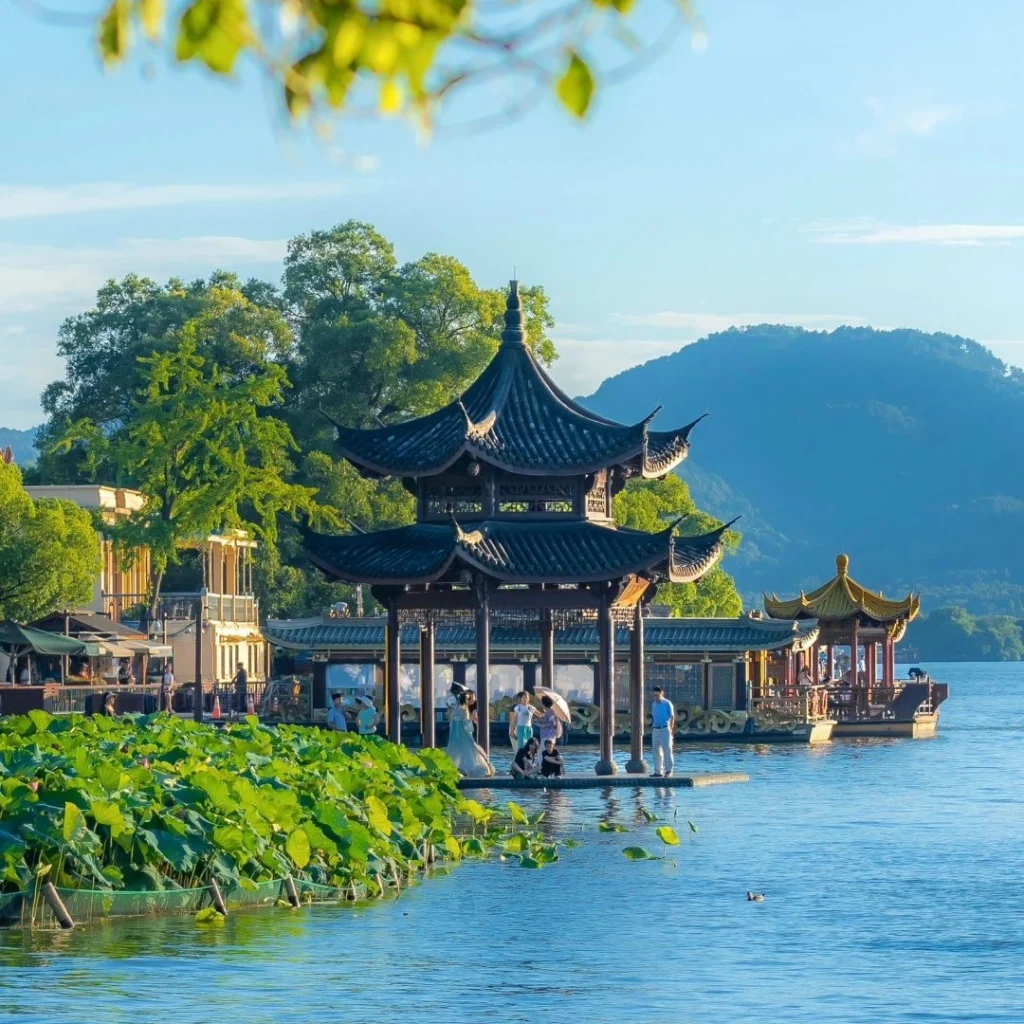
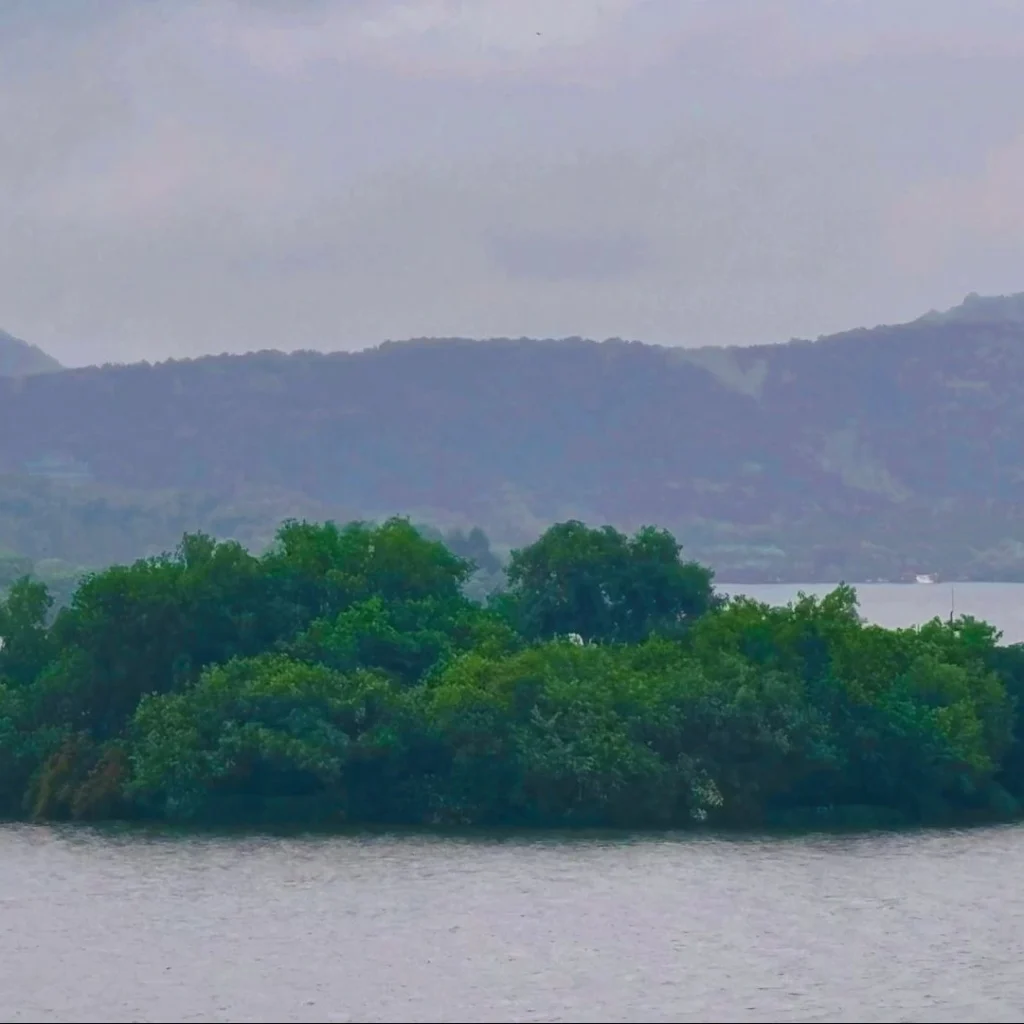
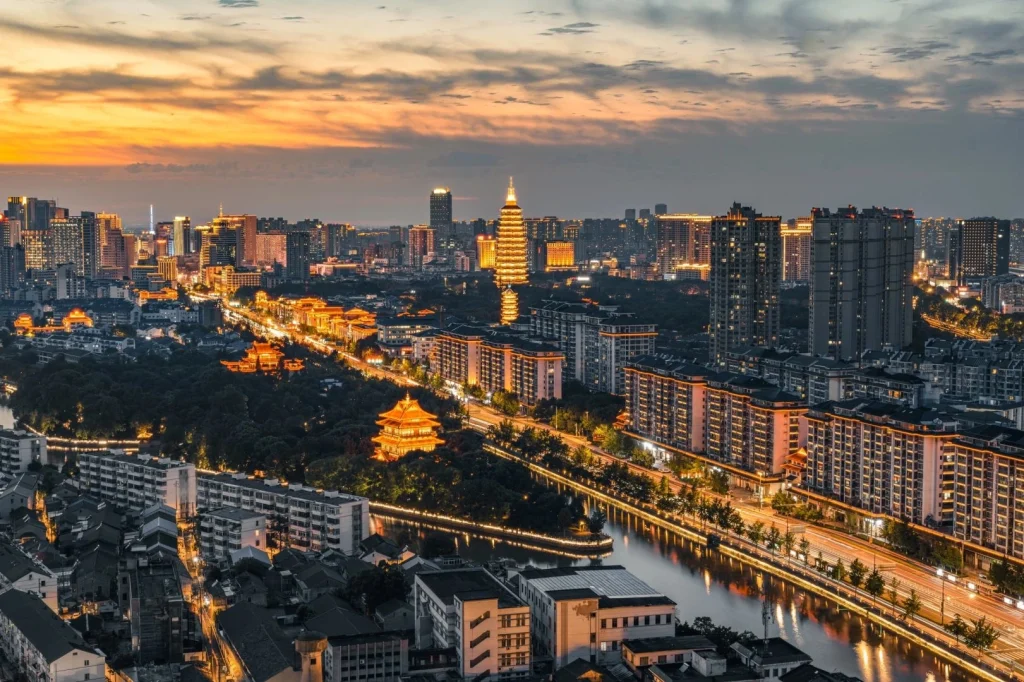
West Lake, nestled in the heart of Hangzhou, is one of China’s most renowned scenic attractions and a UNESCO World Heritage Site.
Its serene beauty and historical significance have inspired poets and artists for centuries.
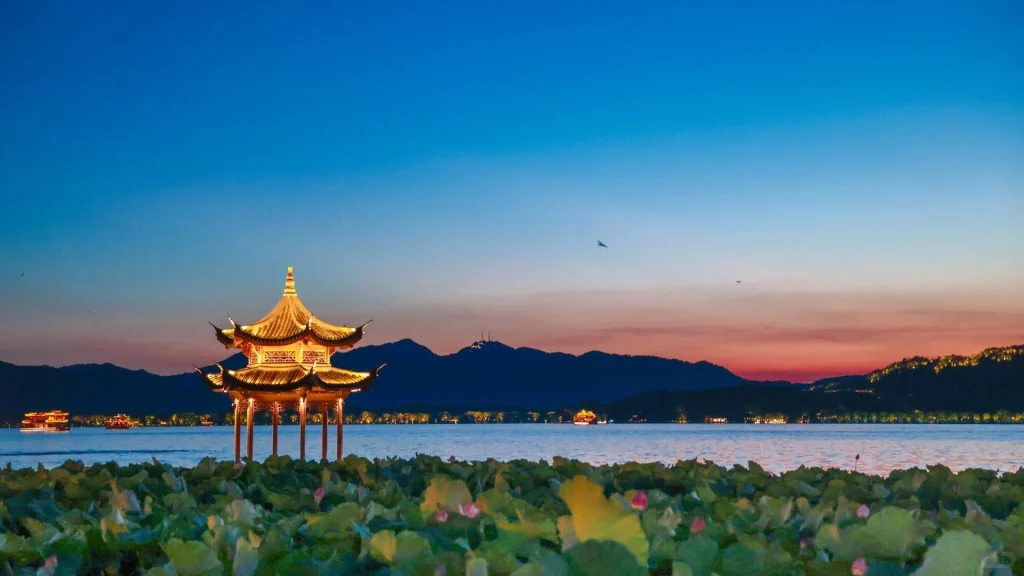
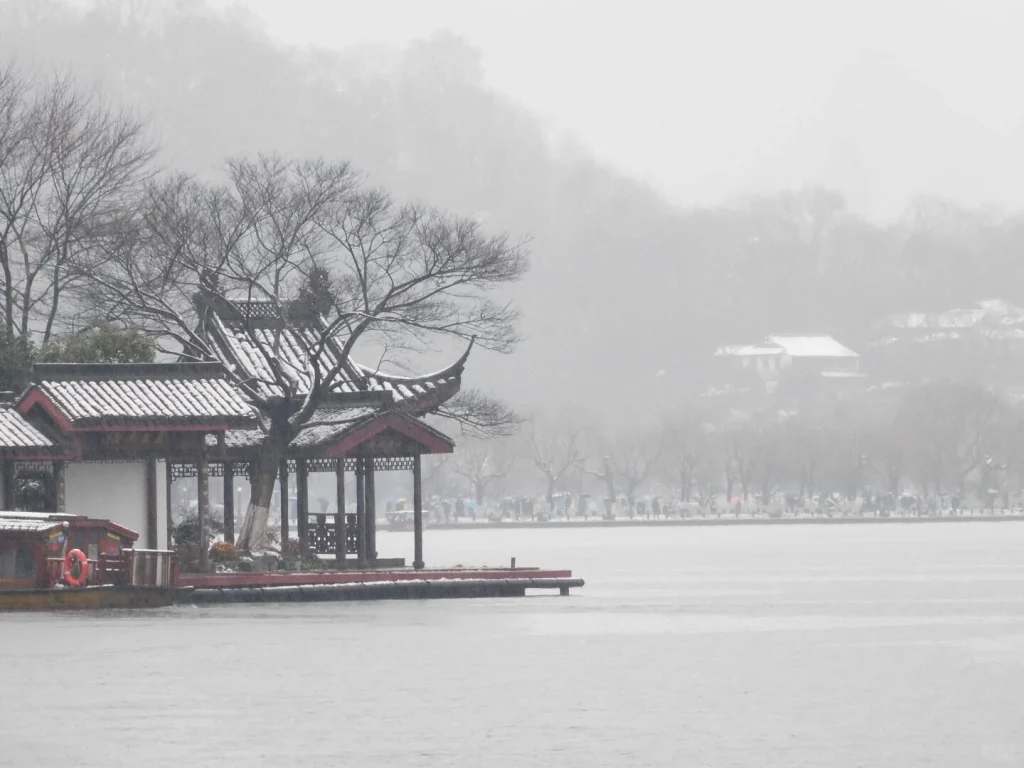
Surrounded by lush hills, ancient temples, and pagodas, West Lake offers picturesque views year-round, from lotus blooms in summer to misty reflections in winter.
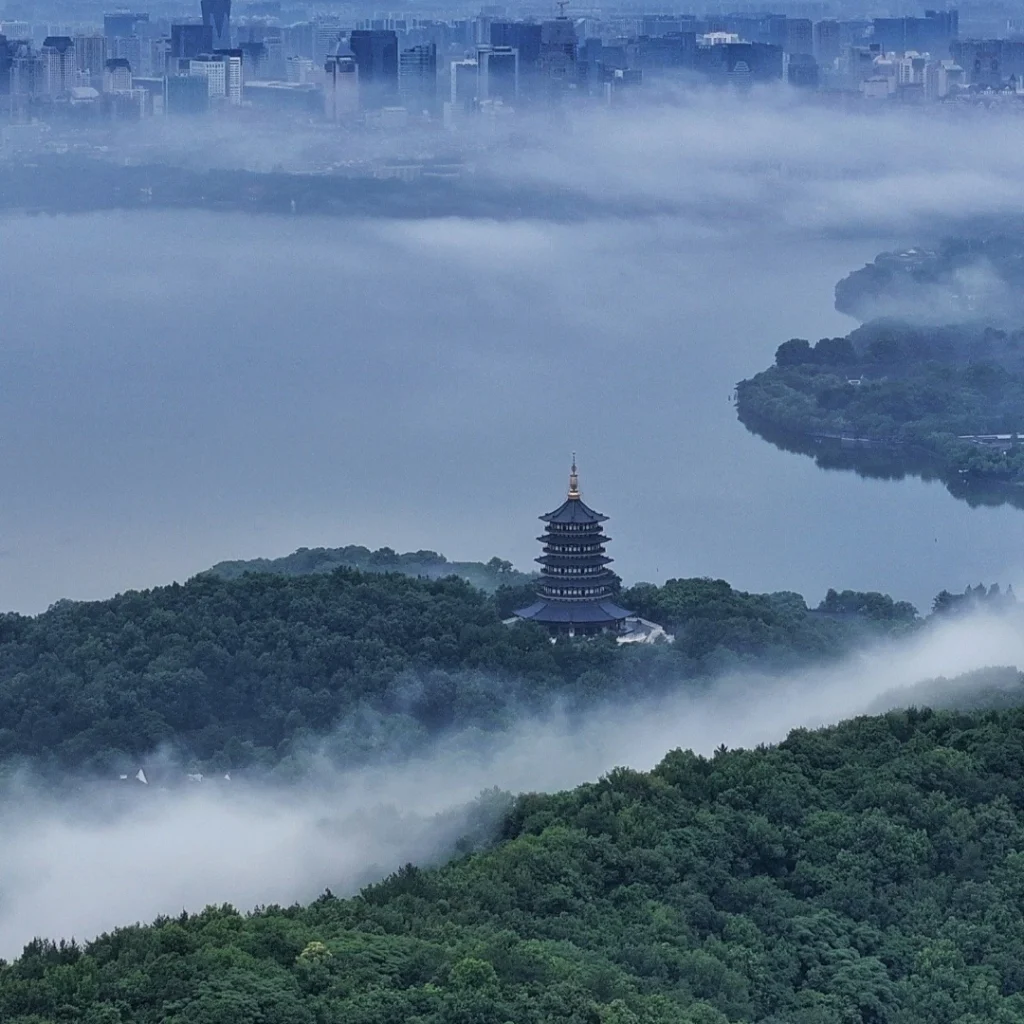
Famous landmarks like Leifeng Pagoda, the Broken Bridge, and Su Causeway add to its legendary charm, making West Lake a perfect blend of natural beauty and cultural heritage.
| Category | Details |
|---|---|
| Name | West Lake |
| Chinese Name | 西湖 |
| Location | Hangzhou, Zhejiang Province |
| Surface Area | 6.5 square kilometers |
| World Heritage Status | UNESCO World Heritage Site since 2011 |
| Famous Landmarks | Leifeng Pagoda, Broken Bridge, Su Causeway |
| Notable Features | Natural scenery, historical sites |
| Water Depth | Average depth: 1.5 meters |
| Cultural Significance | Inspiration for poets and artists for centuries |
| Best Seasons to Visit | Spring and Autumn |
| Main Attractions | Boating, walking paths, traditional gardens |
| Iconic Views | Lotus blossoms, reflections of mist |
| Notable Bridges | Broken Bridge, Long Bridge, Yudai Bridge |
| Key Temples | Lingyin Temple, Yue Fei Temple |
| Historical Importance | Linked to Chinese culture and folklore |
| Surrounding Hills | Solitary Hill, Phoenix Hill |
West Lake captivates year-round, each season revealing a distinct charm—whether it’s springtime blossoms or winter’s snowy hush, there’s always a perfect moment to meet its poetry in motion.
Spring is West Lake’s most romantic season.
Walk along Su Causeway as peach blossoms bloom and willows sway—petals flutter into the lake like a living painting.
Taiziwan Park dazzles with cherry blossoms and tulips set against Leifeng Pagoda’s silhouette.
Frequent drizzles add to the charm, veiling the lake in mist. Ideal for slow strolls, boat rides, and sipping freshly picked Longjing tea.
Fall brings sweet-scented osmanthus blooms to the paths of Manlong Guiyu.
Locals gather the blossoms to make seasonal treats, infusing the city with their aroma.
On Mid-Autumn nights, the lake reflects a luminous moon—perfectly viewed from lakeside teahouses.
With clear skies, light breeze, and comfortable temperatures, it’s the best time for biking along tree-lined paths or hiking up Baoshi Hill for a panoramic view.
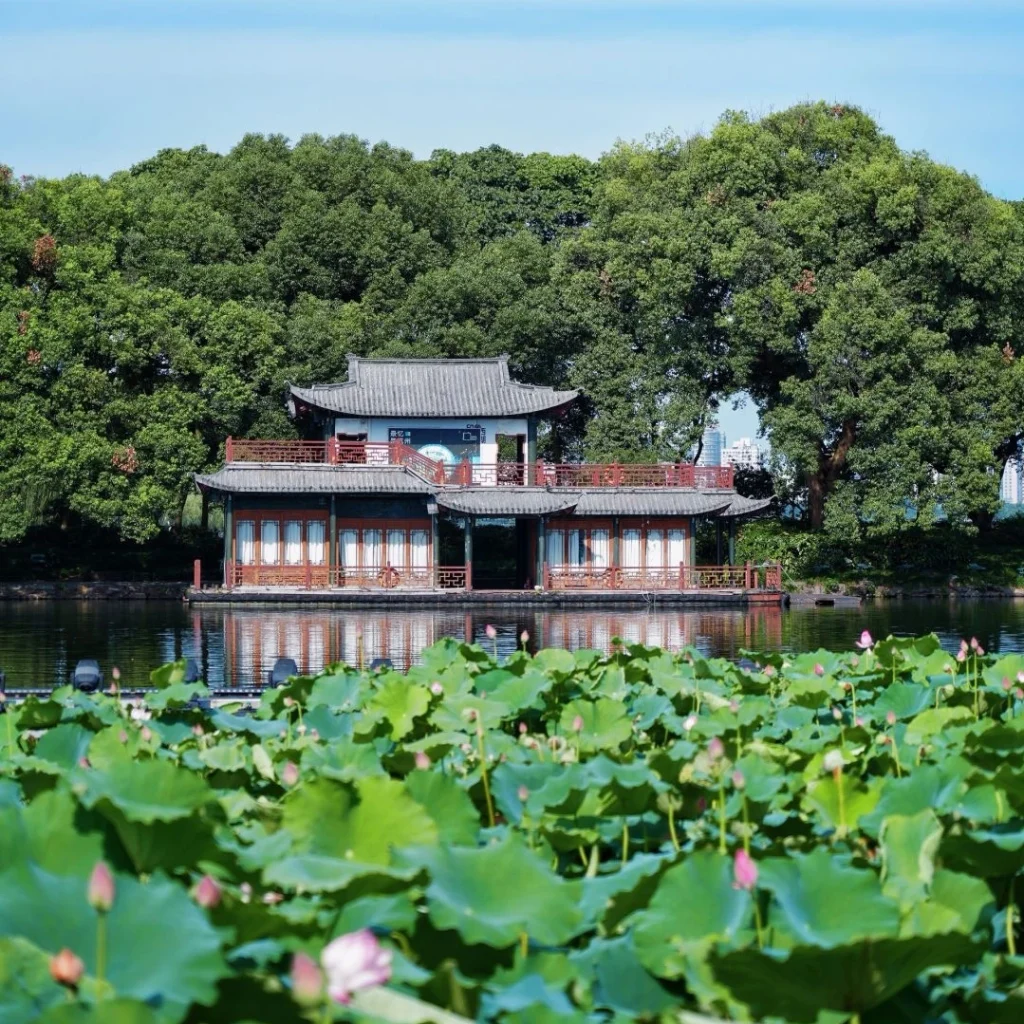
Though warm, summer unveils the lush spectacle of blooming lotus flowers at Quyuan Garden.
Pink petals dance over a sea of green leaves, especially beautiful in early morning or sunset light.
When summer rain hits, watching droplets fall on the lotus from a lakeside pavilion offers pure tranquility. It’s a season of vibrant color and water-kissed air.
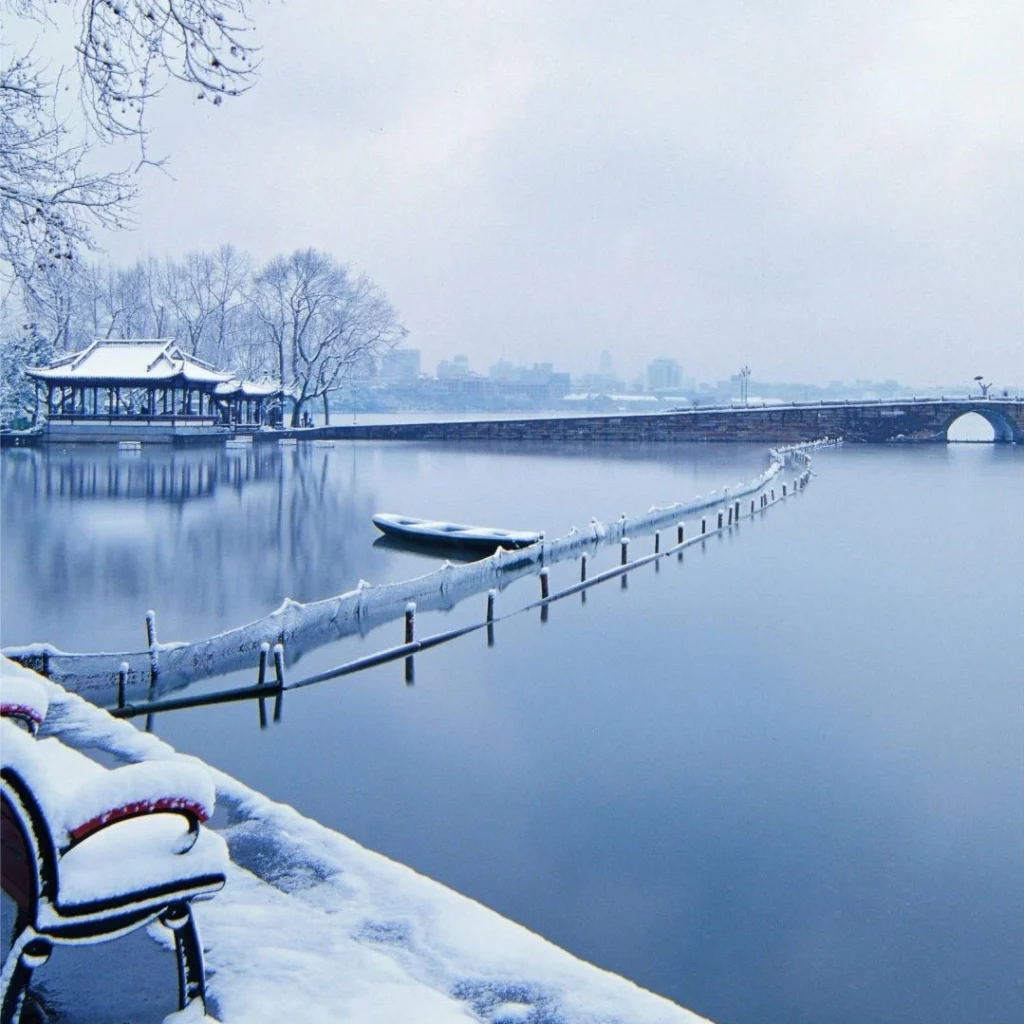
Snowfall is rare in Hangzhou, but when it comes, West Lake transforms into a serene painting.
At Broken Bridge, the sunlit side melts first, making the bridge appear broken—an iconic winter view.
Fewer tourists, peaceful temples, and occasional snow-capped pagodas invite slow reflection.
Warm up with tea in a lakeside café as snow falls beyond the window.
See also: Best Time to Visit China >>>
West Lake follows a “mostly free, partly ticketed” policy—meaning most of the scenic areas are open-access, but certain attractions and boat rides charge fees.
Most iconic West Lake sites are free to explore, including Su Causeway, Bai Causeway, Yang Causeway, Solitary Hill, Quyuan Garden, and landmarks like “Autumn Moon over the Calm Lake” and “Lotus in the Breeze at Crooked Courtyard.”
Lingyin Temple: ¥30 (Requires combined ticket with Feilai Peak area: ¥75 total)
Leifeng Pagoda: ¥40 (Panoramic views of West Lake, especially beautiful at sunset)
Yue Fei Temple: ¥25 (Dedicated to the famous general with rich historical displays)
Wansong Academy: ¥10 (Romantic setting linked to the legend of Liang Shanbo & Zhu Yingtai)
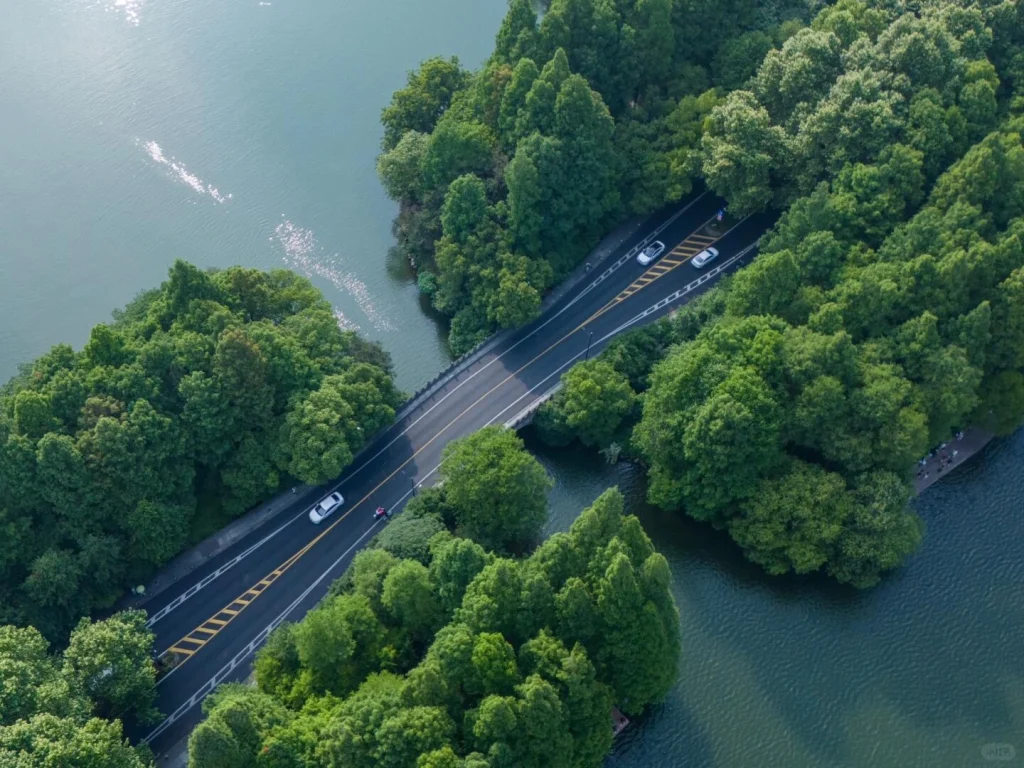
Su Causeway stretches nearly 3 kilometers across West Lake, lined with willow trees and six charming stone bridges.
Built by poet-governor Su Dongpo, it’s most stunning in early spring when peach blossoms bloom and mist lingers.
Walking or cycling here feels like entering a living Chinese painting, with the bridges fading into the smoke-like willows.
As the top scene among the “Ten Views of West Lake,” it captures the gentle energy of spring.
Located at the north end of Su Causeway, this area was once a wine-making site surrounded by lotus ponds.
In summer, thousands of lotus blossoms sway in the breeze, filling the air with sweet floral scents.
Arching bridges lead visitors through the ponds, creating the famous poetic view of “limitless lotus leaves touching the sky.”
It’s a paradise for photographers and nature lovers seeking serenity and seasonal beauty.
Set at the west end of Bai Causeway, this spot is perfect for moonlit evenings.
In autumn, when skies are clear and the moon is full, its silver light glimmers on the lake’s still surface.
Framed by distant hills and nearby pavilions, the view feels magical.
Emperor Kangxi named the scene, and the ancient pavilion and royal inscription still remain, making this one of West Lake’s most romantic and reflective spots.
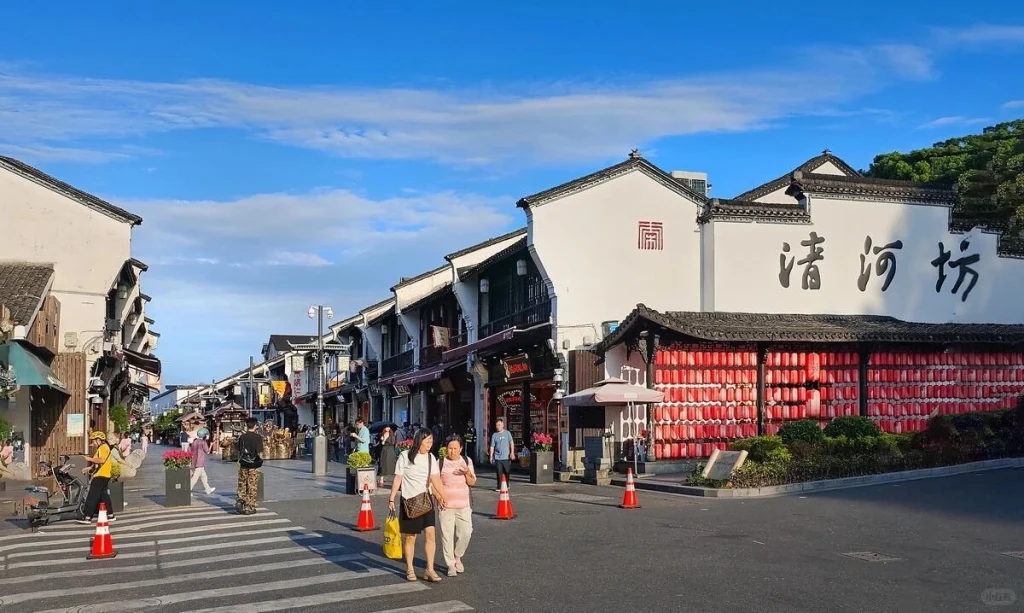
At the eastern end of Bai Causeway lies Broken Bridge, a place steeped in winter beauty and legendary romance.
After snowfall, the sun melts one side of the bridge, creating a stunning contrast of white and dark that gives the illusion of a “broken” span.
This site is also where the love story of Lady White Snake and Xu Xian begins.
In summer, it becomes the perfect starting point for lotus viewing.
Located along the southeastern lakeshore, this park once served as a royal garden in the Southern Song dynasty.
Today, visitors stroll beneath weeping willows as orioles sing overhead, especially vibrant in spring.
The gentle breeze stirs the green branches, creating a tranquil, melodic setting.
With open lawns and layered greenery, it’s a peaceful space to relax, take in lake views, or enjoy a quiet picnic under blooming trees.
Nestled on a peninsula near the southern Su Causeway, this scenic garden features winding paths, seasonal blossoms, and a large red carp pond.
Visitors can watch thousands of vibrant fish swim beneath falling petals.
The peony garden blooms in late spring, adding vivid color and fragrance.
Once a private retreat in the Southern Song era, it now offers peaceful lake views and serene green spaces for all.
Leifeng Pagoda, perched on Sunset Hill, offers sweeping lake views especially stunning at dusk.
Bathed in golden light, the tower glows against the lake and distant hills.
Rebuilt on historic ruins, it blends ancient charm with modern preservation.
Known for the White Snake legend, it draws visitors for both cultural depth and visual drama, especially during golden hour when the sky and water turn amber.
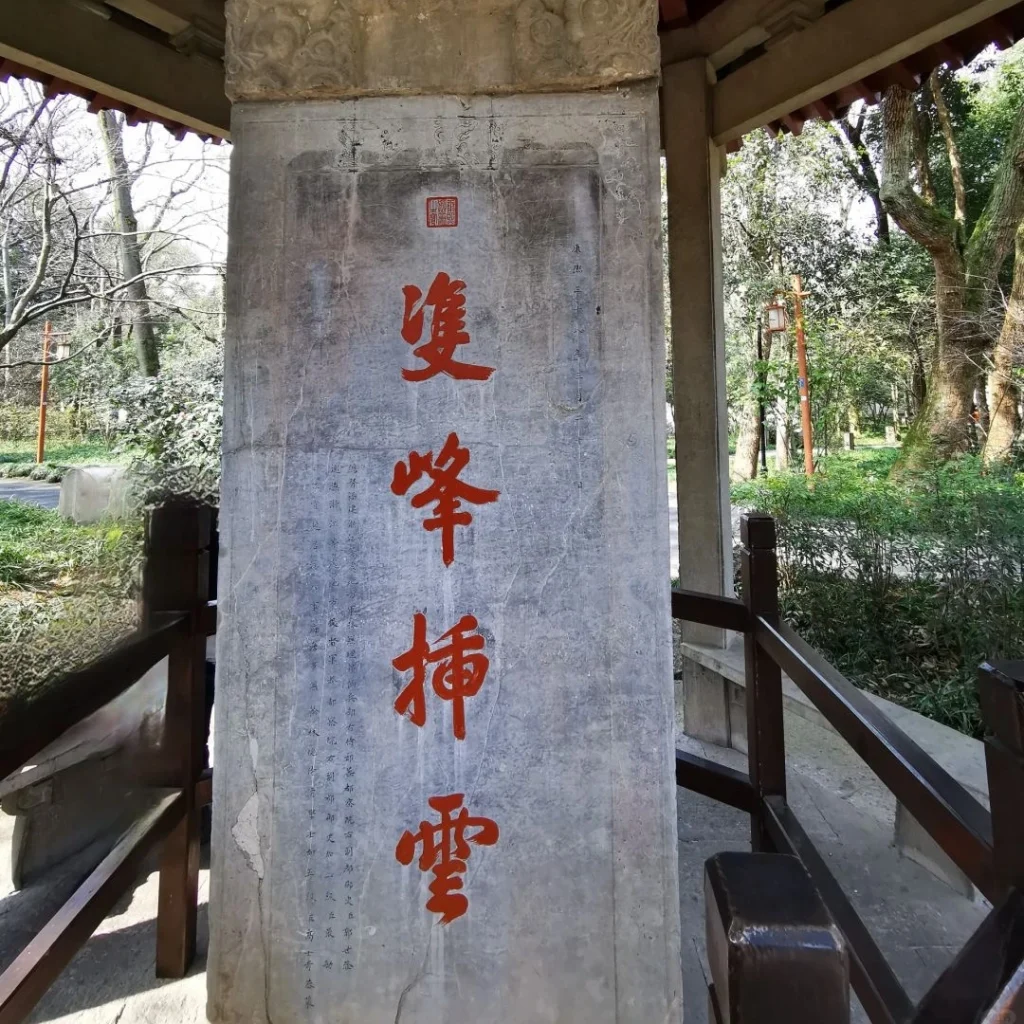
South and North Peaks tower above West Lake’s western hills.
In misty spring or autumn, the twin summits appear to pierce the clouds, creating a mystical silhouette.
Once topped with Buddhist towers, these peaks were revered for their spiritual presence.
Today, they remain a powerful symbol of West Lake’s natural grandeur—especially admired from the Phoenix Hill viewpoint or after rainfall when fog weaves between ridges.
At the foot of Nanping Hill lies Jingci Temple, home to the iconic evening bell.
As twilight settles, the bell’s deep chimes echo through valleys, bringing peace and reflection.
This oldest of the Ten Scenes evokes not just a visual but an auditory experience.
Surrounded by craggy cliffs and pine-shaded paths, the temple remains a tranquil retreat with a thousand-year spiritual legacy.
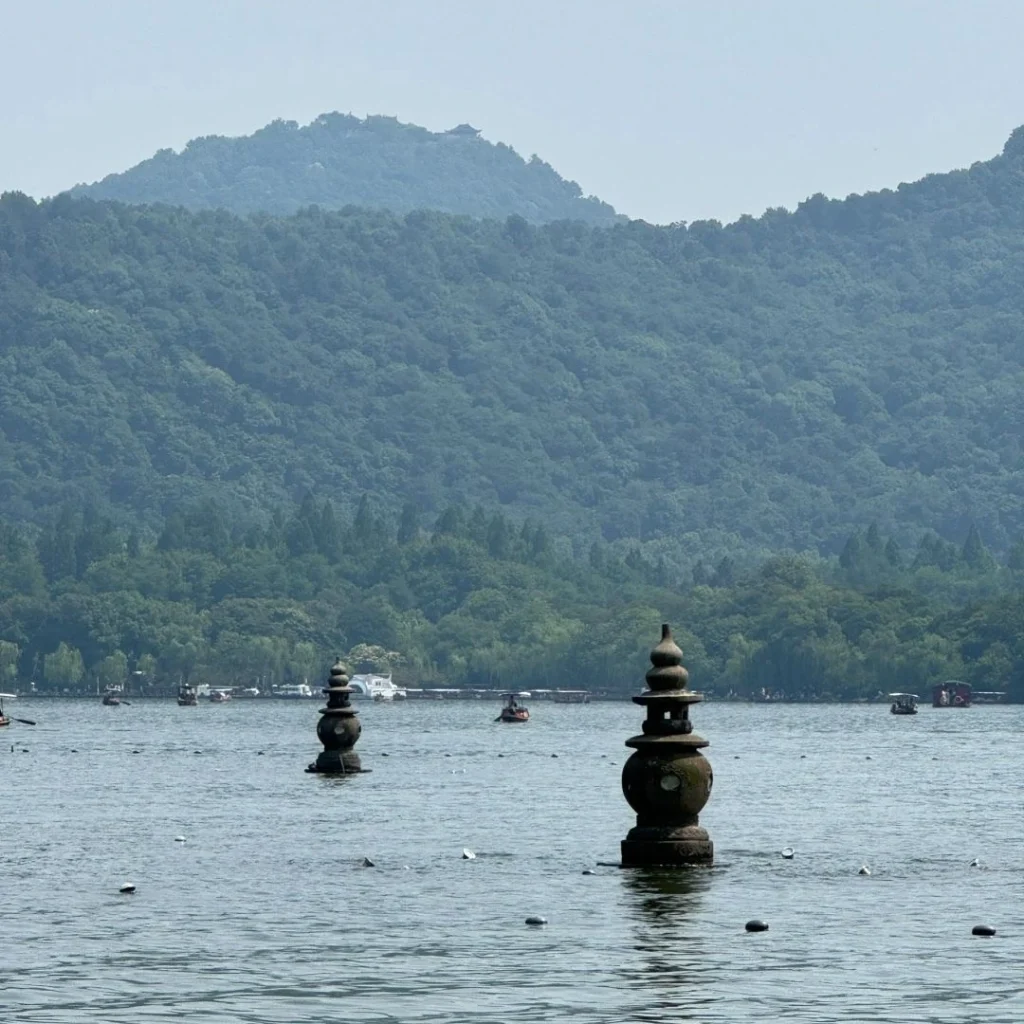
Located in the lake near Xiaoying Island, three ancient stone pagodas rise from the water, forming a triangle.
During Mid-Autumn Festival nights, candlelight glows inside the towers, mimicking moons on the lake’s surface.
This poetic illusion—moonlight, reflections, and lantern glow—creates a dreamlike experience.
It’s the most symbolic spot in West Lake and famously featured on the back of China’s one-yuan note.
Hidden in the misty foothills of Wuyun Mountain, Yunqi is famed for its dense bamboo groves and tranquil atmosphere.
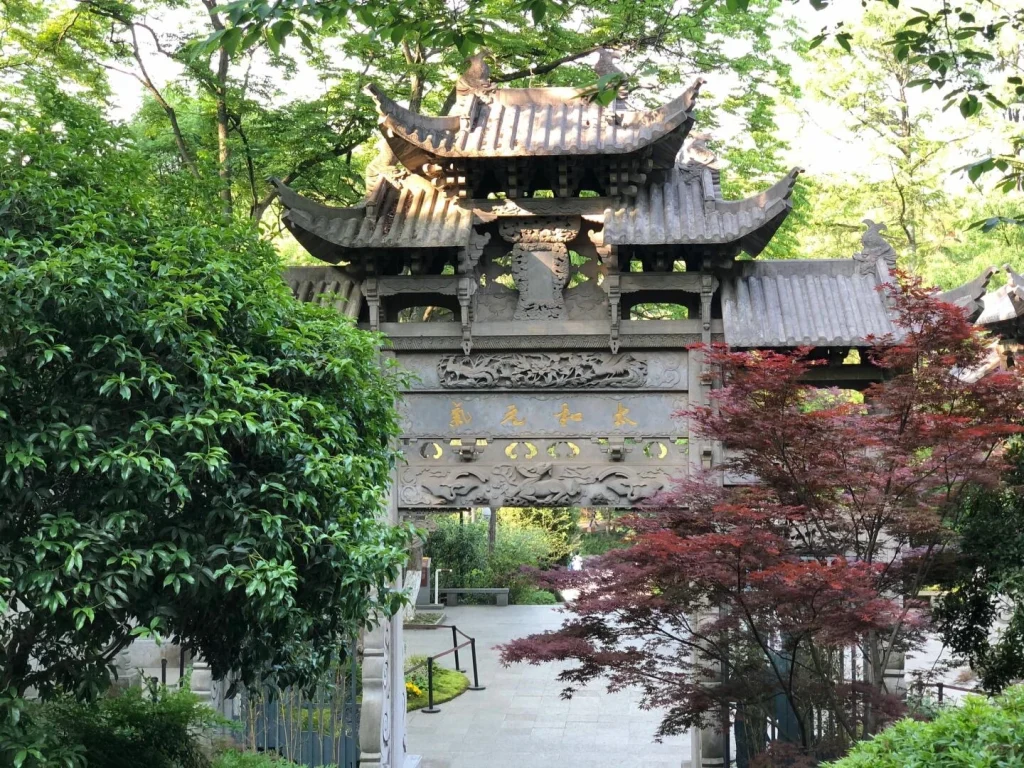
Once favored by emperors Kangxi and Qianlong, the path is lined with ancient pavilions and stone archways.
As the wind rustles through the green leaves, the entire valley becomes a natural orchestra.
It’s a peaceful escape where nature, history, and poetry blend seamlessly.
Each autumn, over 7,000 osmanthus trees bloom across Manjuelong Village, filling the air with sweet fragrance.
As petals drift down like rain, visitors stroll under golden blossoms in a sensory feast.
Once a renowned site for imperial osmanthus appreciation, it now features pavilions and tea houses for modern visitors.
The best time to visit is late September to early October during peak bloom.
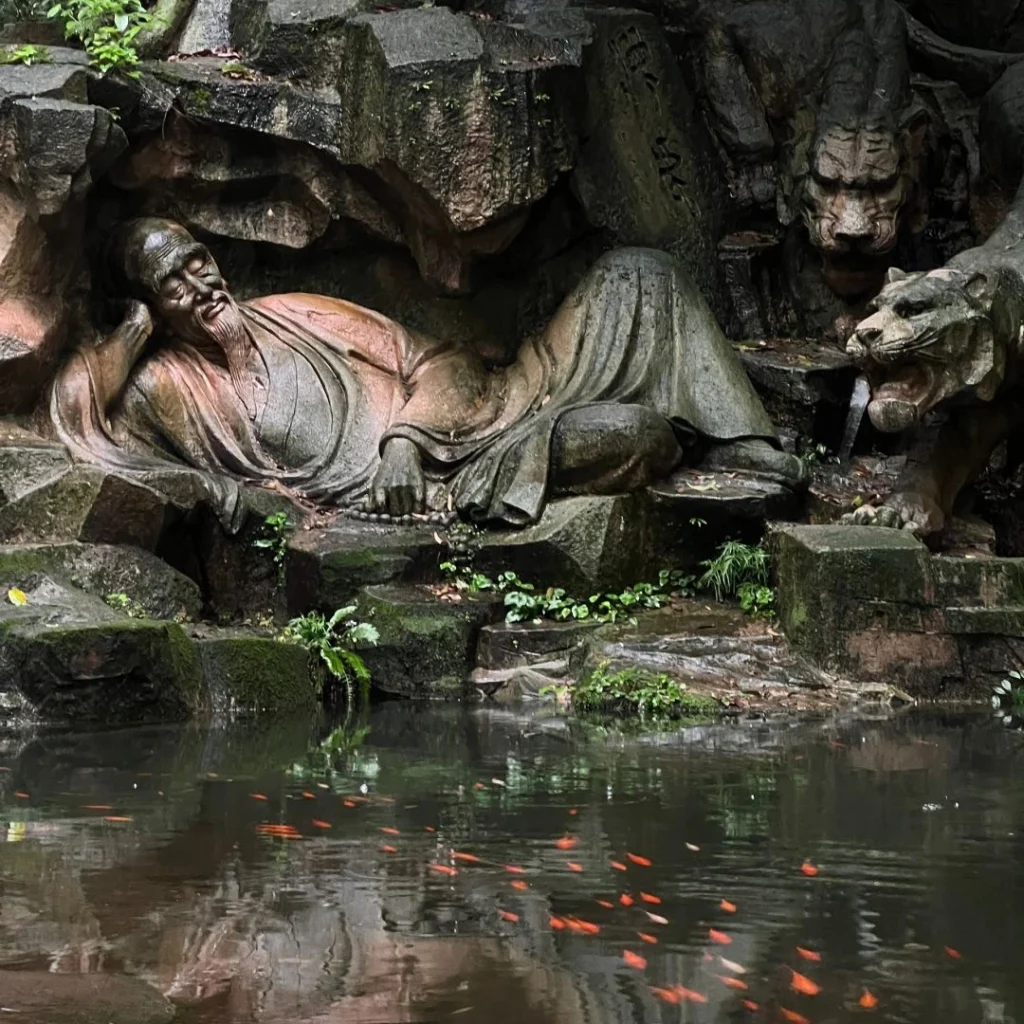
Located at Daci Hill, this spring has been famed since the Tang dynasty.
Legend says two tigers dug the spring after a monk dreamed of divine help.
The water is known for its purity and surface tension—coins float above its rim.
Surrounded by pines and ancient temples, it also honors Master Hongyi with a memorial hall, making it a fusion of spirituality and natural charm.
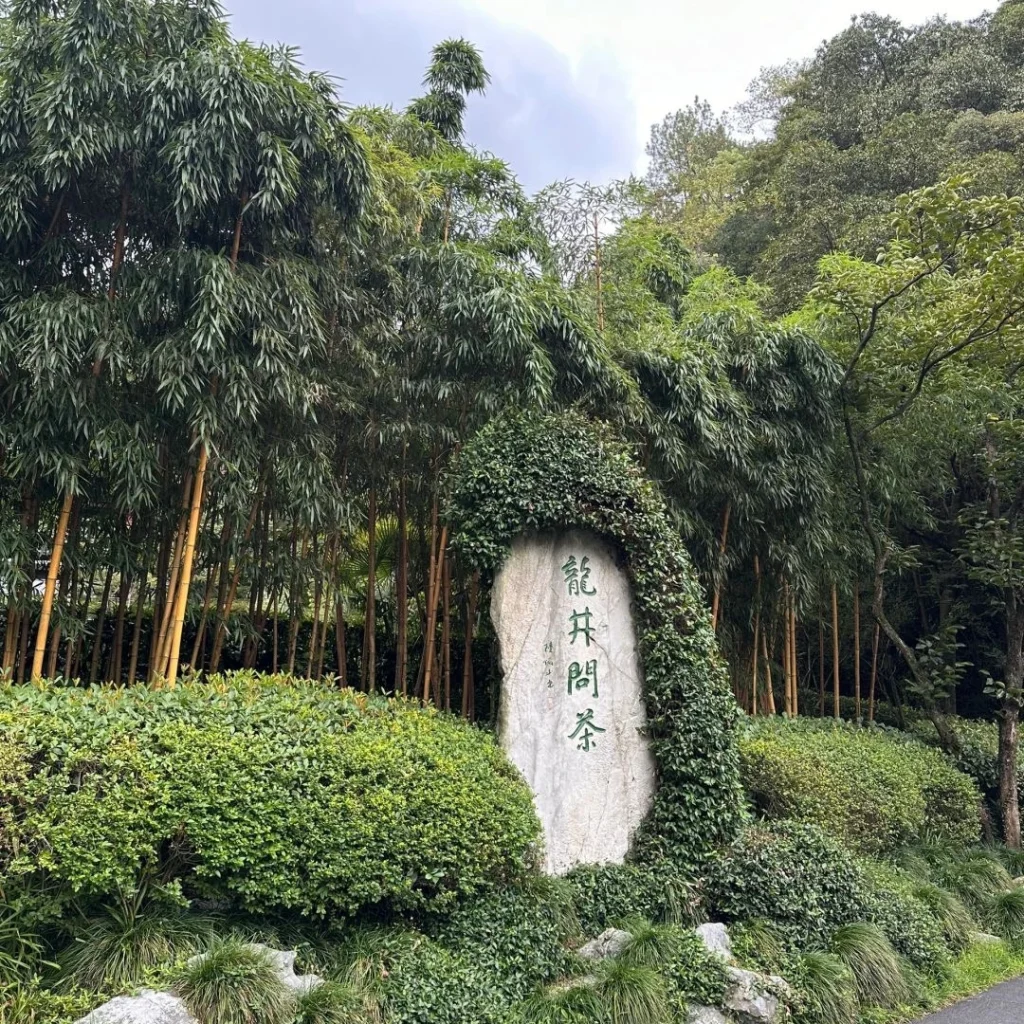
Home to the world-famous Longjing (Dragon Well) tea, this scenic spot combines historic tea fields, a legendary spring, and cultural heritage.
Visitors can watch tea being hand-fired, sip fresh brews, and walk through lush plantations.
The spring’s water enhances the tea’s flavor, earning the area a reputation as one of Hangzhou’s “Twin Wonders” along with the Tiger Spring.
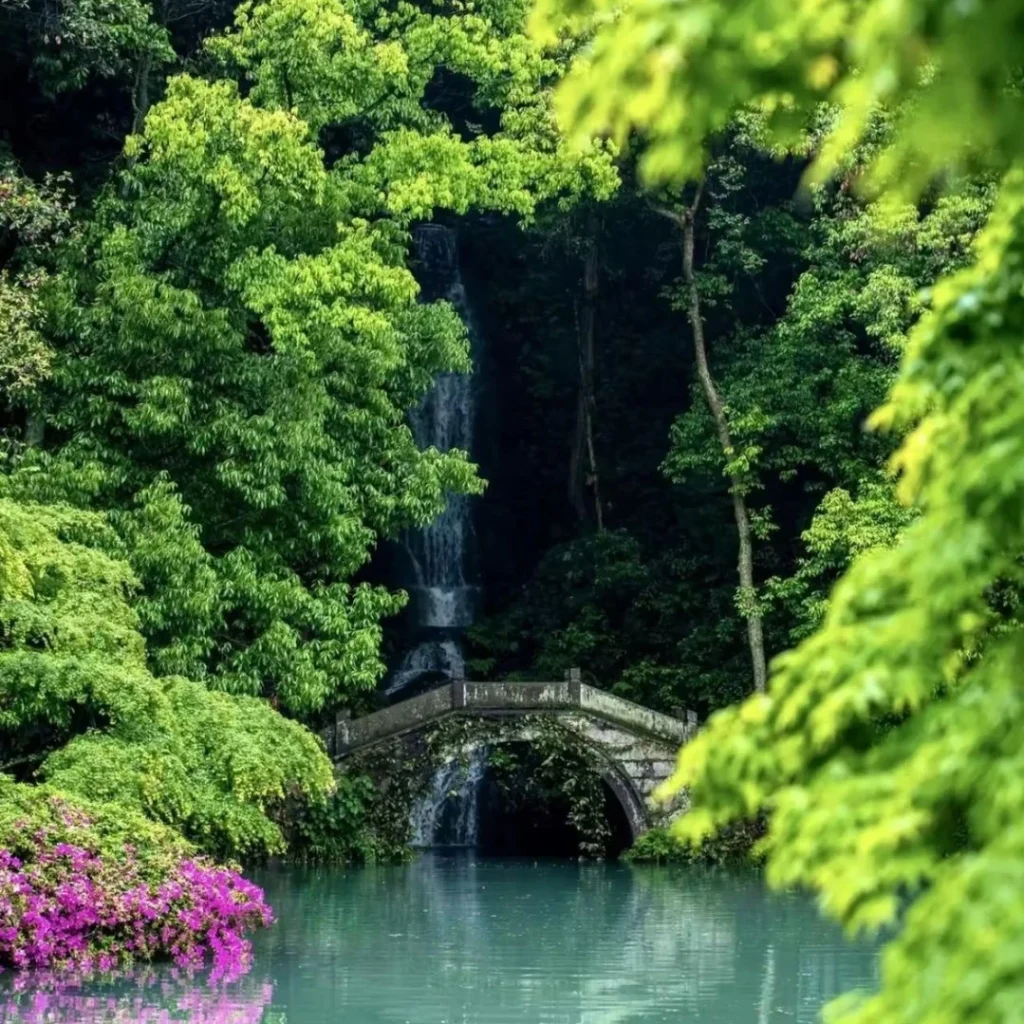
Winding through tea hills and bamboo groves, Nine Creeks is a tranquil hiking trail with murmuring waters and soft mist.
Originating from nine mountain streams, it stretches for 7 kilometers before joining the Qiantang River.
Walking here feels like stepping into a Chinese ink painting, where drifting fog, gurgling brooks, and layered greenery soothe the soul with each step.
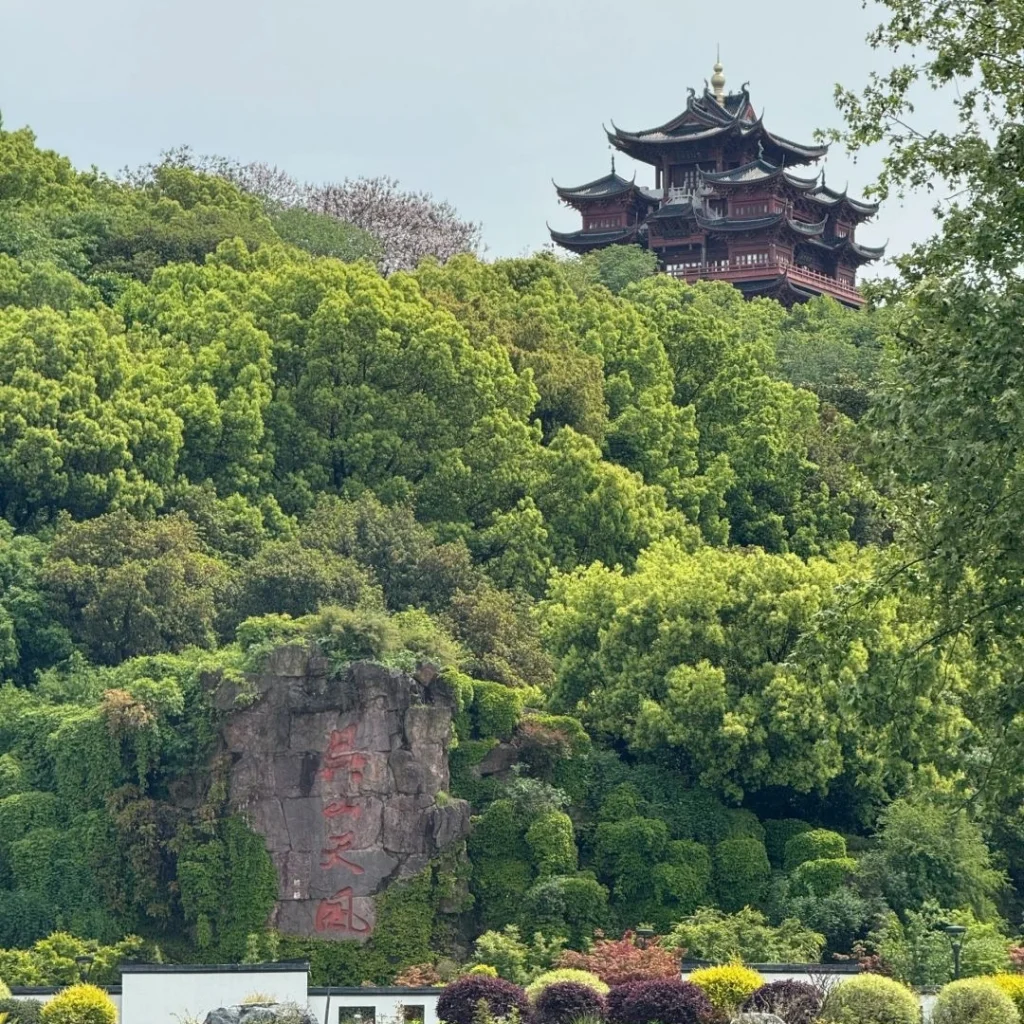
Wushan Hill rises beside the city, offering sweeping views of both West Lake and the Qiantang River.
It’s a cultural gem filled with ancient temples and folk legends.
On breezy days, the wind funnels from lake to hilltop, creating a refreshing atmosphere.
Visitors often climb to tea pavilions like Mingxiang Tower to enjoy the cool air and stunning panorama over Hangzhou’s skyline.
Ruan Dune is a small, tree-covered island nestled within West Lake, formed from dredged silt during the Qing Dynasty.
Encircled by shimmering water, the island feels like a secluded garden paradise.
Traditional-style buildings, bamboo groves, and seasonal flower displays create a peaceful setting.
In summer, cultural events and ancient games revive the poetic charm of old Jiangnan life.
Named after a legendary dragon, this site blends mystical caves and emerald bamboo.
The highlight is the Yellow Dragon Cave, with its crystal-clear spring gushing from a dragon’s mouth into a lotus pond.
The surrounding forest stays lush year-round, while rock formations and hidden temples enrich the scene.
The site also hosts live opera and cultural performances celebrating Zhejiang traditions.
Jade Emperor Hill lies between West Lake and the Qiantang River, standing 239 meters high.
Historically a Taoist sanctuary, it features ancient altars and panoramic platforms.
After rain or in early morning, clouds swirl dramatically around the summit, giving the peak a celestial aura.
From the top, visitors can gaze across Hangzhou, where city, river, and lake meet in harmony.
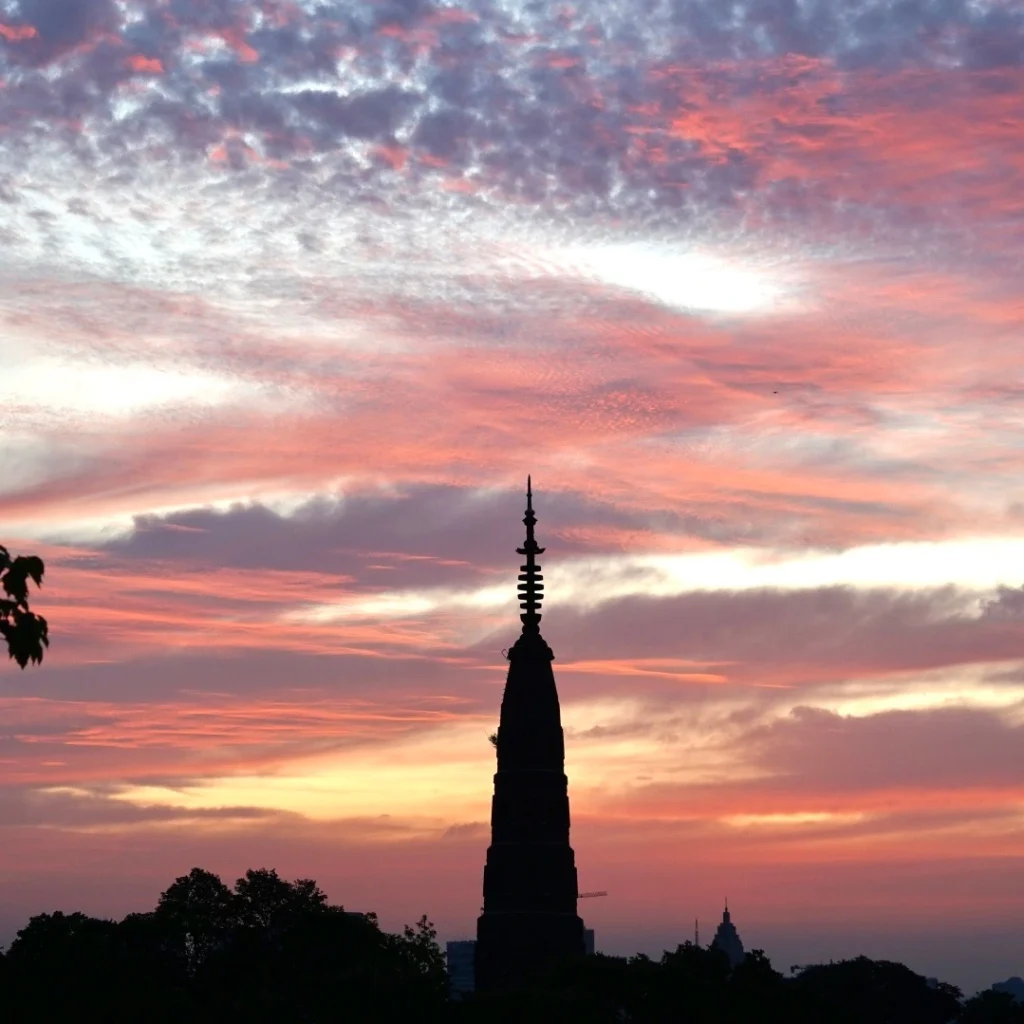
Baochu Hill glows in hues of red at sunset, thanks to its iron-rich volcanic rock.
Topped by the slender Baochu Pagoda—an icon of Hangzhou—the hill provides breathtaking views of West Lake.
When the evening light strikes the stone cliffs, the entire slope lights up like flowing rosy clouds, inspiring poets for centuries. It’s a magical moment best seen at dusk.
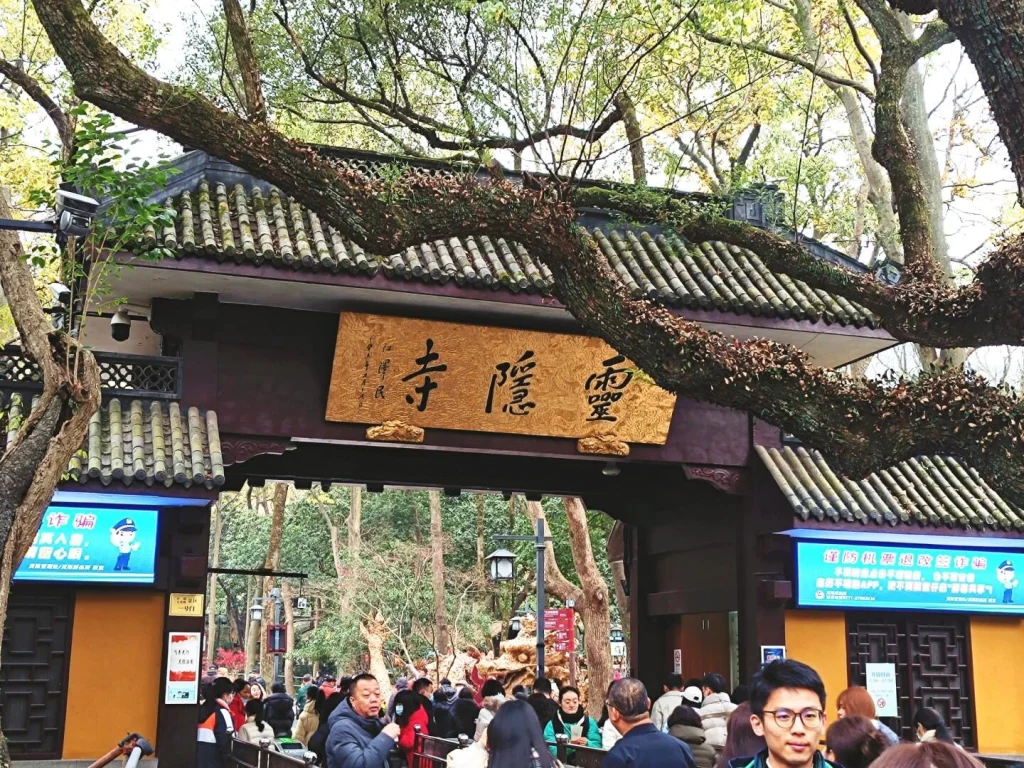
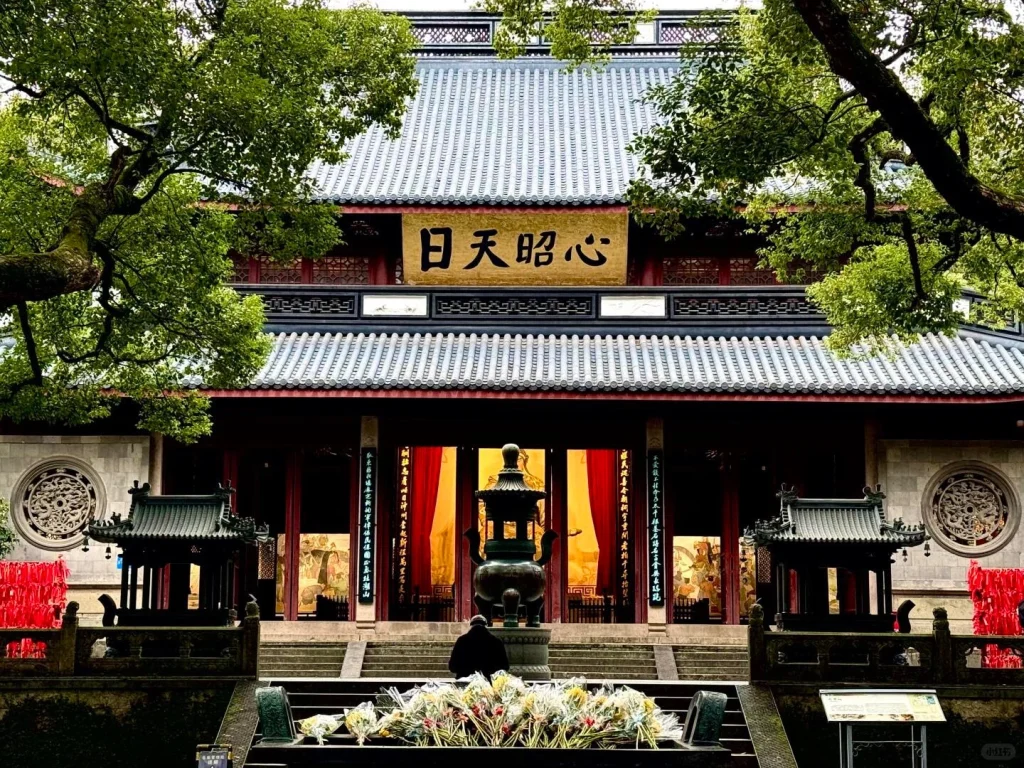
Nestled beneath Feilai Peak, Lingyin Temple is one of China’s oldest Buddhist temples, with over 1,600 years of history.
Its red walls, yellow tiles, and incense-filled halls offer a serene spiritual retreat.
Inside, visitors can admire wooden Buddha statues from the Five Dynasties and Song-era relics.
Outside, the stone carvings at Feilai Peak—especially the smiling Maitreya—are artistic masterpieces.
Explore the mountain first, then the temple, to feel the union of Zen and poetry.
A solemn memorial to the Song dynasty general Yue Fei, this temple honors loyalty and patriotism.
The red gates open to statues, calligraphy, and memorial halls that recount his legacy.
The famous “Jin Zhong Bao Guo” (Utmost loyalty to the nation) shines above his armored statue, while kneeling figures of traitors before his tomb evoke public disdain.
It’s a powerful and emotional lesson in Chinese history—well worth the modest entrance fee.
The largest island in West Lake, Solitary Hill is a cultural sanctuary blending art, history, and scenic beauty.
Open to all for free, it hosts treasures like the Xiling Seal Art Society—China’s top seal engraving institution—and the Zhejiang Museum, which showcases jade from Liangzhu and celadon from Yue kilns.
In winter, plum blossoms bloom near the Crane Pavilion, filling the air with subtle fragrance.
From the summit, enjoy panoramic lake views and rich literary heritage.
Quieter than Su Causeway, Yang Causeway offers poetic charm and natural serenity.
Built in the Ming dynasty, it spans six bridges across West Inner Lake, flanked by water firs and plane trees.
In autumn, golden leaves create a dreamlike cycling path.
Nearby Turtle Pond and Bathe Goose Bay feature lotus remains, reeds, and arched bridges—perfect for escaping crowds and savoring West Lake’s tranquil side.
Tucked in the hills south of West Lake, Wansong Academy was once Zhejiang’s top Confucian institution.
Scholars like Zhu Xi and Wang Yangming taught here, and its romantic legacy comes from the legend of Liang Shanbo and Zhu Yingtai.
Stroll through Mingdao Hall and Dacheng Palace to absorb the scholarly spirit, then hike behind the academy for sweeping views of the Qiantang River—a tribute to the Confucian ideal of knowledge and exploration.
Whether you’re a fast-paced traveler or a slow wanderer, West Lake adapts beautifully.
One day is enough for the highlights; two days offer a deeper cultural and scenic experience.
Or, take your time and add immersive activities for a more memorable journey.
Route: Broken Bridge → Bai Causeway → Autumn Moon over the Calm Lake → Solitary Hill → Xiling Bridge → Lotus in the Breeze at Crooked Courtyard → Su Causeway → Viewing Fish at Flower Harbor → Leifeng Pagoda
Distance: ~8–10 km; start before 8 AM to avoid crowds.
Start at Broken Bridge in the quiet morning light for iconic views of Baoshu Pagoda.
Stroll along Bai Causeway, shaded by willow trees and peach blossoms.
At Solitary Hill, explore Xiling Seal Art Society and Zhejiang Museum, then grab a bite of Dongpo Pork from Louwailou.
Ride or walk to Crooked Courtyard, where summer lotus blooms and winter reeds create seasonal beauty.
Continue to Su Causeway, walk its most scenic 1 km stretch, then visit Flower Harbor to feed red carp and admire peonies.
End at Leifeng Pagoda for a sunset panorama: West Lake sparkles beneath you, with green causeways and islets outlined in golden light.
Follow the same scenic route as the classic tour but at a slower pace—spend more time at Solitary Hill’s art halls or linger longer by the lake.
At night, catch the West Lake Music Fountain (7:00 & 8:00 PM) at Lakeside Park.
Enjoy dancing water synced to lights and music with Baoshu Pagoda in the background.
Then stroll the lakefront, sip Longjing tea at a lakeside café, and watch boats gliding through the reflections.
Morning: Visit Lingyin Temple, starting with the stone carvings of Feilai Peak, then enter the incense-filled halls of the temple itself.
Midday: Head to Longjing Village for a farm-style lunch and tea tasting. Sip fresh Longjing while overlooking terraced tea fields and watching villagers harvest leaves.
Afternoon: Explore Nine Creeks and Misty Trees. A gentle 3 km hike takes you through misty forests and along babbling streams. End at a waterfall—perfect for nature photos or quiet reflection.
Rent a shared bike and follow the route: Children’s Palace → Bai Causeway → Su Causeway → Yang Causeway → Quyuan Garden.
Yang Causeway is a hidden gem, quiet and tree-lined. Stop at the photogenic Wolong Bridge and Yinxiu Bridge.
Tip: Bai Causeway may be walking-only; push your bike as needed. Ride Yang Causeway near sunset for magical golden light through the trees.
Take a boat to Three Pools Mirroring the Moon island.
Choose a leisure boat or ornate painted boat.
After wandering the zigzag bridges and pavilions, disembark at Flower Harbor or Fifth Park to continue exploring or enjoy dinner lakeside.
Elegant version: Sit by the lake at Louwailou, sip premium Lion’s Peak Longjing with West Lake Vinegar Fish and a view.
Casual version: Head to Weizhuang (by Yang Causeway) for ¥10 tea and sweet rice cakes—local vibes, great value.
Off-the-beaten-path: Visit the teahouse near Du Jinsheng’s former residence in Maojiabu, a peaceful retreat with lake views and drifting ducks.
Hangzhou’s charm isn’t just in its scenic lakes and ancient temples—it’s also in every bite.
From century-old restaurants to humble street stalls, the city serves up authentic Hangzhou cuisine (Hangbang Cai) and local snacks that are rich in flavor, history, and emotion.
Founded in 1848 near Solitary Hill, Louwailou is a culinary icon and top choice for tasting West Lake delicacies:
West Lake Vinegar Fish: Fresh grass carp delicately poached and glazed with a tangy-sweet sauce. Tender, almost boneless flesh and a signature vinegar aroma.
Dongpo Pork: Braised pork belly simmered in Shaoxing wine, melt-in-your-mouth soft, rich yet never greasy.
Longjing Shrimp: River shrimp stir-fried with fresh Dragon Well green tea leaves—light, crisp, and fragrant.
💰 Price: ¥150–¥200 per person. A bit upscale, but worth the splurge.
Operating since 1913, this time-honored brand is beloved for its flavors and fair prices. Visit the Lakeside branch for a meal with a view.
Crab Roe Soup Dumplings (蟹黄汤包): Delicate skin, juicy fillings of crab, pork, and rich broth—sip first, then bite.
Cat’s Ear Noodles (猫耳朵): Dough pinched into “cat ear” shapes and simmered with shrimp, mushrooms, and chicken broth.
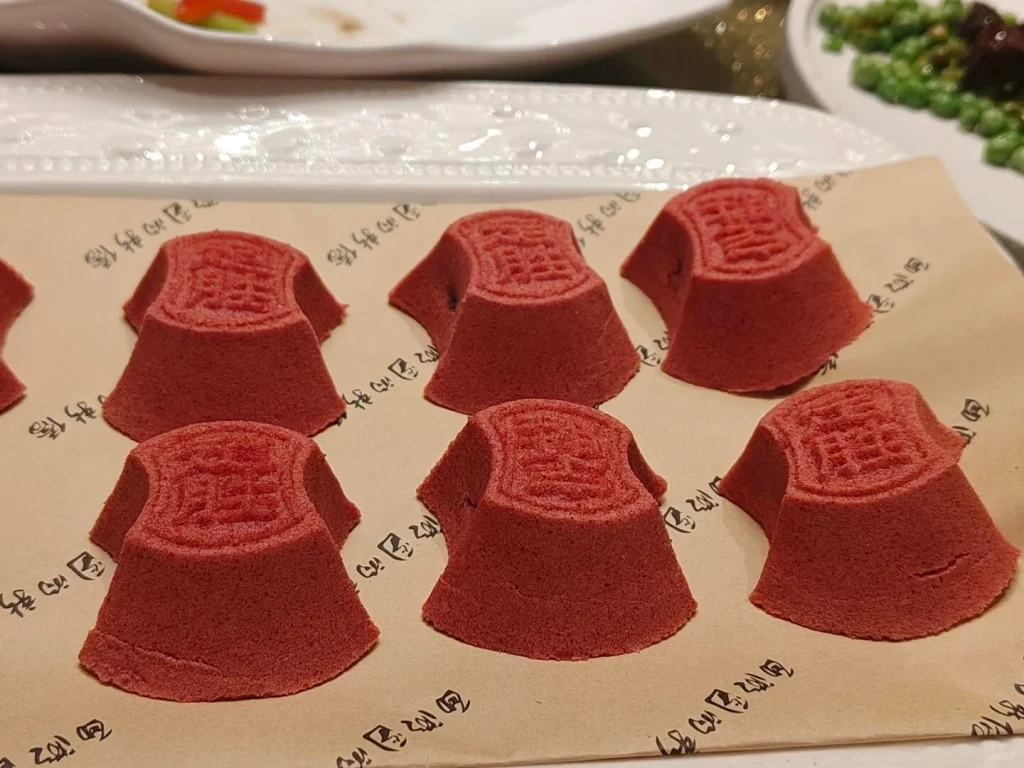
Dingsheng Cake (定胜糕): A pink glutinous rice cake filled with sweet bean paste—soft, sweet, and symbolic of victory.
💰 Price: ¥150–¥200 per person. Delicious and great value.
Now a national chain, this restaurant began as a small eatery near West Lake in 1998.
Tea-Smoked Chicken: Marinated in Longjing tea and roasted until crispy on the outside, juicy inside.
Grandma’s Braised Pork: Large cuts of pork belly, slow-cooked with quail eggs in a savory-sweet sauce.
💡 Expect queues—use mobile apps to reserve.
💰 Price: ¥50–¥100 per person.
A beloved street snack made by wrapping crispy fried dough and scallions in a thin wheat pancake, brushed with sweet bean sauce and grilled.
Crunchy, salty, sweet—and only ¥3–¥5 each. Perfect for munching while strolling the streets.
Sold around scenic areas, this festive rice cake features soft mochi-like skin and fragrant bean paste.
Steamed to perfection, it’s both a treat and a symbol of good luck.
Made from local lotus roots, this powdered dessert transforms into a smooth, translucent jelly when mixed with hot water.
Often sweetened with osmanthus syrup, it’s fragrant, soothing, and great as a gift.
🎁 Price: ¥20–¥50 per box, depending on quality.
Right next to West Lake, this area is lined with top restaurants and cafés. Try:
Zhiweiguan Lakeside Branch – local dishes with lake views
🎶 After dinner, walk along the lakefront and catch the music fountain show.
A famous pedestrian street with a traditional Chinese vibe. Try:
Cong Bao Hui & Wushan Butter Cakes: flaky, buttery street snacks
Sugar Painting: edible art made from molten sugar
🛍️ You’ll also find souvenirs like silk, fans, and Longjing tea.
Hidden in the green hills, this village is the heart of Hangzhou’s tea culture.
Fresh Longjing Tea – watch it harvested, roasted, and brewed on-site
Seasonal Dishes – like stir-fried bamboo shoots and farm-raised chicken soup
💰 Price: ¥80–¥120 per person. Peaceful surroundings, fresh ingredients, and warm hospitality included.
Whether you’re arriving from downtown Hangzhou or planning to circle the lake at your own pace, West Lake offers a range of transport options to suit every style—from efficient subways to scenic boat rides.
Hangzhou’s metro system is the easiest way to reach the lake quickly and comfortably:
Line 1 – Longxiangqiao Station: Just a few minutes’ walk to the Lakeside area, this is the eastern gateway to West Lake. Perfect for visiting Broken Bridge, Hubin Yintai shopping mall, and other central attractions.
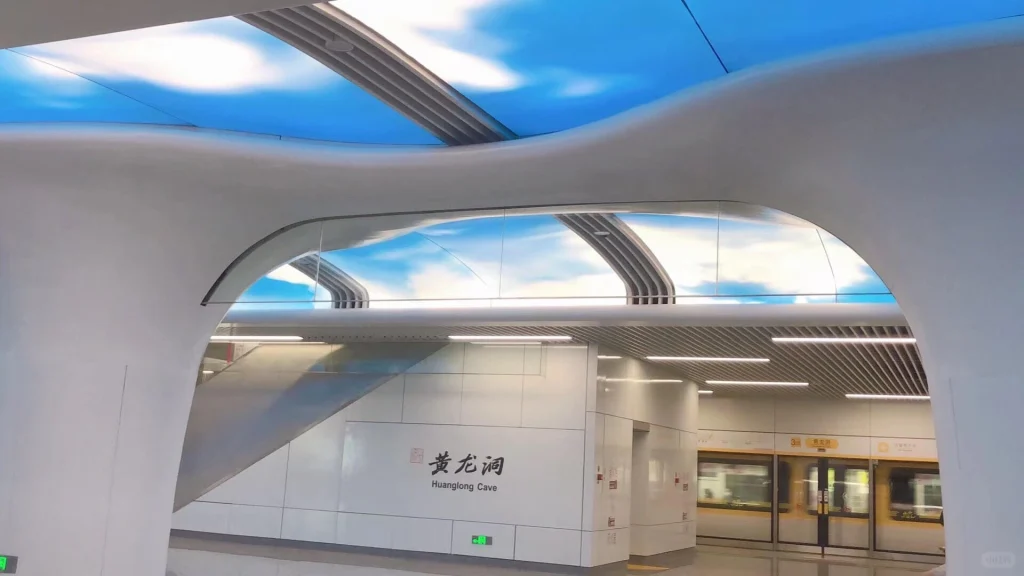
Line 3 – Huanglongdong Station: Ideal for reaching the western lake area, including Yue Fei Temple and Quyuan Garden. From here, rent a bike or transfer to a local bus to explore nearby sights.
Line 7 – Wushan Square Station: Right next to Hefang Street, this station puts you steps away from historic blocks, Wushan Hill, and Orioles Singing in the Willows.
Hangzhou’s extensive bus system offers both convenience and charm. Perfect for enjoying city life as you travel:
Bus No. 7: Direct to Broken Bridge, passing classic lakeside scenery including Hubin, Bai Causeway, and more. Sit by the window and watch willows sway in the breeze.
Bus No. 51 (Lake Loop): Dubbed the “Mobile Scenic Deck,” this clockwise loop bus circles West Lake, stopping at major sights like Qingbo Gate, Chang Bridge, Jingsi Temple, and Su Causeway.
💡 Scan with the Alipay app’s “Hangzhou Bus QR Code” to board easily.
These scenic loop buses circle West Lake clockwise (51) and counter-clockwise (52), stopping on request.
💰 Fare: ¥5 per ride
🕒 Hours: 8:00–18:30 (check real-time info at stops)
Great for travelers who prefer a low-energy, hop-on-hop-off tour while enjoying air-conditioned comfort and lakeside views.
Ride through shaded paths along Yang Causeway and Su Causeway, where dappled sunlight filters through trees and ripples dance on the lake.
🚫 Note: Bai Causeway prohibits riding in parts—watch for signage and walk your bike where needed.
💰 Cost: ¥2 per 20 minutes
⚠️ Always check brakes and wear a helmet for safety.
West Lake offers a wide variety of boats—prices and experiences vary by route and vessel type.
Here’s how to pick the one that suits your needs:
Island Cruise to Three Pools Mirroring the Moon (Must-Do!)
Includes round-trip fare + entrance to Xiaoying Island, featured on the 1-yuan banknote.
Standard Boat: ¥55/person
Board from scenic docks like Huagang, Yue Temple, or Zhongshan Park. Affordable and practical.
Luxury Boat: ¥70/person
Board from city-access docks like Wugongyuan or Youth Palace. Features open decks and better views for photography.
Tip: Your return trip can use either boat type, regardless of your outbound ticket.
Lake Cruises (No Island Stop, Just Sightseeing)
Dragon or Phoenix Boat: ¥90/person
Top-tier boats with complimentary souvenirs; suitable for daytime or night cruises. No stops—returns to original dock.
Classic White Cruise Boat: ¥50/person
Simpler version of the dragon boat, better value, similar 1-hour loop.
Water Bus: ¥6–8 per stop (approx. ¥70 full route)
Stops at 10 scenic docks. Great for DIY routes combining boat + walking. Departs every ~30 minutes.
Hand-Rowed or Paddled Boat (Hidden Gems Access)
Rowboat (max 6 ppl): ¥150/hour
Sculling boat (max 10 ppl): ¥180/hour
Navigate quiet inlets like Maojiabu or Yuhu Bay where big boats can’t go. Best for peaceful escapes.
📝 If stopping at Xiaoying Island, your boat ticket includes island entry. Boatman wait time counts toward total fare—plan for 2–3 hours.
4. Self-Drive or Paddle Boats (Great for Families)
Electric boat (max 4 ppl): ¥30/half-hour
Safe and fun for families; restricted to calmer areas like North Inner Lake.
Manual paddle boat: ¥30/hour
Good for casual rowing. Not island-capable. Requires light effort—ideal for couples or younger travelers.
Practical Tips
Operating Hours: Most boats run 8:00–18:00 (may close earlier in winter). Check with dock staff for last departures, especially for island return trips.
Ask Before Boarding: Confirm whether the boat includes an island visit or mid-route stops to avoid surprises.
Avoid Peak Queues: Arrive before 8:00 a.m. or after 3:00 p.m., or board at less-crowded docks like Huagang or Yue Temple to skip long lines.
Some restaurants serve this iconic dish using frozen fish, compromising the flavor. For a truly authentic experience, try Lou Wai Lou or Zhi Wei Guan. While pricier, they use fresh ingredients and proper techniques that honor the dish’s legacy.
Vendors near Lingyin Temple may try to sell you incense sticks. Don’t be fooled—the temple offers three incense sticks for free to all visitors. No need to spend extra before entering.
Tricycle rides around West Lake often start at ¥100 or more, far above reasonable rates. Instead, rent a shared bike or take the loop bus for a more scenic, cost-effective ride.
West Lake is renowned for its picturesque beauty, historical significance, and poetic landscapes, often celebrated in Chinese literature, art, and as a symbol of paradise on earth.
The best times are spring (March to May) and autumn (September to November), when the weather is mild, and the scenic views, especially the flowers and foliage, are stunning.
Popular spots include Broken Bridge, Su Causeway, and Leifeng Pagoda. Each offers unique views of the lake and surrounding mountains, capturing the essence of West Lake’s beauty.
Yes, boat rides are available, providing a serene way to experience the lake’s beauty from the water, with views of famous landmarks and reflections of willow trees.
A full loop around West Lake takes about 3-4 hours on foot, but you can also choose shorter sections or rent bikes for a quicker tour.

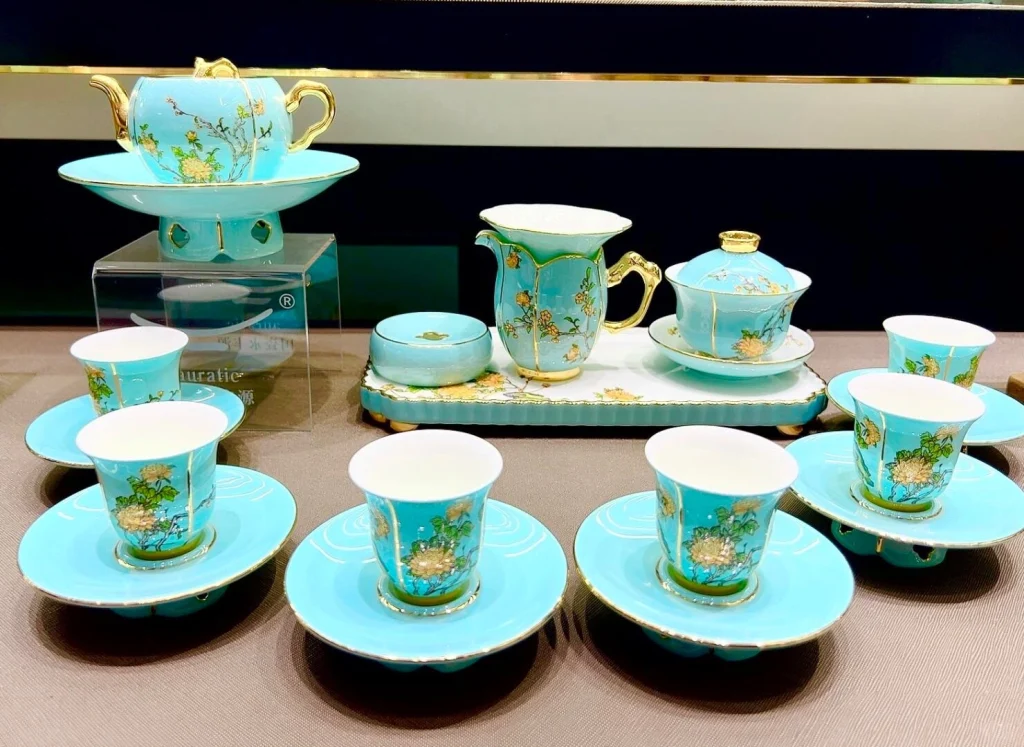
Explore exquisite Chinese porcelain: ancient craftsmanship from blue‑and‑white wares to famille rose, combining artistry, history, and cultural elegance.

A comprehensive 2026 zodiac forecast for people born in 1983, covering career, wealth, relationships, health, and practical guidance for steady progress.

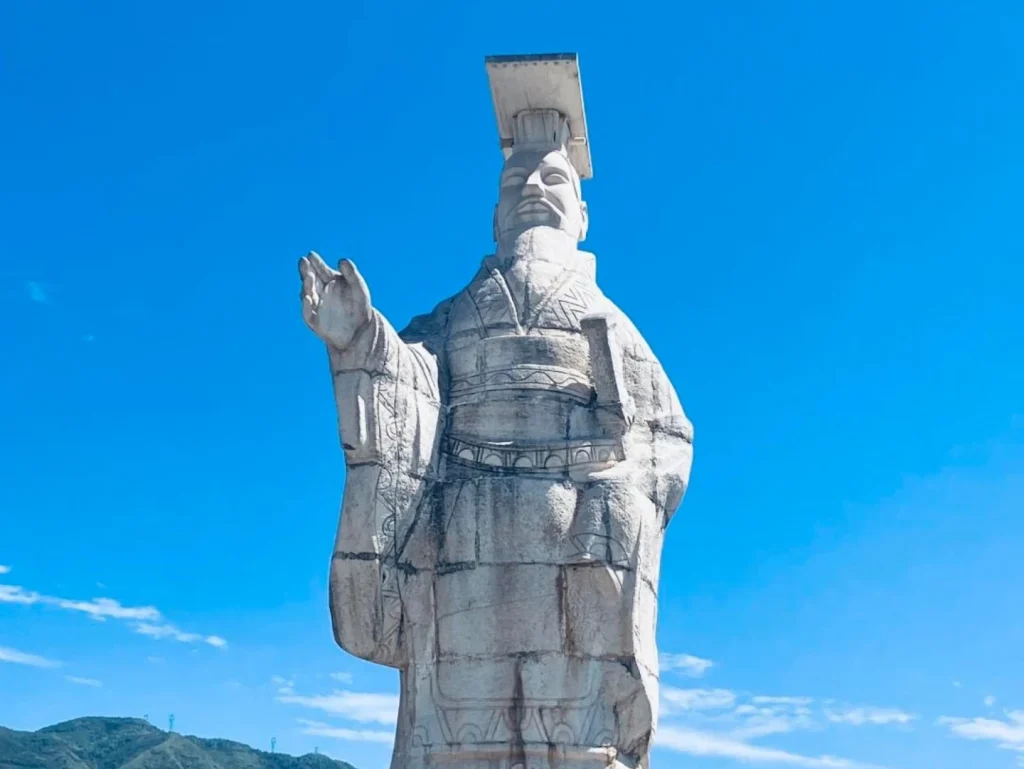
The first emperor of China was Qin Shi Huang (Ying Zheng), who unified the six warring states in 221 BCE and created the title “Huangdi” (Emperor), establishing the Qin Dynasty and China’s first centralized imperial regime.

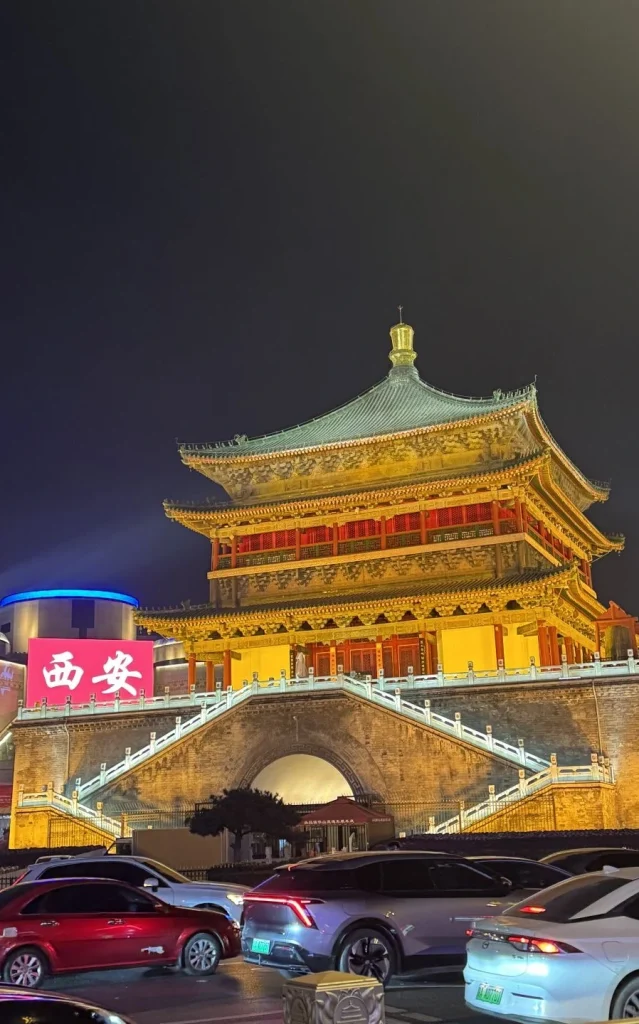
Learn how to get to Beijing by flight, high-speed train, regular train, bus, or car, with airport transfers, ticket tips, costs, and arrival mistakes to avoid.

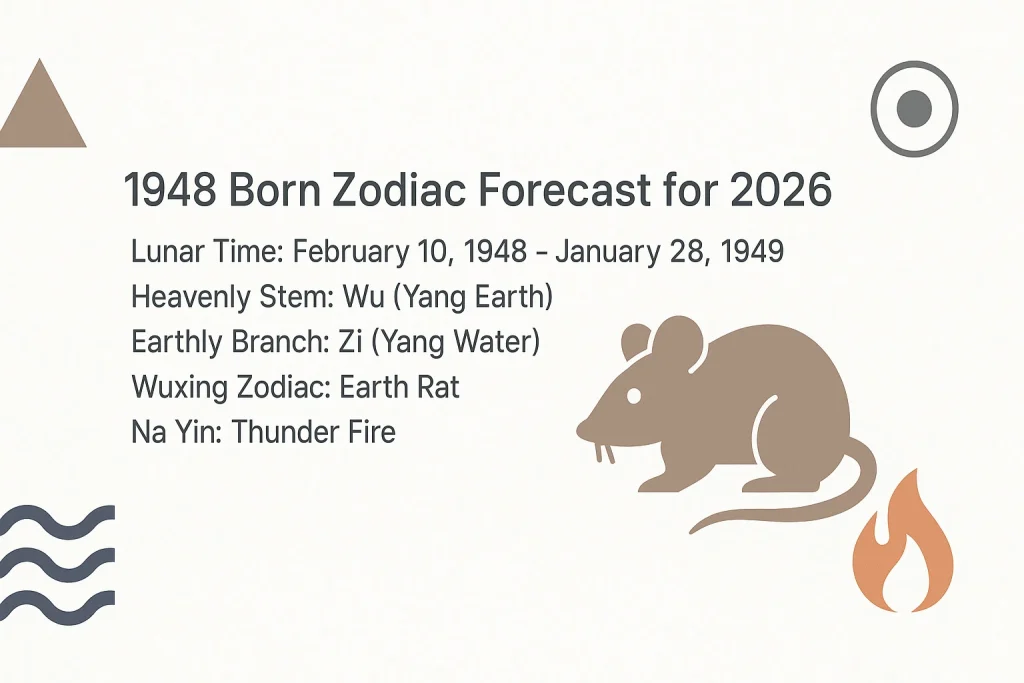
A clear and structured 2026 forecast for people born in 1948, covering career, wealth, relationships, health, and practical guidance for a steady and safe year.

Mooncakes taste sweet or savory, depending on the filling. Traditional types use lotus seed paste, egg yolk, nuts, or red bean. New versions include lava custard or chocolate.
Share your travel ideas, and we’ll help you plan a smooth, personalized trip across China.
We’re looking for experienced, part-time local guides to serve international travelers.
Requirements:
• Fluent in at least one foreign language
• 3–5 years guiding international visitors
• Able to operate in multiple regions in China
• Competitive and reasonable pricing
• Proven customer reviews or testimonials
• Professional, reliable, and responsive
• Flexible availability for custom trips
Hi there!
Just a quick heads-up — a helpful user named Volker let me know that some of the non-English content on this site may not be accurate.
This site is a one-person project I run part-time. I research and publish all the content myself, and the translations are currently done by machine (Google Translate). Balancing accuracy and accessibility across multiple languages is a real challenge.
If you spot any errors, I recommend switching to the English version using the button at the bottom left. I’ll continue working to improve the translations over time.
I truly appreciate your understanding. And if you have any suggestions, feel free to leave a comment — it means a lot to me.
— Anthony 2025.6.18