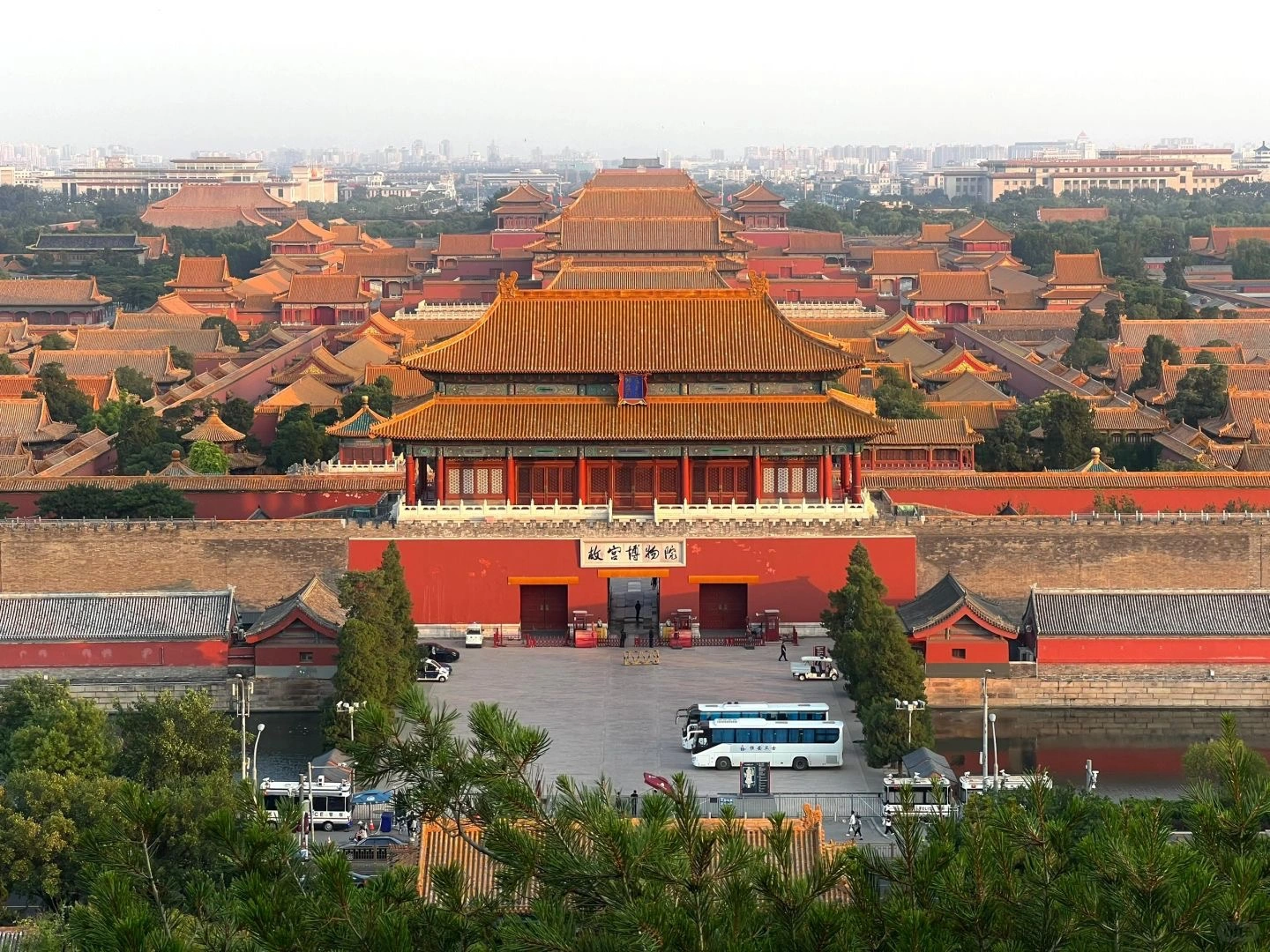

The Forbidden City is named for being the emperor’s exclusive domain, symbolizing divine authority, and functioning as a self-contained city.
What Does “Forbidden City” Mean?
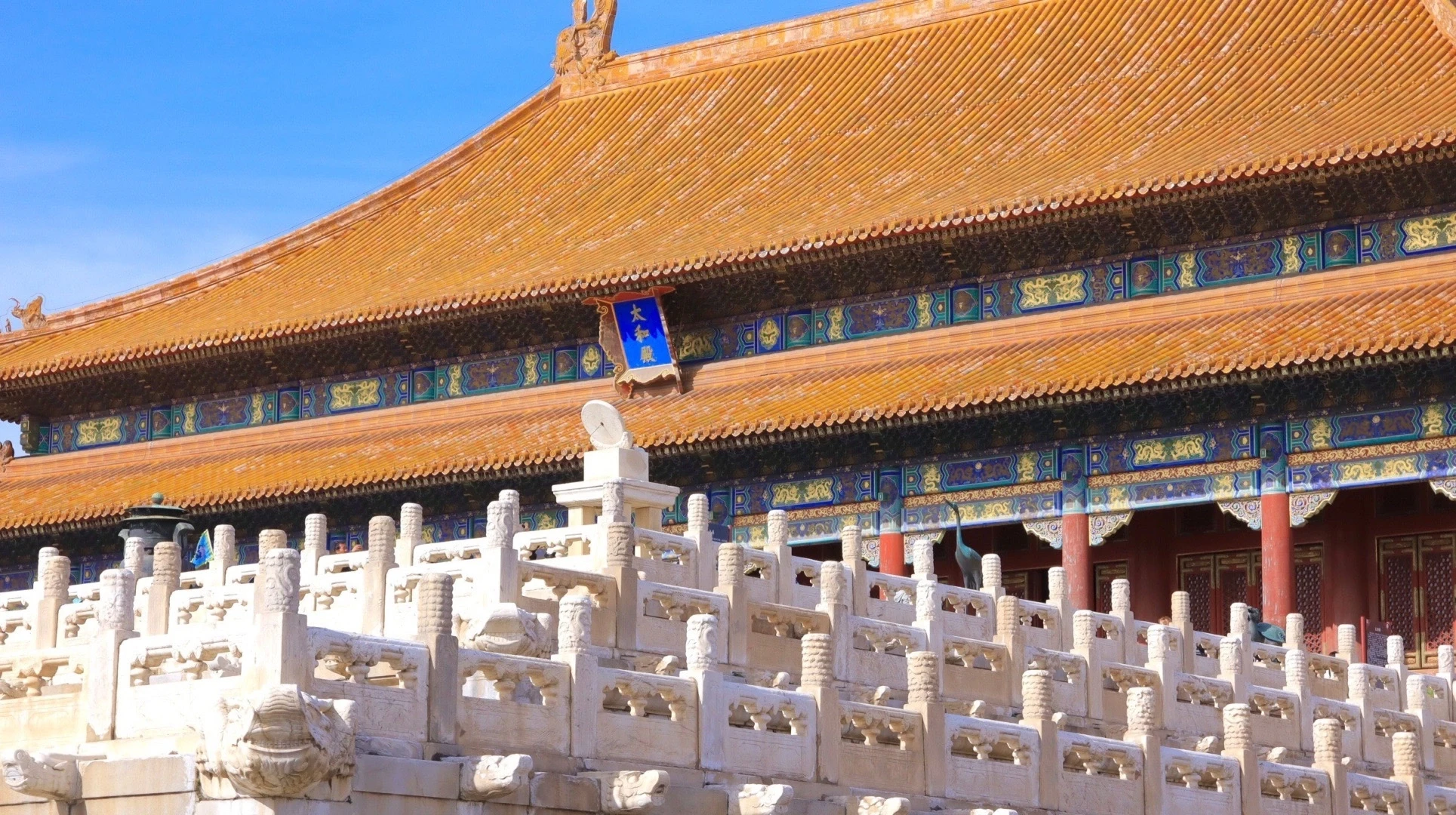
The name “Forbidden City” (Chinese: 紫禁城, Zǐjìnchéng) has three symbolic meanings:
1. “Forbidden” (禁):
During the Ming and Qing dynasties, the palace was strictly off-limits to ordinary people. Only imperial family members and high-ranking officials could enter. Unauthorized entry could lead to severe punishment.
2. “Purple” (紫):
“Purple” refers to the ancient Chinese concept of the Purple Star Enclosure (紫微垣, Zǐwēiyuán), which surrounded the North Star—the heavenly emperor’s home in Chinese astronomy.
As the “Son of Heaven,” the emperor was believed to be the earthly representative of the heavenly ruler. Thus, his residence was named after this celestial center.
3. “City” (城):
Covering over 720,000 square meters with more than 980 buildings and 8,700 rooms, the Forbidden City is not just a palace—it’s an enclosed fortress with high walls and a moat. It operated like a city within a city at the center of Beijing.
Historical Context
Built in 1420 by Emperor Yongle of the Ming dynasty
Home to 24 emperors across the Ming and Qing dynasties (1368–1912)
It was the political, ceremonial, and residential center of imperial China
In 1925, it became the Palace Museum and was opened to the public
Cultural Symbolism
Yellow roof tiles were reserved only for the emperor—others were forbidden from using them
Red walls symbolized power and exclusivity
Dragon motifs—over 120,000 across the palace—were sacred symbols of imperial authority
The layout mirrored cosmic order, with the emperor’s residence aligned with heaven (Qianqing Palace) and the empress’s with earth (Kunning Palace)
Western Analogies

To help foreign visitors understand:
“Forbidden” is similar to royal restricted zones in Versailles or Buckingham Palace—but even stricter for 500 years
“Purple” is like the sacred color used in Western churches, representing divinity
The Forbidden City was not just the emperor’s house—it was a celestial capital on Earth
Summary

The name “Forbidden City” reflects:
“Forbidden” — Imperial authority and restricted access
“Purple” — Celestial symbolism tied to heaven and the emperor
“City” — The palace’s scale and fortified structure
Once inaccessible to the public, the Forbidden City is now open to all, but its name still echoes China’s imperial legacy and cosmic worldview.