
Military Defense: Shielding Farmers from Nomadic Raiders

Ancient China was an agricultural society.
Nomadic tribes from the north (like the Xiongnu and Mongols) frequently raided for food, livestock, and supplies.
The wall served as a massive physical barrier, often built on high terrain and reinforced with watchtowers, signal beacons, and fortresses.
Its goal: slow invaders, warn nearby garrisons via smoke signals, and give the empire time to respond.
👉 Think of it as an ancient megastructure version of a border defense system.
Economic Control: Restricting Trade and Access
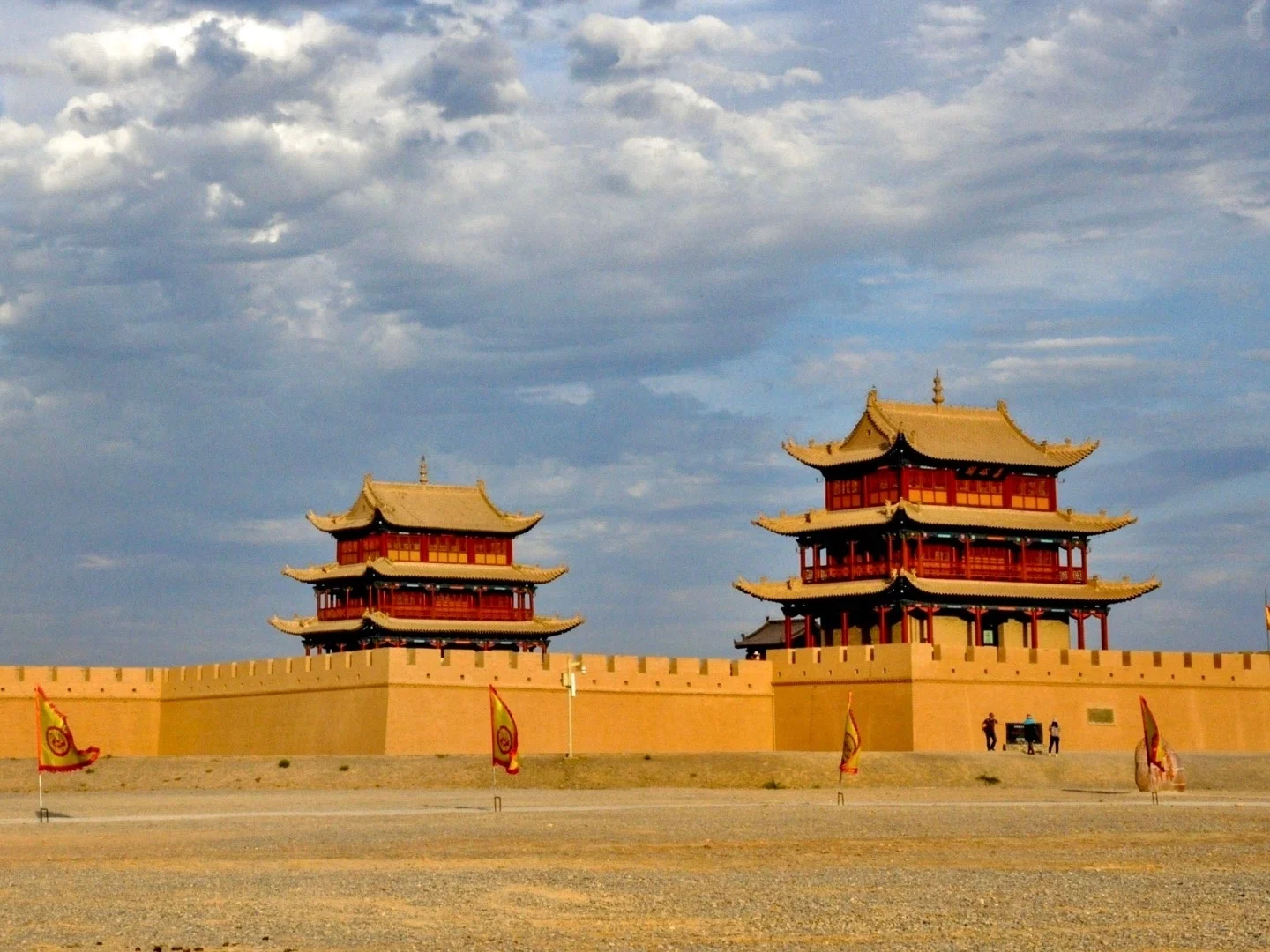
The Wall also helped limit trade routes to official border passes.
This controlled goods like iron tools, grain, and silk, making it harder for hostile groups to gain resources.
Examples: The Ming Dynasty set up “horse markets” at designated gates to trade with Mongol tribes — under strict regulations.
Political Symbol: A Statement of Sovereignty and Civilization
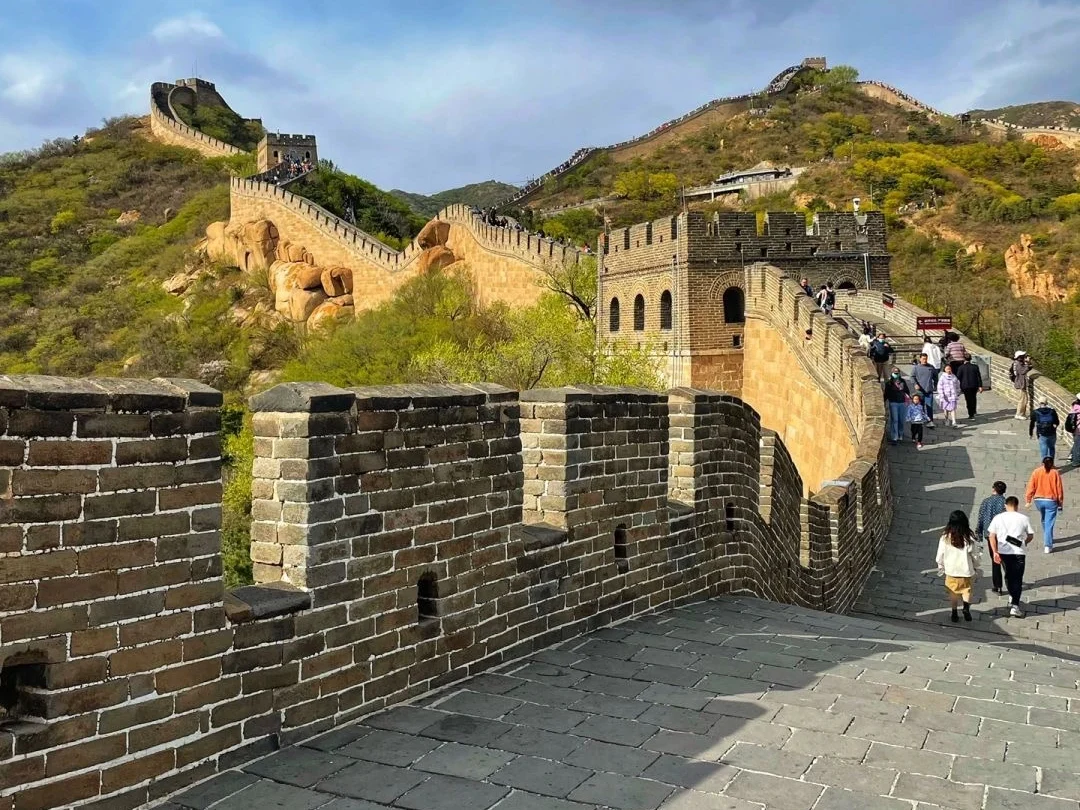
The Wall represented the boundary between the “civilized world” (China) and the “barbarian” lands beyond.
Emperors used the Wall to showcase power and legitimacy.
- E.g., the Ming Dynasty rebuilt huge sections to defend its capital, Beijing — symbolizing the emperor’s role as guardian of the nation.
Timeline of Construction: A 2,000-Year Project
Warring States Period (7th–3rd century BCE):
Small walls built by rival kingdoms like Qin, Zhao, and Yan for self-defense.Qin Dynasty (221 BCE):
Emperor Qin Shi Huang connected many walls into the first “10,000-li Wall” (approx. 5,000 km).Han Dynasty (206 BCE–220 CE):
Extended the Wall westward to guard the Silk Road and secure trade with Central Asia.Ming Dynasty (1368–1644):
Built the strongest and most famous sections with bricks and stone, stretching over 8,800 km from Liaoning (east) to Gansu (west).
Did It Really Work?
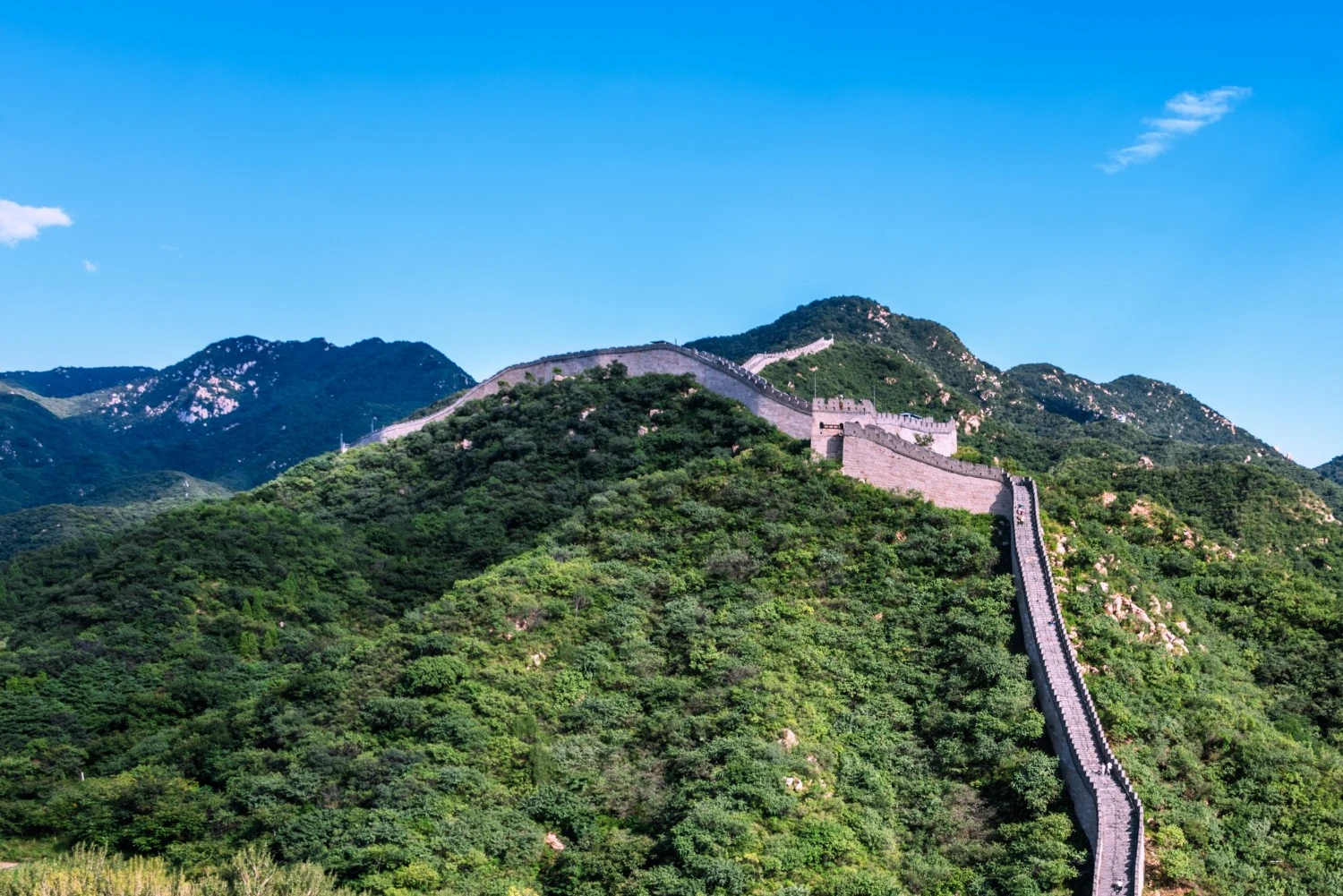
Yes and no. The Wall slowed raids and protected key areas, but powerful invasions (like by Genghis Khan or the Manchus) still broke through.
Its real power lay in deterrence:
It made small raids harder and bought time for defense — like a speed bump for invading armies.
Over time, it became a national symbol, especially during modern wars (e.g. referenced in China’s national anthem).