

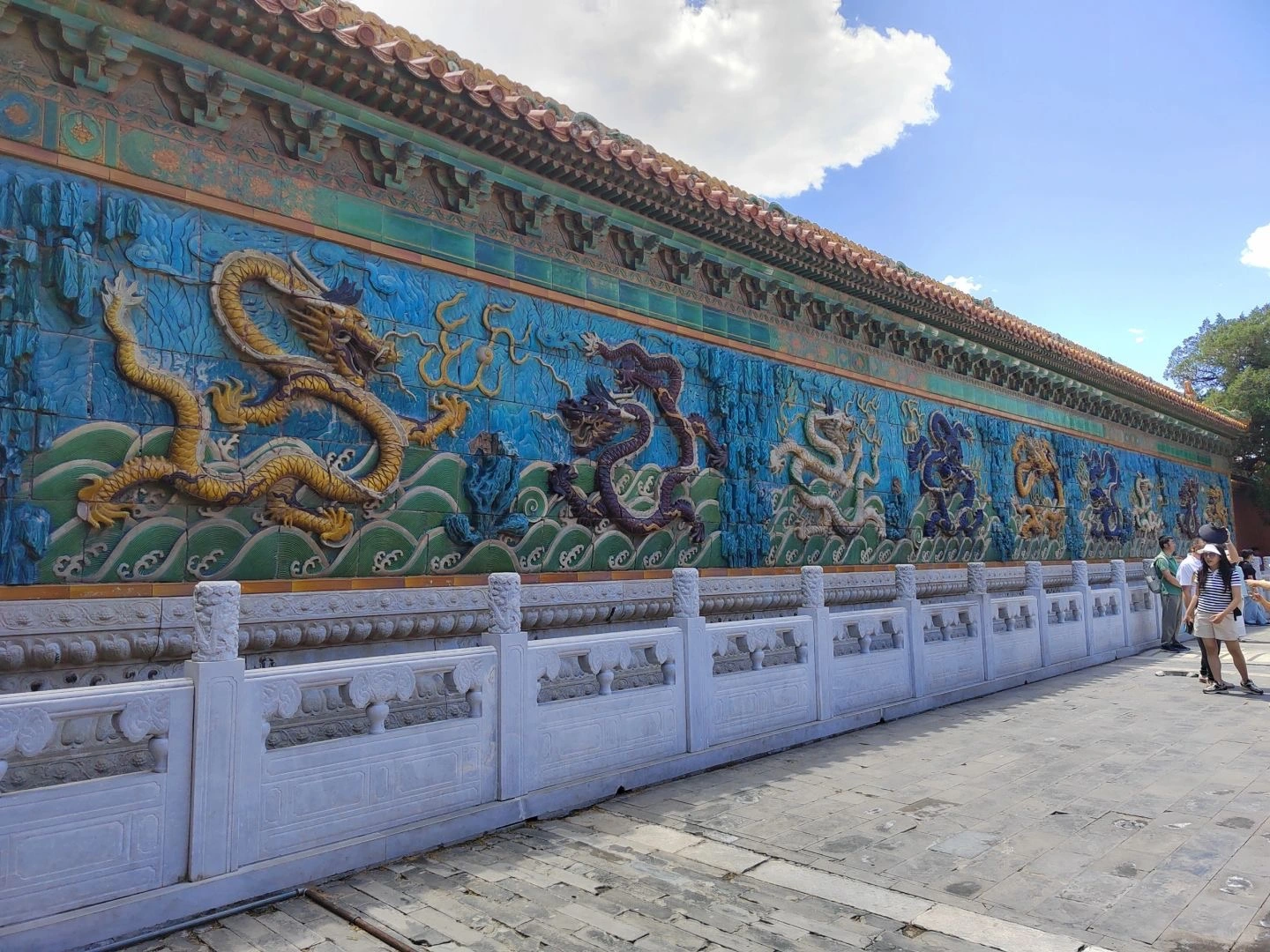
1. Origins: From Tribal Totem to Cultural DNA
Earliest artifacts date back over 5,000 years:
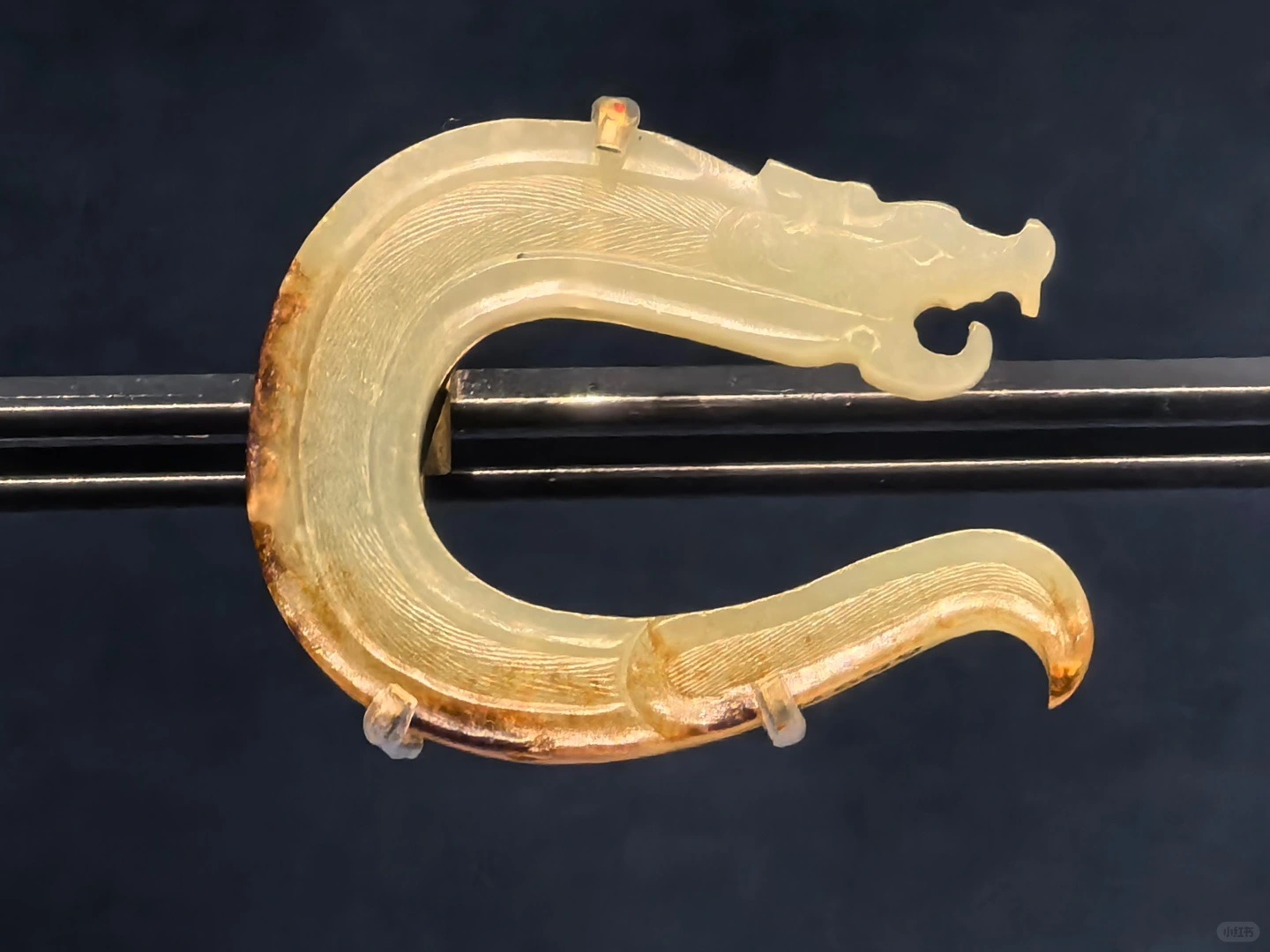
Hongshan Culture (Inner Mongolia): Jade “C-shaped dragon” — pig head, snake body, showing early reverence for nature’s power
Liangzhu Culture (Zhejiang): Engravings of “gods riding dragons” — early signs of divine association
Fusion of Many Creatures:
In the Shang and Zhou dynasties, the dragon became a blend of sacred animals:Deer antlers (good fortune), snake body (spiritual energy), eagle claws, fish scales, ox ears
A symbolic result of tribal unification — combining totems into a shared cultural symbol
2. Cultural Symbolism: Power, Rain, and Virtue
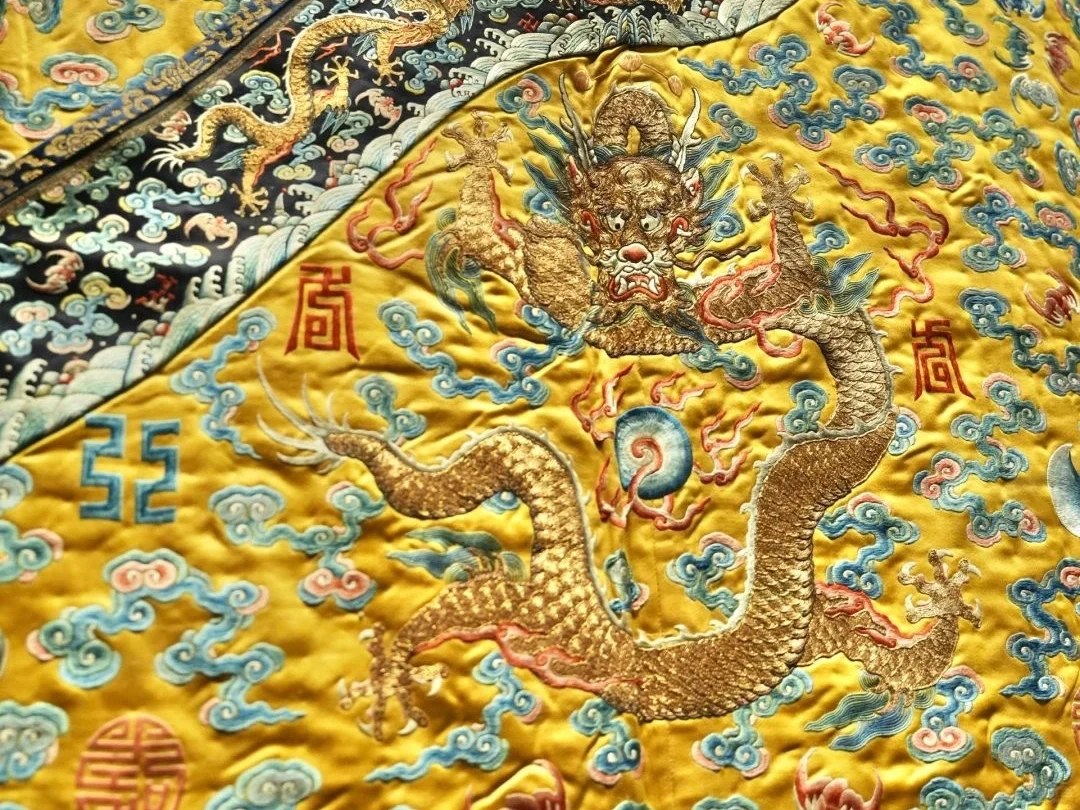
Imperial Power
- From the Qin dynasty onward, the dragon became a symbol of the emperor and Heaven’s mandate
- Dragon robes, dragon thrones, and forbidden use of dragon imagery for commoners reinforced divine authority
Fertility and Water
- Dragons were believed to control rain and rivers — vital to agrarian society
- Dragon King Temples and dragon boat races (especially during the Duanwu Festival) honored this connection
Philosophical Wisdom
- Confucianism: Dragon symbolizes moral self-cultivation and virtuous leadership (e.g., “Flying Dragon in the Sky” from the I Ching)
- Daoism: Emphasizes the dragon’s ability to adapt — “able to shrink or expand, appear or vanish,” mirroring nature’s rhythm
3. Modern Revival: From Imperial Seal to National Icon

After 1911 (post-Qing dynasty): Dragons became a national symbol, not just imperial
The Yellow Dragon Flag was an early national flag
The term “Descendants of the Dragon” gained global traction thanks to poet Yu Guangzhong and the popular 1970s song
In Contemporary Culture:
Technology: China’s deep-sea submersible is called Jiaolong, symbolizing deep exploration and national strength
Festivals: Dragon dances and lanterns during Lunar New Year express prosperity, unity, and renewal
Art & Media: Films and stage performances (like Nezha or Awakening Lion) often feature dragons as protectors or symbols of inner strength
4. East vs. West: Two Different Dragons
👉 Misunderstanding: Though translated as “dragon,” the Chinese dragon (龙 / long) is vastly different from its Western counterpart. Scholars now propose using “Loong” to distinguish it in cultural contexts.
5. Summary: Why the Dragon Is China’s National Symbol
Historically: A totem uniting tribes and expressing imperial power
Culturally: A sacred creature of harmony, nature, and wisdom
Nationally: A modern symbol of innovation, identity, and resilience