Written by
Anthony

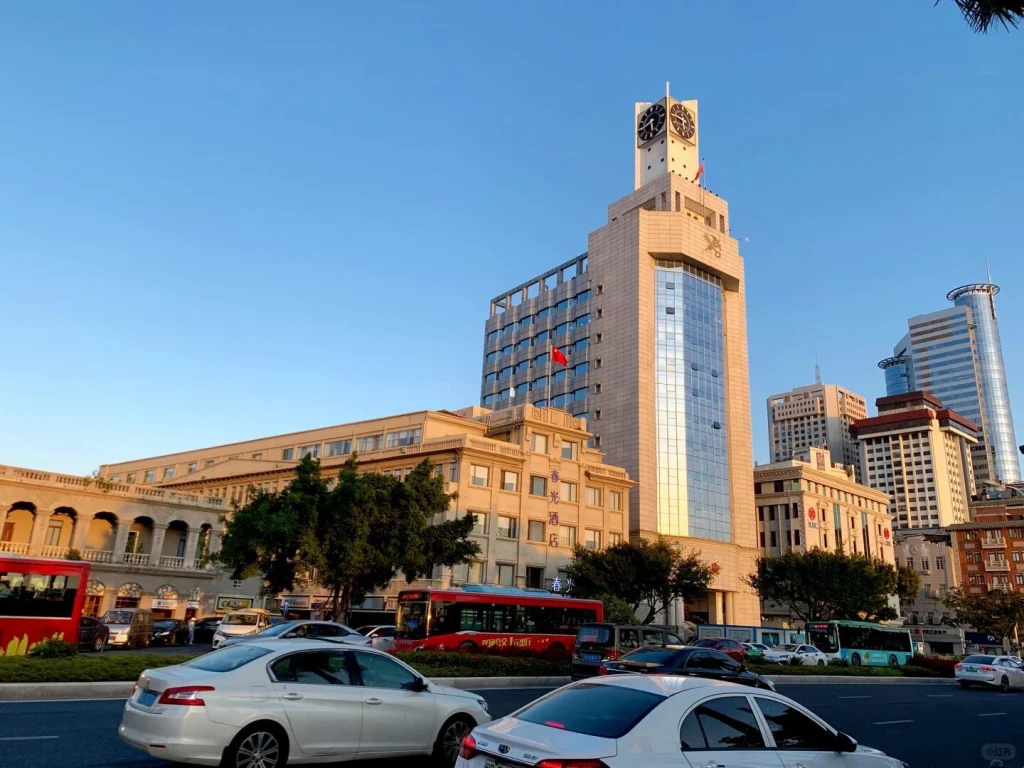
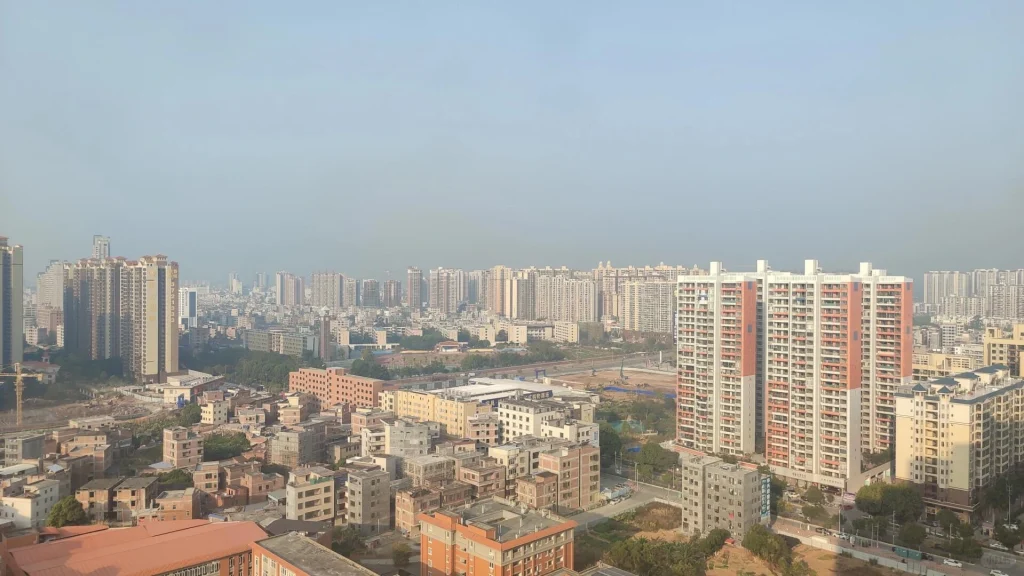
Xiamen, once known as Amoy, is a romantic port city on China’s southeast coast, often called the “Garden City on the Sea.” Blessed with a subtropical climate, the city is composed of Xiamen Island, Gulangyu, and nearby islets, offering lush greenery and mild weather year-round. Spring and autumn are especially pleasant, with temperatures ranging from 15–25°C and sea breezes creating a relaxed coastal charm.
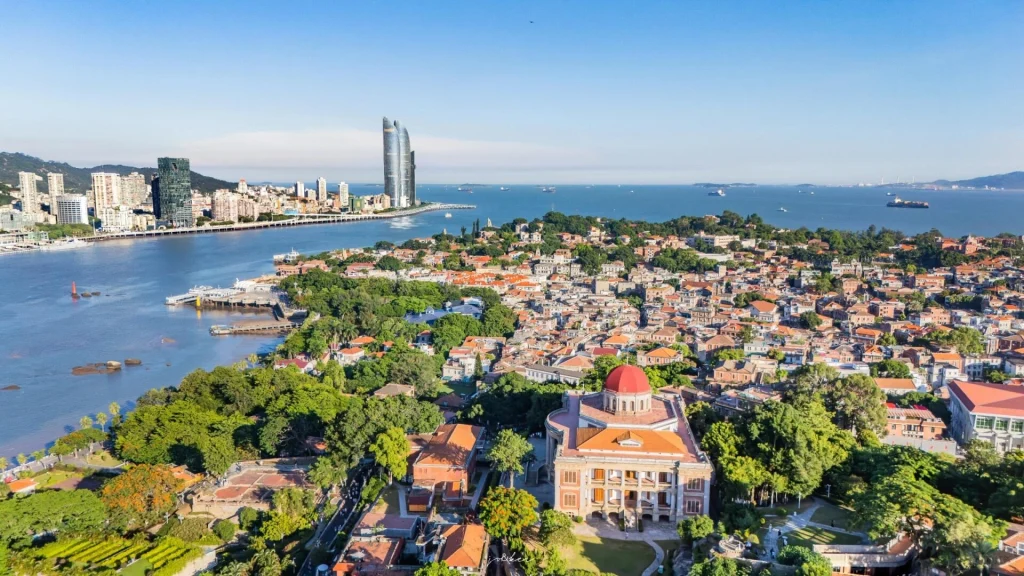
The soul of Xiamen lies in its cultural fusion. Nowhere is this more vivid than on Gulangyu Island, a UNESCO World Heritage Site famous for its blend of Minnan traditions, overseas Chinese influences, and Western architecture. Nearly a thousand historic buildings—from red-brick mansions to French rooftops and British gables—bear witness to a century of global exchange. Known as the “Island of Pianos,” Gulangyu is home to piano and organ museums, and its quiet, car-free lanes are often filled with the sound of live music.
Xiamen charms travelers with a mix of history, nature, and lifestyle—making it one of China’s most romantic coastal cities.
To see how Xiamen compares with other top destinations nationwide, refer to Best Places & Cities to Visit in China.
Xiamen enjoys a subtropical climate with warm, humid air year-round. Winters are mild, averaging 13 °C (55 °F), while summers are hot, around 28 °C (82 °F) and often humid. The typhoon season runs from July to September, bringing heavy rain and occasional storms.
The best time to visit is spring (March–May) and autumn (September–November). During these months, temperatures are comfortable, skies are clear, and outdoor activities like cycling the Island Ring Road or strolling Gulangyu are especially pleasant. You’ll also avoid the peak summer heat and stormy weather.
For a country-wide seasonal overview, see Best & Worst Time to Visit China.
As a major gateway on China’s southeast coast, Xiamen is easy to reach by both air and rail. Whether you land at the airport or arrive by high-speed train, you’ll find quick connections into the city center.
For a system-level overview of how to travel between cities and regions in China, see our China Transportation Guide.
Xiamen is currently served by Gaoqi International Airport (a new airport in Xiang’an is planned for 2026). The airport sits about 13 km from downtown, making transfers quick and simple.

Airport Shuttle Bus – Best value option. Routes run between the airport terminals and Zhongshan Road (near the ferry to Gulangyu). Travel time: 35–40 minutes. Tickets: ¥10. Direct shuttles to Zengcuo’an and the Island Ring Road also operate (~45 minutes).
Taxi or Didi – Most flexible. A ride to Zhongshan Road takes 15–20 minutes off-peak, costing around ¥45 (Didi ride-hailing ~¥30). Using the Didi app (with English support) is recommended over hailing taxis on the street.
Xiamen is connected to China’s vast high-speed rail network, with two stations serving different areas:
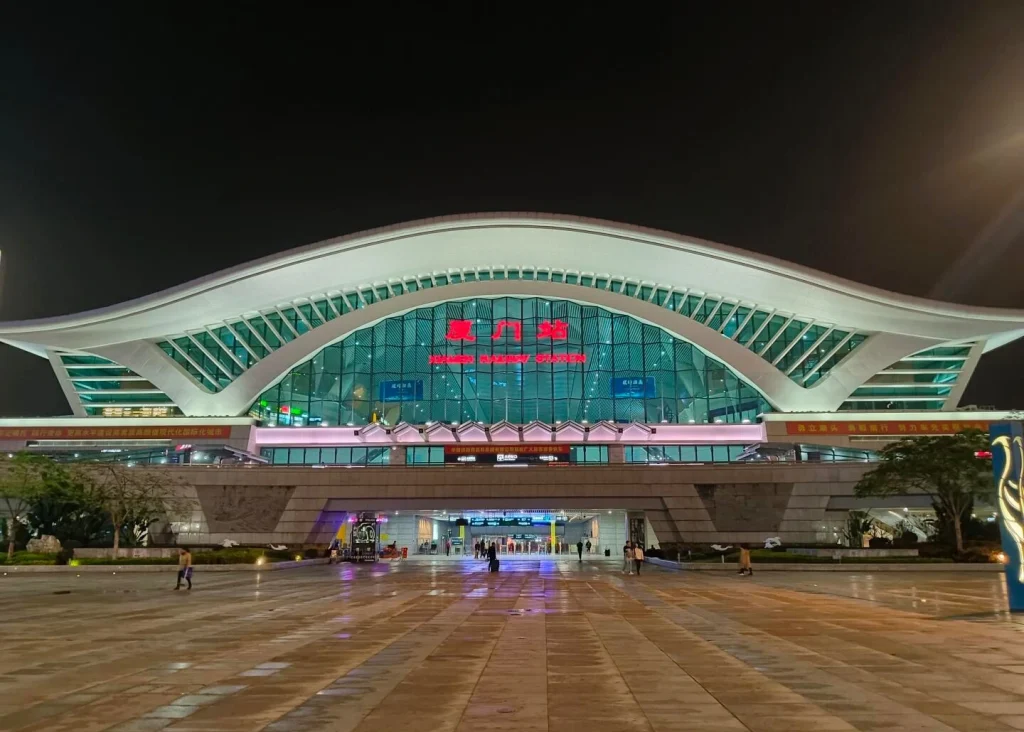
Xiamen Station (Downtown) – Convenient for city stays. Located in Siming District, just 3 km from Zhongshan Road and close to Nanputuo Temple. Taxis cost ~¥15; buses and metro links are available.
Xiamen North Station (Jimei District) – Main hub for long-distance trains. From here, the Metro Line 1 gets you to Zhongshan Road in about 29 minutes (¥7, trains every 10 min). The BRT express line is another option, reaching the First Pier in ~45 minutes (¥4).
For routes, tickets, and station tips across China, see China’s High-Speed Rail (HSR).
Xiamen may be spread across islands and districts, but its public transport system is efficient, affordable, and easy for visitors to use. From the metro to ferries, here’s how to move around like a local.
Xiamen currently operates Line 1 and Line 2, connecting key stations, attractions, and shopping areas.
Line 1 (Red Line): Runs north–south, linking Xiamen North Railway Station to Zhenhai Road (near Zhongshan Road). Stops include Jimei University, Gaoqi Airport, and central Siming District. Travel time: 29 min from Xiamen North to Zhongshan Road (¥7). Airport to downtown: 12 min (¥3).
Line 2 (Blue Line): Crosses the bay between Huli and Haicang Districts, serving Xiamen Railway Station and the Cruise Terminal (Gulangyu Ferry). A full trip takes 25 min (¥4).
Tips: Use the Alipay app (search “Xiamen Metro QR”) to scan in/out, or buy tickets at machines (support international credit cards). Signs are bilingual (Chinese + English).
Xiamen’s buses reach every part of the city, making them ideal for short trips.
Fares: Regular buses cost ¥1–2; BRT (Bus Rapid Transit) routes cost ¥1–4.
Popular routes:
29 Bus: Ferry Terminal → Zengcuo’an → Huangcuo Beach, covering highlights of the Island Ring Road.
87 Bus: Nanputuo Temple → Xiamen University → Shapowei → Cruise Terminal.
Tips: Pay by scanning with Alipay (Xiamen Bus QR) or using a national transport card. Some older buses don’t announce stops in English—use a maps app to track your ride.
Fares: Daytime starts at ¥10/3 km, then ¥2/km. Night fares start at ¥12.6 with ¥2.6/km after. A 15-min ride (Zhongshan Road → Zengcuo’an) costs ~¥25–30. To Xiamen North Station, expect ~¥80–100.
Tips: Use the Didi app (English interface, international card support) for safer pricing and no haggling. At airports and train stations, use the official taxi pickup zones.
Since Gulangyu is car-free, ferries are the only way across.
Main route for tourists: Cruise Center → Sanqiutian Pier. Duration: 20 min. Price: ¥35 one-way. Return tickets are valid for 20 days.
Booking: Reserve 1–3 days ahead via the official ferry website or WeChat mini-program. Passport info is required. English-speaking staff and free Wi-Fi are available in the terminal.
Gulangyu is Xiamen’s cultural postcard — a car-free UNESCO World Heritage site where every lane feels like a living museum of East-West fusion. Plan at least a full day to wander.
Highlights:
Shuzhuang Garden & Piano Museum: Seaside garden with 40+ bridges and over 100 antique pianos, including rare 19th-century models.
Sunlight Rock: The island’s highest point. Climb ~80 steps for sweeping views of red-tiled roofs and the city skyline, best at sunrise or sunset.
“Most Beautiful Corner”: At Guxin Rd & Sanming Rd, red brick walls, archways, and banyan trees create the island’s most photographed scene.
Hidden Trails: Slip into quiet streets like Bishan or Neicuo’ao to find bougainvillea-covered villas and the former residence of writer Lin Yutang.
Insider Tip: Try the “Music Road” — book a shared piano through the local app and play your own notes on the island known as “Piano Island.”
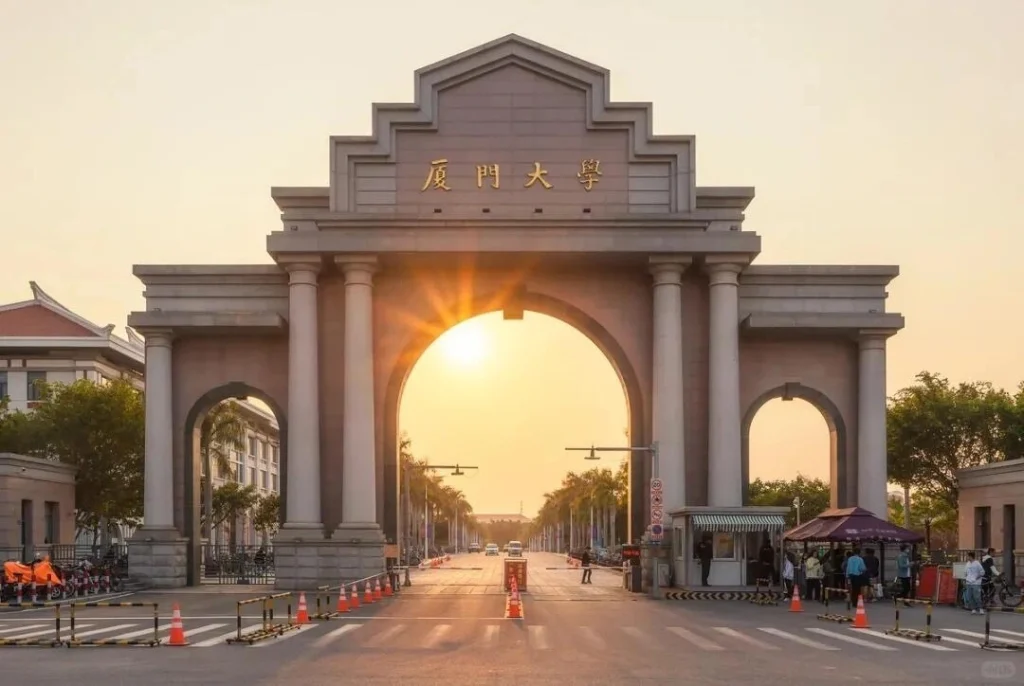
Blending Minnan traditions with colonial touches, Xiamen University is open weekdays 10:30–17:30 (weekends & holidays all day, advance booking required).
Must-see spots:
Furong Tunnel: A 1.1 km graffiti tunnel with vibrant murals like The Starry Sky. Best walked one way from the Furong Garden entrance.
Lovers’ Valley: A quiet lake surrounded by acacia trees, perfect for a break.
Jiannan Auditorium: A classic blend of Chinese eaves and Western columns; the front lawn is the best photo angle for the famous “XMU Blue.”
Just beside the campus lies Nanputuo Temple, a centuries-old center of Minnan Buddhism. Free entry with advance online booking, open 9:00–12:00 and 13:00–17:30.
Dress code: Long pants or skirts, no sleeveless tops (aprons available at the gate).
Highlights: The incense-filled Main Hall and the octagonal roof of the Great Compassion Hall.
Insider tip: Try the temple’s famous vegetarian dishes at Nanputuo Vegetarian Restaurant, especially the taro-mushroom rolls and mung-bean cakes.
Once a fishing harbor, Shapowei is now Xiamen’s creative heart. On weekends (10:00–18:00), its art market buzzes with life.
Photo spots: Colorful old fishing boats against modern towers, graffiti walls with anime themes, and skyline shots of Shimao Twin Towers.
What to do: Snack at trendy cafés and burger shops, or grab fresh bread at Juicy and watch the boats sway from the stone steps by the water.
Covering nearly 5 sq. km, this vast garden is open 8:00–18:00 and best explored in the cool hours of 9:00–11:00.
Rainforest World: A mist-filled zone (daily mist 9:00–11:00, extended in summer) where banana palms, strangler figs, and giant ferns create a tropical wonderland.
Succulent Zone: Thousands of species form a “cactus forest” set against Xiamen’s skyline.
Araucaria Lawn: A wide meadow shaded by tall pines, perfect for picnics and popular for wedding shoots.
The 23 km Island Ring Road strings together Xiamen’s most scenic beaches, best enjoyed by bike or taxi.
Baicheng Beach: Next to XMU, with soft sand and sunset views through the Yanwu Bridge arches. Chairs (¥30) and water bikes (¥50/hr) available.
Huangcuo Beach: A peaceful sunrise spot (5:30–6:00 in summer, 6:30–7:00 in winter) and locals’ favorite night stroll. Nearby Wanyuepo is great for moon- and star-gazing.
Along the way: Stop at Calligraphy Square and Music Square, both dotted with sculptures and photo spots.
Running between the Botanical Garden and Nanputuo Temple, the cable car offers a 20-minute ride each way (¥80, open 9:00–21:00).
Views: See the rainforest canopy on the way up and the blue coastline with Gulangyu rooftops on the way down.
Best time: 17:00–18:30, when sunset meets city lights. Night rides show a sparkling skyline.
Tip: Combine with a garden stroll and Nanputuo visit for a full-day itinerary.
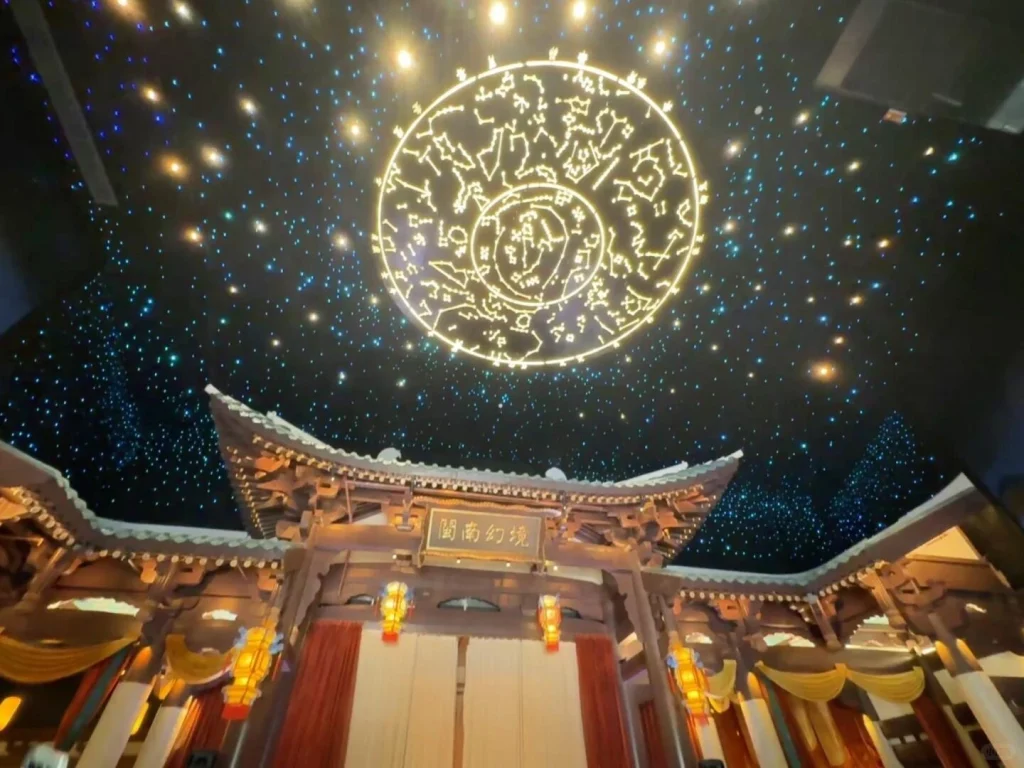
Opened in 2025 near the International Cruise Center, this immersive cultural park (10:00–21:00) recreates 1,000 years of Minnan history.
Costume rentals: Try Minnan-style robes for photos among recreated heritage houses.
Hands-on heritage: Workshops in lacquer-thread carving, puppet shows, and tie-dye crafts (some free, some bookable).
Evening show: The Voyage South at 19:30 tells the story of Minnan seafarers, complete with English subtitles.
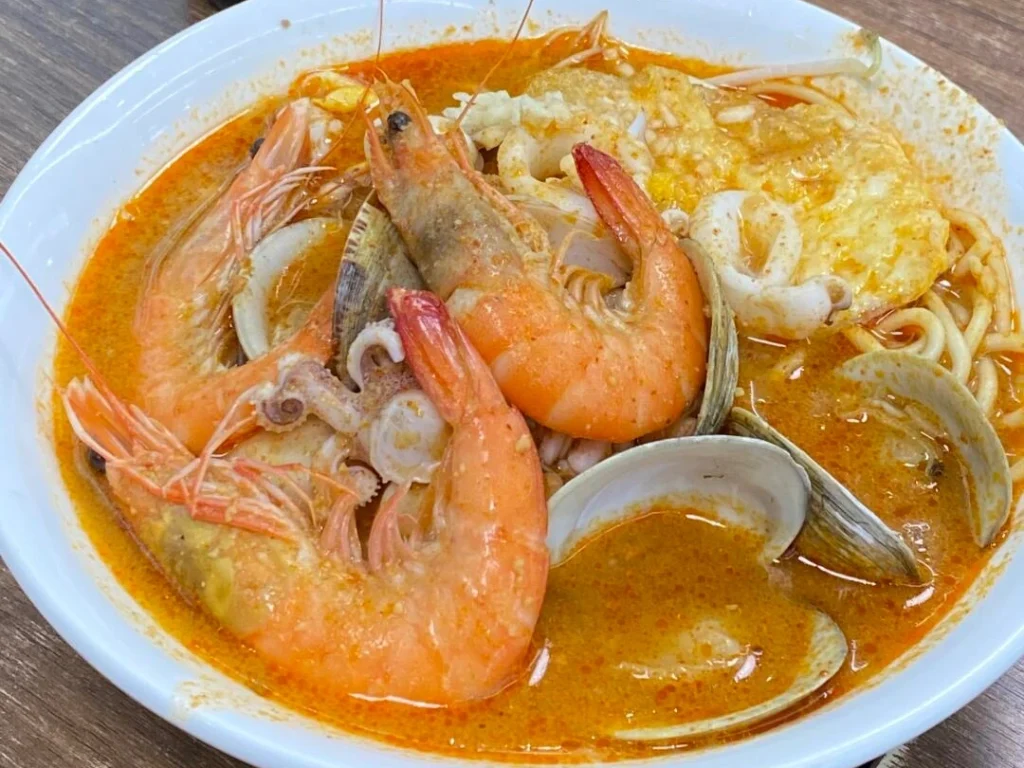
This rich noodle soup is a Xiamen signature, blending peanut, dried shrimp, coconut, and spices into a savory broth. Topped with shrimp, squid, or tofu, it’s a taste of the sea and South Asia in one bowl. Tip: Try the old shop “Jia Wei Zai Tian” on Zhongshan Road (¥15–25).
Made from sea worms (don’t worry—you won’t taste it), this clear jelly is fresh, chewy, and served cold with garlic, soy sauce, or mustard. Street stalls at Bashi Market sell small cups for ¥5, great for a first try.
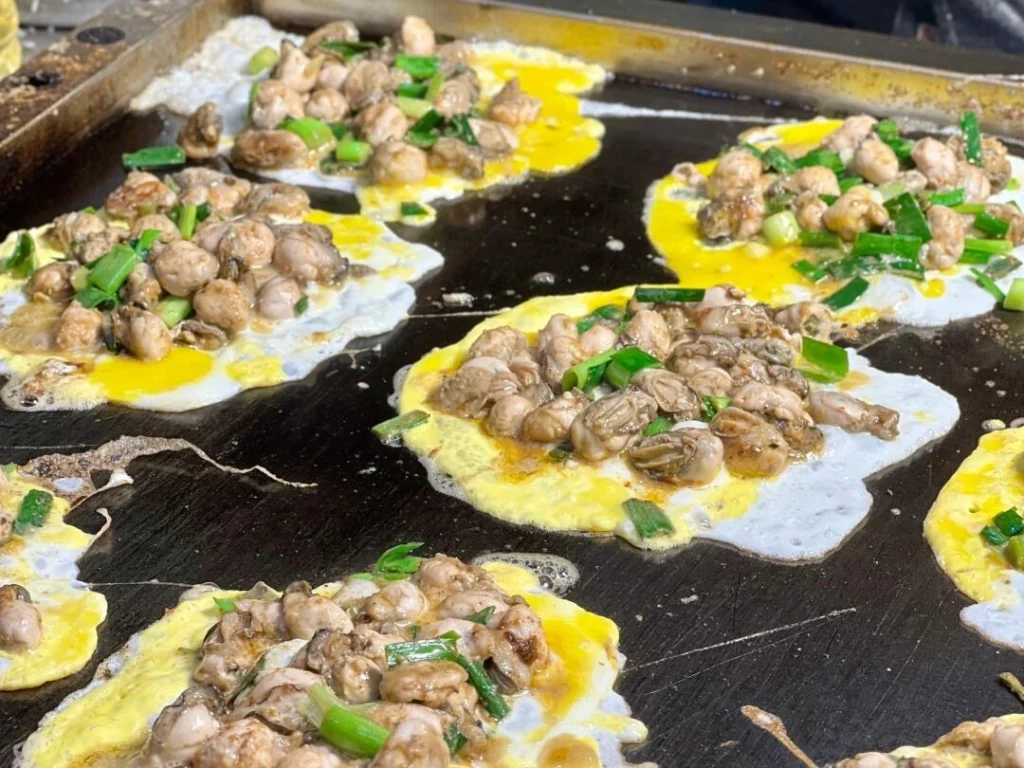
Crispy outside, soft inside, this dish fries fresh oysters with sweet potato starch for a gooey, flavorful bite. Add local chili sauce for extra kick. In Zengcuo’an, Axin Oyster Omelet (¥20–30) is a crowd favorite.
Boiled for hours until creamy and nutty, this warm dessert is often eaten for breakfast or late-night snacks. Head to Huang Zehe on Zhongshan Road (¥5–8 per bowl) for the authentic version.
Soft, sticky rice balls rolled in crushed peanuts, sesame, and sugar—simple yet addictive. Look for Ye’s Mochi cart on Gulangyu (¥3 each, cash only).
Buttery, flaky pastries with fillings like mung bean, taro, or coconut. Individually wrapped and easy to carry, they make the perfect souvenir (¥25–35/box).
Adjust flavors: Minnan dishes can be salty or spicy—say “less salt” or “not too spicy” when ordering.
Seafood check: Always confirm seafood weight and cooking fee (¥10–20 per jin) before cooking at markets.
Payments: Cash is still king at small stalls—carry ¥100–200 in change. Bigger restaurants accept Alipay, WeChat, and even Visa/Mastercard.
Xiamen’s oldest wet market is more than just a place to shop—it’s a foodie playground. Here you’ll find iconic snacks like crispy Ajie Five-Spice Rolls (¥4), chewy Tusan Jelly from old stalls, and sweet, peanut-filled Manjian Cakes (¥3). For the full experience, buy fresh shrimp, crab, or lobster in the market and take them to nearby eateries for cooking (¥50–80 per person for a feast). Tip: Visit in the afternoon (after 3 pm) for fewer crowds. Some vendors speak basic English, and translation apps help a lot.
Beneath century-old arcades, Zhongshan Road gathers Xiamen’s classic eateries. Must-tries include Jia Wei Zai Tian’s Sha Cha noodles and pork rice dumplings (¥8 each), Huang Zehe’s creamy peanut soup paired with fried dough sticks (¥2), and Lianhuan Oyster Omelet, a hidden alley gem (¥25 per person). As you stroll the car-free street, look up at vintage ads on the arcade columns—it’s a taste of history with every bite.
Once a quiet fishing hamlet, Zengcuo’an is now Xiamen’s liveliest night market street. Lanterns light up the alleys, filled with snacks like Taiwanese-style Big Sausage Wraps Little Sausage (¥15), refreshing mango ice shakes (¥20), and crispy-sweet Minnnan Vinegar Pork (¥18). Many stalls have English menus, and the vibe is youthful with street performers adding to the atmosphere. Tip: Stick to marked-price shops and avoid pushy hawkers.
In southern Fujian, tea isn’t just a drink—it’s a way of life. Locals say “no tea, no joy,” and the traditional Gongfu tea ritual is something every visitor should try.
On Zhongshan Road, you can step into an old-style tea house like Jia Wei Zai Tian. Order a pot of Tieguanyin (¥30–50) with peanut crisps or mochi on the side, and the staff will guide you through the tea ceremony: warming cups, rinsing leaves, careful pouring, and savoring in three sips. The floral aroma cuts through the richness of local snacks, making it the perfect mid-journey pause.
Tieguanyin Oolong: Light-fragrance style for everyday sipping, or rich-aroma for a stronger finish.
Wuyi Rock Tea: Bold varieties like Da Hong Pao or Rou Gui, great for those who prefer depth.
Where to buy:
Haitie Tea on Zhongshan Road: A 60-year-old shop with English-speaking staff, offering loose tea by weight (¥200–500 per 500g). They’ll pack small bags for travel.
Supermarkets like Walmart or Yonghui: Pre-packaged teas (¥50–200 per box) with English labels and brewing instructions.
Tips: Always ask to sample before buying, and say “for gift” so staff can prepare elegant packaging.
Choosing the right area to stay in Xiamen shapes your whole trip. Do you want the quiet charm of Gulangyu’s old villas, the convenience of downtown Zhongshan Road, or the laid-back vibes of a beachfront room on Huandao Road? Here’s how to pick the best spot for your style and budget.
On this UNESCO-listed island, accommodation is part of the cultural experience. Instead of high-rise hotels, you’ll find boutique inns converted from century-old villas. Many retain red-brick Minnan walls, arched windows, and wooden shutters, while upgrading interiors with modern comforts.
Best for: travelers who love culture, slow-paced trips, and unique stays.
Tips:
No cars on the island—be ready to walk 10–20 minutes from the pier, or pre-book luggage service (¥20–50 per bag).
Some inns lack elevators; check before booking.
Most hotels cluster near Sanqiutian Pier for easy arrival/departure.
If you want everything at your doorstep—ferries to Gulangyu, subway access, food, and shops—this is your sweet spot. From here, you can walk to the ferry, explore Zhongshan Road’s night scene, or taxi to Xiamen Railway Station in 10 minutes.
Stay options:
Luxury: Ludao Hotel (Xiamen Lujiang Hotel), a classic sea-view stay with heritage charm (¥800–1,200/night).
Mid-range: Chains like Atour or All Seasons offer comfort and modern facilities (¥400–600/night).
Budget: Apartment-style inns along the pedestrian street (¥200–400/night).
For a more relaxed holiday, head to the coastline. From White City Beach to Huangcuo, hotels and guesthouses line the shore, many with sea-facing rooms and balconies. Wake up to the sunrise at Huangcuo or enjoy sunset views over Yanwu Bridge near White City Beach.
Best for: beach lovers, cyclists, and couples seeking romantic views.
Tips:
Many guesthouses provide free bikes for Huandao cycling.
Expect 20 minutes by taxi to Zhongshan Road (~¥30–40).
Seafood stalls and beach cafés are easy to find nearby.
Stay options:
Boutique guesthouses: cozy, 2–3 story buildings with terraces (¥300–600/night).
High-end resorts: Hyatt Regency or International Conference Center Hotel with pools, private beach, and restaurants (¥800–1,500/night).
See also: Where to Stay in Xiamen
If it’s your first time in Xiamen, three days is just enough to soak in the city’s best mix of heritage, seaside views, and everyday life. This plan balances must-see landmarks with space to enjoy the slower pace that makes Xiamen so charming.
Spend your first day exploring Xiamen’s cultural icon.
Morning ferry: Book the Cruise Terminal → Sanqiutian Pier line in advance (¥35, 20 minutes). Arrive by 8:30 a.m. and bring only a light daypack; large luggage can be stored at the pier.
Shuzhuang Garden & Piano Museum: Wander its hidden sea-view bridges and browse antique pianos. Go early for fewer crowds.
Lunch on Longtou Road: Try Lin’s handmade fish balls or fresh mochi from street vendors—cheap, local, and tasty.
Afternoon at Sunlight Rock: Climb 80+ steps to the island’s highest point for sweeping views of red-tiled roofs and the sea. Go after 2:30 p.m. to avoid midday heat.
Dinner & return: End with seafood at Xiao Yanjing (clear prices, English menu). Take the ferry back before the evening rush.
Explore the cultural heart of Xiamen on the mainland.
Morning at Nanputuo Temple: Free to enter with advance booking. Respect dress codes (no shorts/shoulders). Don’t miss the octagonal roof reflections by the pond.
Late morning at Xiamen University: China’s most beautiful campus. Walk the graffiti-lined Furong Tunnel, relax by Lovers’ Valley, and snap “XMU Blue” at Jiannan Hall.
Lunch on campus: Try budget-friendly local dishes like oyster omelet or fried noodles at Furong Canteen.
Afternoon in Shapowei Art District: Colorful fishing boats, street art, and cafés make this a lively creative hub. Visit on weekends for the craft market.
Evening on Zhongshan Road: Stroll under glowing arcades and sample local classics—satay noodles, peanut soup, oyster omelet. Great spot for souvenirs too.
End your trip with fresh air and nature.
Morning ride on Huandao Road: Rent a bike at Baicheng Beach (~¥20–30/hour). Follow the seaside route past Calligraphy Square, Music Square, and stop in Zengcuo’an village for snacks.
Lunch in Zengcuo’an: A mix of seafood and street food stalls with English menus.
Afternoon at Xiamen Botanical Garden: See the misty Rainforest World (best 9–11 a.m. or late afternoon) and cactus “giant forest.” Wear comfy shoes.
Optional sunset by cable car: The Zhonggu Ropeway, near the garden, offers 360° views of sea, city, and mountains—magical at golden hour.
To compare daily travel costs across major Chinese cities, see Cost of Travel in China.
Bringing home a little piece of Xiamen is part of the journey. From sweet pastries to centuries-old crafts, here are the best souvenirs that combine taste, tradition, and practicality.
Gulangyu Pastries – Known as Xiamen’s “sweet calling card.” Try mung bean, coconut, or taro fillings for tradition, or the rose-flavored version at Miss Zhao’s Shop for something new. Available on Longtou Road (try near Lin’s Fish Balls) or Huang Yuantang on Zhongshan Road. Tip: choose individually wrapped packs (¥25–35/box) that last up to 15 days.
Pineapple Cakes & Sun Cakes – Flaky pastries with tropical sweetness. Huang Yuantang is known for its high-fruit pineapple cakes, while Jiawei Zaitian specializes in rich sun cakes.
Peanut Soup & Ginger Duck Packs – Local comfort foods you can take home. Peanut soup comes canned (¥15), while ginger duck (vacuum-packed, ¥60–80) makes a hearty gift. Buy fresh just before your flight.
Minnan Oolong Teas – Iron Goddess (Tieguanyin) for a floral touch, or Wuyi rock teas for stronger notes. Visit Haidi Tea House on Zhongshan Road for English service and on-the-spot tasting.
Dried Seafood – Dried squid and shrimp are popular for cooking soups or stir-fries. The Zhuji stall at Bashi Market packs them securely for checked luggage.
Lacquer Thread Carvings – A UNESCO-listed craft where fine threads form intricate figures or buildings. Small desk-size pieces (¥50–100) are available at Yuyuan Lacquer Art.
Bead Embroidery Accessories – Hand-stitched bookmarks or earrings with phoenix or wave motifs, sold in Shapowei’s Bead Studio. Some shops can personalize with English words.
When visiting sacred sites like Nanputuo Temple, dress modestly — no bare shoulders, short skirts, or shorts. Remove hats before entering. Do not photograph monks casually, and avoid using flash on statues. When offering incense, hold sticks with your left hand, following local custom.
Gulangyu Island: Best shots include sunrise from Sunlight Rock, sea views at Shuzhuang Garden, and the “Most Beautiful Corner” — come early morning to avoid crowds.
Island Ring Road: Capture sunrise at Huangcuo Beach (arrive before 5:30 am in summer) or sunset at Yanwu Bridge, when golden light meets the waves.
Typhoon Season (July–Sept): Always check the Xiamen Meteorological Service for warnings. Choose hotels with flexible cancellation policies during this period.
Seafood Dining: Stick to restaurants with clear pricing. Avoid unlicensed street hawkers or “tout” stalls to prevent overcharging.
Emergency Numbers: Tourist hotline 12301; medical emergency 120 (some hospitals have English service).
For first-time visitors planning a broader China trip, see China Travel Tips: The Best Guide You Can Find.

Plan 4 days in Shanghai with a balanced first-time itinerary, Disney advice, costs, hotel areas, route tips, and what to avoid.

Use Chongqing’s metro, monorail, taxis, and DiDi with confidence. Get payment tips, avoid wrong-level pickups, and plan routes between top sights efficiently.

Check Monkey year dates, Shen’s Metal meaning, five element types, cultural symbolism, traits and compatibility, with the 2026–2027 traditional folk outlooks.

China is not yet a developed country—it remains the world’s largest developing nation due to its uneven growth and moderate per capita income.

Discover the best Feng Shui bed placement tips from a Chinese master. Improve sleep, health, and relationships by aligning your bed with energy flow principles.

Check the 1965 Wood Snake dates, Yi-Si element layers, traditional traits and compatibility, plus culturally framed outlooks for 2026 and 2027 in one guide.
Share your travel ideas, and we’ll help you plan a smooth, personalized trip across China.
We’re looking for experienced, part-time local guides to serve international travelers.
Requirements:
• Fluent in at least one foreign language
• 3–5 years guiding international visitors
• Able to operate in multiple regions in China
• Competitive and reasonable pricing
• Proven customer reviews or testimonials
• Professional, reliable, and responsive
• Flexible availability for custom trips
Hi there!
Just a quick heads-up — a helpful user named Volker let me know that some of the non-English content on this site may not be accurate.
This site is a one-person project I run part-time. I research and publish all the content myself, and the translations are currently done by machine (Google Translate). Balancing accuracy and accessibility across multiple languages is a real challenge.
If you spot any errors, I recommend switching to the English version using the button at the bottom left. I’ll continue working to improve the translations over time.
I truly appreciate your understanding. And if you have any suggestions, feel free to leave a comment — it means a lot to me.
— Anthony 2025.6.18