Find the best area to stay in Lhasa for first-time trips, old-town walks, quiet rest, high-altitude comfort, and practical rail transit stays.
In This Guide
Quick Answer: Where Should You Stay in Lhasa?
For most first-time visitors, the safest base is still around the Potala Palace and Beijing Middle Road. Barkhor and Jokhang suit atmosphere-first stays, quieter riverside areas suit rest-first stays, and the railway side only makes sense for real transit needs. In Lhasa, area choice usually matters more than small hotel-score differences.
Best overall for first-time visitors: Potala Palace / Beijing Middle Road / old central convenience belt
Best for classic Lhasa trips: the Potala Palace side and the old central convenience belt
Best for balanced sightseeing efficiency: the Beijing Middle Road area
Best for old-town walks and food convenience: the old central belt between the Potala side and the old town
Best for pilgrimage atmosphere and old-town immersion: Barkhor Street / Jokhang Temple side
Best for quieter comfort and better rest: newer riverside areas and quieter newer hotel clusters
Best for rail stopovers: near Lhasa Railway Station, only when train timing is the real reason
Do not stay too far out just because it is cheaper: the wrong area can weaken the whole trip
Lhasa is not the kind of place where any stay “near the old town” is good enough. Staying around the Potala Palace and Beijing Middle Road, inside the Barkhor–Jokhang old-town zone, in quieter newer areas by the river, or near the railway side can lead to very different trips.
The real difference comes from sightseeing access, rest quality, food convenience, walkability, quietness at night, altitude-adjustment practicality, and whether the base fits first-time sightseeing, old-town immersion, quieter recovery, or only transit. For first-time visitors, area choice comes before hotel choice. This guide shows where first-time visitors should stay, which area fits which travel style, and which hotels are most worth considering.
How We Chose the Hotels in This Guide
This guide starts with area choice, then narrows down the hotels that work best in real trips.
No sponsored placements or paid recommendations
Based mainly on real guest ratings and reviews from major Chinese booking platforms
Newer 2025–2026 feedback was given more weight
Area fit matters more than tiny review-score differences
We looked for repeated praise and repeated complaints, not just polished listing photos
Hotels were chosen for actual travel usefulness, not just star level, brand name, or social-media appeal
In Lhasa, repeated comments about oxygen support, heating, hot water, quietness, old-building issues, luggage access, walkability, taxi drop-off convenience, and nearby food or pharmacy access matter a lot
Best Areas to Stay in Lhasa
Potala Palace / Beijing Middle Road / Old Central Convenience Belt
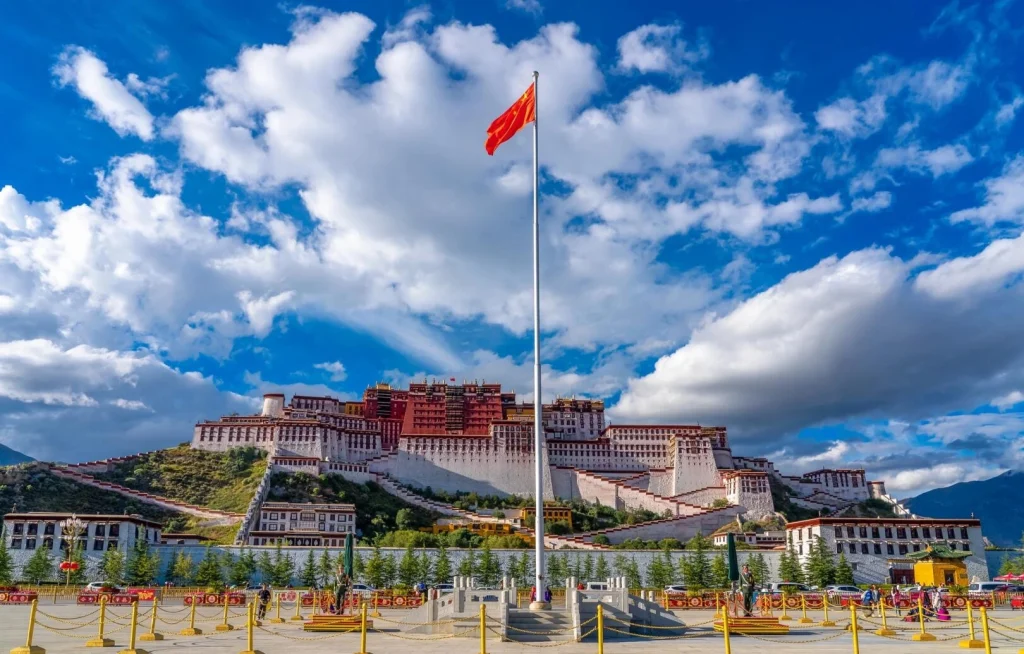
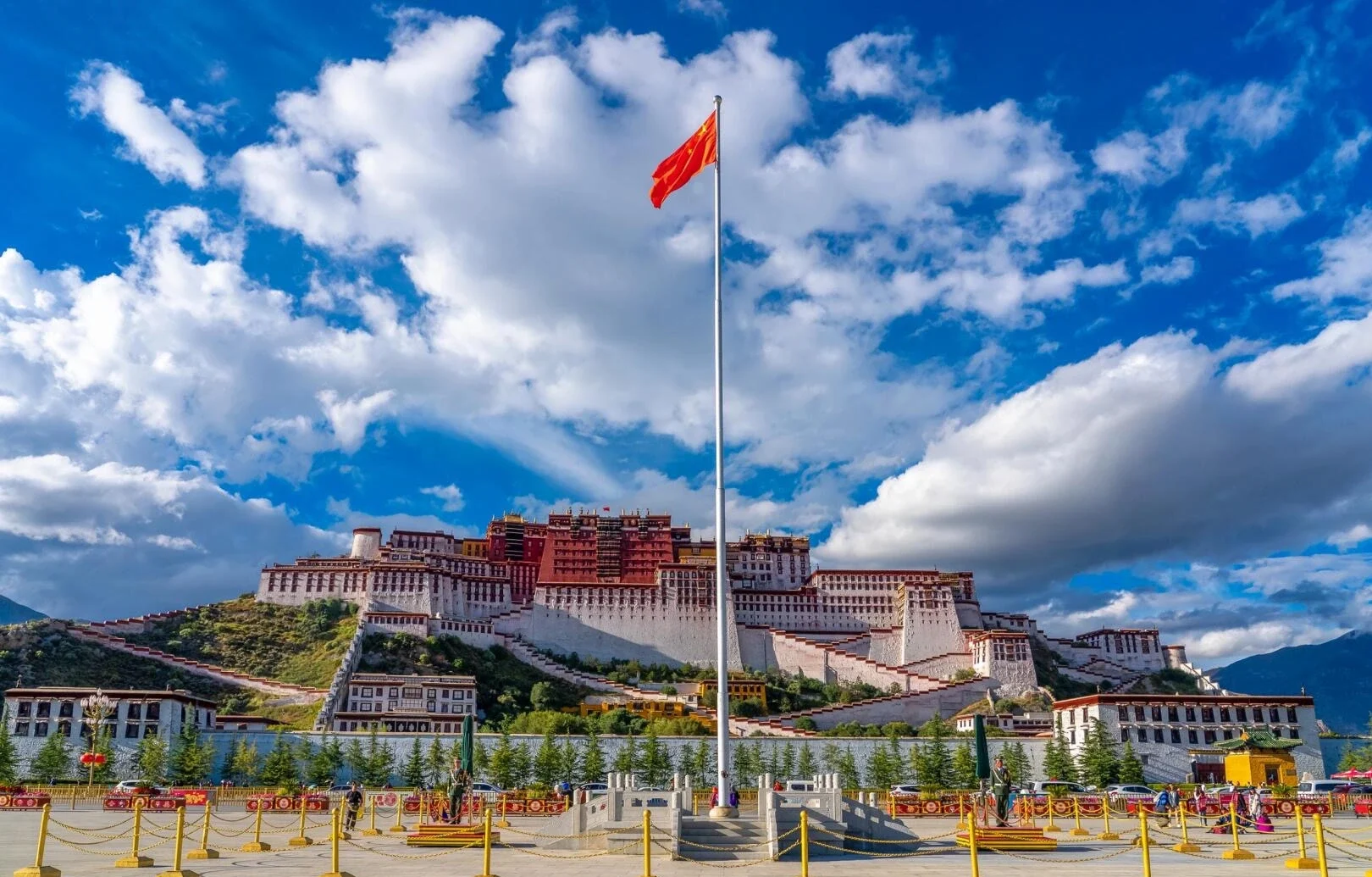
Potala Palace Lhasa Landmark
For most first-time visitors, this is still the safest place to stay in Lhasa. It gives the strongest balance of classic sightseeing, practical movement, food access, and a steadier start at altitude. Compared with deeper old-town stays or railway-side stays, it keeps the city’s main sights and daily needs within easier reach.
That said, this area is not always the quietest or the newest part of the city. Some hotels are older, some main-road locations can be noisy, and some stretches feel more practical than atmospheric. Even so, for a first Lhasa trip, this remains the clearest default answer because it makes arrival, adjustment, and sightseeing easier than almost anywhere else.
Shangri-La Lhasa(拉萨香格里拉大酒店)
A high-comfort first-trip base with one of the safest balances of oxygen support, service, and overall reliability in Lhasa.
Best for: first-time visitors, families, comfort-first travelers, and anyone who wants the safest all-around premium stay
Rating: 4.8/5
Price range: about RMB 1,200–2,000 per night
Pros: strong oxygen and comfort support; steadier sleep logic than many smaller old-town stays; polished international-brand service; useful for travelers who want to reduce arrival stress and recovery risk
Cons: clearly expensive; not the most atmospheric old-town setting; less walk-out immersion than staying closer to the old core
Verdict: the safest all-around pick here if you want the lowest-risk, highest-comfort start to a first Lhasa trip
Minshan Hotel Lhasa Potala Palace(西藏岷山饭店·拉萨布达拉宫店)
A better-value central stay for travelers who want strong location logic, reliable oxygen support, and a more manageable price.
Best for: practical travelers, couples, short stays, and visitors who want better value near the Potala side
Rating: 4.7/5
Price range: about RMB 600–1,000 per night
Pros: very useful location for the Potala area; stronger first-trip efficiency than many quieter outer districts; good fit for travelers who want location and oxygen support without paying top luxury rates; some rooms have strong view upside
Cons: hotel age shows more than in newer premium properties; room feel can vary; strong dates push pricing up quickly
Verdict: the better-value pick here if you want strong first-trip logic, practical comfort, and a more realistic central price point
Atour Hotel Lhasa Potala Palace Square(亚朵酒店·拉萨布达拉宫广场店)
A steadier comfort-led stay for travelers who want predictable service and a simpler modern base in the central belt.
Best for: business-leisure travelers, solo travelers, and visitors who want a stronger comfort-oriented stay without paying full luxury prices
Rating: 4.7/5
Price range: about RMB 450–700 per night
Pros: stable chain standards; cleaner and more predictable than many aging central hotels; useful for travelers who care about smooth daily movement more than local character; easier choice for a lower-drama first stay
Cons: less distinctive than more local or luxury stays; atmosphere is weaker than deeper old-town areas; oxygen support may be less full-service than top-end hotels
Verdict: the stronger premium-and-comfort pick here if you want a reliable, efficient, lower-risk base in central Lhasa
Vienna Hotel Lhasa Potala Palace(维也纳酒店·拉萨布达拉宫店)
A workable backup if your first choices are full and you still want a practical central stay with strong day-to-day convenience.
Barkhor Street / Jokhang Temple / Old-Town Immersion Belt
Barkhor Street at Night
This side works better for old-town immersion, pilgrimage atmosphere, and cultural texture than for first-trip efficiency. It is stronger for travelers who care about Barkhor walks, Jokhang access, and staying close to Lhasa’s daily spiritual rhythm. It is an atmosphere-first alternative to the broader central belt.
The tradeoff is real. This area is better for cultural mood and old-town walking than for easy arrival and quiet rest. Noise is a real issue, old-building conditions vary more, and luggage handling or taxi drop-off can be weaker than in the broader central belt. This makes it a strong atmosphere-first alternative, not the default answer for every first-time visitor.
Gucang Shuhua Oxygenated Inn Jokhang Temple(古藏殊华供氧客栈·拉萨大昭寺店)
A culture-led stay with one of the safest balances of immersion, comfort, and oxygen support inside the old-town zone.
Best for: culture-focused travelers, couples, photographers, and visitors who want the safest all-around stay near Barkhor and Jokhang
Rating: 4.8/5
Price range: about RMB 800–1,300 per night
Pros: strong old-town identity; useful for travelers who want the stay itself to feel tied to Lhasa; better comfort and support than many smaller old-town inns; strong fit for atmosphere without dropping too far in sleep quality
Cons: clearly expensive for the district; access still depends on old-town walking logic; not as easy for luggage as broader-road central hotels
Verdict: the safest all-around pick here if you want real old-town immersion with less risk than a more basic inner-lane stay
Wunianyiban Guesthouse Lhasa(拉萨五年一班主题客栈)
A better-value old-town stay for travelers who care more about location and atmosphere than about polished hotel standards.
Best for: backpackers, younger travelers, budget-aware visitors, and travelers who want better value near the Barkhor side
Rating: 4.7/5
Price range: about RMB 150–300 per bed, or about RMB 300–500 for simple private rooms
Pros: strong location logic for old-town walking; easier social atmosphere than standard hotels; practical for travelers who want the district first and the room second; lower entry price than stronger boutique properties
Cons: comfort and privacy vary more; soundproofing is weaker; shared-style or host-led setups are not for everyone
Verdict: the better-value pick here if you want Barkhor atmosphere and location first, and can accept a more basic stay style
Bangdacang Ancient Building Hotel Lhasa(拉萨邦达仓古建酒店)
A stronger culture-led comfort choice for travelers who want more character, history, and a more memorable old-town stay.
Best for: culture lovers, photographers, couples, and visitors who want a stronger premium or heritage-led stay
Rating: 4.6/5
Price range: about RMB 500–800 per night
Pros: stronger heritage feeling than chain hotels; useful for travelers who treat the stay as part of the destination; more distinctive than standard comfort-first options; better fit for old-town mood and cultural texture
Cons: old-building tradeoffs remain real; insulation and quiet may be less stable than in newer hotels; some rooms feel more character-led than comfort-led
Verdict: the stronger premium-and-culture pick here if you want a more atmospheric and memorable old-town stay
Other newer boutique stays around Barkhor fringe lanes(八廓街外围新开精品客栈)
A workable backup if your first choices are full and you still want this district’s atmosphere-first logic, with careful screening for access, noise, and room condition.
Xianzudao / Lhasa River Side / Quieter Comfort Belt
Lhasa Xianzu Island View with Potala Palace
This side works better for quieter rest, newer hardware, and steadier sleep quality than for old-town immersion. It is stronger for families, comfort-first travelers, and visitors who care more about rest than about sleeping inside the old city. In pure hotel terms, it is more modern and calmer than the old core, which matters in Lhasa because poor rest can drag down the whole trip.
The tradeoff is clear. This area is better in pure hotel terms but weaker in classic Lhasa character terms. Stronger hotels can carry premiums, old-town walking is weaker, and some parts feel quiet or less lively at night. This is the right answer when the stay itself matters more than sleeping inside the old city.
InterContinental Lhasa Paradise(拉萨圣地天堂洲际大饭店)
A large-scale premium stay with one of the safest balances of oxygen support, full facilities, and rest-first comfort on the quieter side of the city.
Best for: families, comfort-first travelers, longer stays, and visitors who want the safest all-around stay in the quieter comfort belt
Rating: 4.7/5
Price range: about RMB 900–1,500 per night
Pros: strong full-service setup; better family logic than many smaller old-town stays; useful for travelers who want more rest support and hotel facilities; calmer sleep environment than busier central belts
Cons: less atmospheric than the old town; sightseeing depends more on taxi movement; large-property feel can be less personal
Verdict: the safest all-around pick here if you want rest quality, hotel facilities, and a calmer recovery-friendly stay
Hilton Garden Inn Lhasa(拉萨希尔顿花园酒店)
A better-value branded choice for travelers who want newer hardware and a steadier overall stay without paying top luxury rates.
Best for: practical comfort-seekers, business-leisure trips, and visitors who want a better-value branded stay in a quieter part of Lhasa
Rating: 4.7/5
Price range: about RMB 600–1,000 per night
Pros: strong brand consistency; newer-feeling rooms than many central properties; useful for travelers who want better sleep quality and cleaner hotel logic; easier fit for travelers who value steadier comfort over immersion
Cons: weaker walk-out access to the old town; less sense of place than old-city stays; still more expensive than practical mid-range city options
Verdict: the better-value branded pick here if you want a smoother, quieter stay at a more manageable premium level
JI Hotel Lhasa Jiangsu Road(全季酒店·拉萨江苏路店)
A practical comfort-led stay for travelers who want predictable chain quality, decent rest, and a simpler modern base.
Best for: families, solo travelers, and visitors who want a stronger premium or family-friendly stay without luxury pricing
Rating: 4.7/5
Price range: about RMB 400–600 per night
Pros: dependable chain standards; easier and calmer stay logic than many older central inns; useful for travelers who want cleaner rooms and less uncertainty; good fit for a rest-first trip rhythm
Cons: standard chain style; weaker destination feel; old-town access still depends on vehicle movement
Verdict: the stronger premium-and-family pick here if you want practical comfort, steadier rest, and lower decision risk
Atour Hotel Lhasa riverside/newer district options(亚朵酒店·拉萨新区/河畔同类酒店)
A workable backup if your first choices are full and you still want a quieter, newer-feeling stay with stable service logic.
Near Lhasa Railway Station / Practical Transit Logic
Lhasa Railway Station
This side works better for train timing and short practical stays than for tourism atmosphere. It is useful for late arrivals, early departures, and one-night stopovers when the goal is simply to arrive, sleep, and leave with as little friction as possible.
It is not a real sightseeing base. Function comes first and experience comes second, and choosing it for a normal first Lhasa trip usually weakens the stay by pulling you away from the city’s most useful visitor areas.
Vienna Hotel Lhasa Railway Station(维也纳酒店·拉萨火车站店)
A reliable transit-side stay with one of the safest balances of station convenience, oxygen support, and overnight practicality in this area.
Best for: rail stopovers, late arrivals, early departures, and travelers who want the safest all-around stay near the station
Rating: 4.6/5
Price range: about RMB 300–450 per night
Pros: practical station logic; useful transfer support; better overnight predictability than many smaller stopover stays; good fit for travelers who want a lower-risk transit night
Cons: little tourism value; surroundings remain function-first; weaker fit for anyone trying to use this area as a city base
Verdict: the safest all-around pick here if train timing is the real reason and you still want a more comfortable overnight stay
JI Hotel Lhasa Railway Station(全季酒店·拉萨火车站店)
A steadier mid-range chain choice for travelers who want a cleaner, simpler transfer stay with fewer surprises.
Best for: practical travelers, short stopovers, and visitors who want a mid-range stable chain pick near the railway side
Rating: 4.7/5
Price range: about RMB 350–500 per night
Pros: dependable chain standards; practical stopover logic; lower decision risk than many small local railway hotels; useful for travelers who mainly need convenience and predictability
Cons: standard business-hotel feel; weak destination atmosphere; limited value if your trip is not built around rail timing
Verdict: the mid-range stable chain pick here if you want straightforward railway convenience and a more predictable overnight stay
City Comfort Inn Lhasa Railway Station(城市便捷酒店·拉萨火车站店)
A practical low-budget stopover for travelers who mainly need the cheapest workable bed near the station.
Best for: strict-budget travelers, simple stopovers, and visitors who want the best low-budget practical stay near Lhasa Railway Station
Rating: 4.5/5
Price range: about RMB 250–380 per night
Pros: lower entry price; practical for simple overnight use; useful when train timing matters more than anything else; easier on budget than stronger branded options
Cons: basic setup; weaker comfort ceiling; little value beyond transport convenience
Verdict: the best low-budget practical pick here if train timing matters more than comfort and you only need a simple overnight
Ibis Lhasa Railway Station(宜必思酒店·拉萨火车站店)
A workable backup if your first transit choices are full and you still want a straightforward station-side overnight with simple transfer logic.
How to Think About Where to Stay in Lhasa
Start by deciding what your trip is really built around: first-time sightseeing efficiency, old-town immersion, quieter rest, or pure rail transit.
Do not treat staying in Lhasa as one single experience. Different parts of the city create very different rhythms, especially once rest quality and altitude adjustment become part of the decision.
Choose the Potala Palace and Beijing Middle Road side when you want the safest first-trip balance of sightseeing, food access, and daily movement.
Choose the Barkhor Street and Jokhang Temple side when old-town atmosphere and cultural texture matter more than convenience.
Choose the quieter newer areas when sleep quality and a calmer room environment matter more than sleeping inside the old city.
Treat station-side stays as practical, not memorable.
If you stay only 1–2 nights, the wrong area can clearly reduce efficiency.
If you want both old-town atmosphere and better rest, decide which one is primary.
Area choice usually matters more than tiny review-score differences.
Best Area to Stay in Lhasa by Travel Style
Travel style
Best area
Why
Watch out for
First-time visitors
Potala Palace / Beijing Middle Road / Old Central Convenience Belt
Best overall balance of sightseeing, food, and practical movement
Some stretches are busier and less atmospheric
Classic Lhasa atmosphere seekers
Potala Palace / Beijing Middle Road / Old Central Convenience Belt
Strongest classic city logic with easy access to the main landmarks
Some hotels are older and some main-road sections are noisy
Old-town walk and culture travelers
Barkhor Street / Jokhang Temple / Old-Town Immersion Belt
Best for old-town texture, Barkhor walks, and deeper cultural feeling
Arrival, luggage handling, and quiet rest are weaker
Quieter comfort seekers
Xianzudao / Lhasa River Side / Quieter Comfort Belt
Better sleep quality, newer rooms, and steadier overall stay conditions
Old-town walking convenience is weaker
Families
Xianzudao / Lhasa River Side / Quieter Comfort Belt
Calmer environment and easier rest make the stay smoother
You usually need taxis for the main old-city sights
Comfort-first travelers
Xianzudao / Lhasa River Side / Quieter Comfort Belt
Better pure hotel experience and a more recovery-friendly stay
Less classic Lhasa atmosphere outside the hotel
Rail stopovers
Near Lhasa Railway Station / Practical Transit Logic
Best for late arrivals, early departures, and simple station transfers
Very weak sightseeing value
Budget travelers
Potala Palace / Beijing Middle Road / Old Central Convenience Belt
Best chance to stay efficient without adding too much transport friction
Need to screen carefully for heating, noise, and room condition
Where Not to Stay in Lhasa for Most Tourists
Avoid outer areas and cheap suburban stays chosen mainly for price. They may look cheaper, but the savings often disappear in repeated taxi rides, weaker food access, and a slower, more tiring trip rhythm.
Do not use station-side stays as sightseeing bases unless train timing is the real reason. They work for transit logic, not for a proper first Lhasa trip.
Avoid awkward in-between areas that are neither efficient for sightseeing nor especially strong for comfort, rest quality, or local atmosphere.
Be cautious with very old low-cost stays repeatedly criticized for poor heating, unstable hot water, odor, weak soundproofing, hard access, or misleading location claims.
Skip places that seem cheaper but make meals, walking, and the whole daily rhythm harder than they need to be.
Be especially careful with deep old-town stays that create too much luggage difficulty and too much rest friction for most first-time travelers.
These places are not necessarily bad. They are usually just the wrong fit for most first-time Lhasa visitors focused on sightseeing, old-town walks, food, practical rest, and easy daily movement.
How Much Should You Budget for Staying in Lhasa?
Budget level
Typical nightly range
What to expect
Best-fit areas
Budget
RMB 220–380
Basic but workable rooms, often with clearer tradeoffs on heating, room size, soundproofing, or oxygen setup. Best when price matters more than hotel polish.
Railway-side stopovers, simpler older central stays, some budget old-town options
Mid-range
RMB 380–650
The most practical range for most travelers. You can usually get a comfortable stay, a useful location, and at least a reasonable balance of rest and convenience.
Better rooms, steadier service, stronger rest conditions, and a better chance of reliable oxygen support or a more polished overall stay.
Stronger central hotels, better quieter-riverside stays, selected culture-led boutique stays
Luxury
RMB 1,100+
Premium branded hotels, stronger altitude-ready support, fuller facilities, and the best chance of landmark views, better rest, and lower-risk comfort.
Prime central stays, stronger branded hotels, top quieter-comfort properties
Lhasa is not always expensive by national standards, but altitude-ready stays and stronger central locations can carry obvious premiums. The real gap usually comes from area, oxygen support, season, holiday demand, and whether the stay offers real old-town or landmark-view value. For most travelers, a mid-range budget is already enough for a practical and comfortable stay. Prime central stays, oxygen-supported rooms, stronger branded hotels, and better-view rooms can rise clearly above the city average. For a broader travel spending benchmark, see Cost to Travel in China.
Practical Tips for Choosing Where to Stay in Lhasa
Lock the area first, then compare hotels inside it. In Lhasa, the right location usually matters more than a slightly higher score in the wrong place.
Do not rely only on labels like “near Potala Palace” or “near old town.” Check the real map position and the actual route from the drop-off point. At this altitude, even a short walk can feel very different from a short walk in lower cities.
In the old town, check oxygen support, heating, hot water, quietness, and whether luggage access is difficult. These details matter more here than many first-time visitors expect.
For atmosphere-heavy stays, decide whether the old-town feeling is really worth the tradeoff in convenience and rest.
Quieter newer areas are fine for comfort, but decide honestly whether the extra commuting is worth it for your trip style.
Staying near the station is fine for transport timing, but it is usually much weaker for sightseeing.
Dinner access, breakfast convenience, pharmacy access, and evening walkability directly affect stay value, especially during your first days in Lhasa.
Families should check elevators, heating, luggage access, nearby food, and overall rest quality, not just ratings and photos.
Transport convenience is not just about distance. It is also about whether taxis, pickup help, and real door-to-door access work smoothly.
In recent reviews, focus on oxygen support, heating, hot water, noise, smell, old-building issues, luggage difficulty, taxi access, and whether the location is truly practical.
Book early for major holidays and peak Tibet travel dates. The better rooms in the strongest areas disappear fast.
It also helps to review broader China Travel Tips before locking in your stay.
FAQs About Where to Stay in Lhasa
Where is the best area to stay in Lhasa for first-time visitors?
For most first-time visitors, the best area is around the Potala Palace and Beijing Middle Road. It gives the strongest balance of sightseeing access, food convenience, practical movement, and a safer first-trip setup. Unless old-town atmosphere matters much more than convenience, this is usually the most reliable base.
Is it better to stay near the old town or in a quieter newer area?
For most first trips, staying near the old town is better. It makes sightseeing easier and reduces daily transport friction. A quieter newer area works better only if rest quality and a calmer room environment matter more to you than being close to the main sights.
Is the old-town core a good place to stay in Lhasa?
Yes, but it depends on what kind of traveler you are. The old-town core is excellent for atmosphere, walking, and cultural immersion. It is less ideal if you want easier arrival, steadier sleep, and smoother luggage handling. It works best when experience matters more than convenience.
Are hotels around the old town too noisy or too old?
Some are, but not all. The real issue is screening, not the whole area itself. In Lhasa, older buildings, weaker soundproofing, and uneven heating or hot water can matter a lot, so recent reviews are especially important. The best-located stays can still be worth it if the room conditions are solid.
Is a quieter newer district a good place to stay?
Yes, if comfort is your priority. These areas usually give you better sleep, newer rooms, and a steadier overall hotel experience. The tradeoff is that they are weaker for old-town walking and classic Lhasa atmosphere, so they suit comfort-first travelers better than first-time culture-first travelers.
Should I stay near Lhasa Railway Station?
Only if train timing is the real reason. It works well for late arrivals, early departures, or a one-night transfer stay. For a normal Lhasa trip, it is usually too far from the city’s main sightseeing logic to be the smartest base.
Should I stay near the airport side?
Usually no. The airport is far enough from central Lhasa that airport-side stays are rarely useful as sightseeing bases. They only make sense for unusually late arrivals, very early departures, or a purely functional overnight.
How much does a hotel in Lhasa usually cost?
A workable budget stay often starts around RMB 220–380. A solid mid-range stay usually falls around RMB 380–650. Better comfort stays often run from RMB 650–1,100, and luxury hotels start above that. Prices climb noticeably in peak Tibet travel season and around major holidays.
I’m Anthony, the founder and editor of The China Journey.
I create practical, experience-based guides covering travel, food, and culture across China, with a focus on helping international travelers make clear planning decisions.
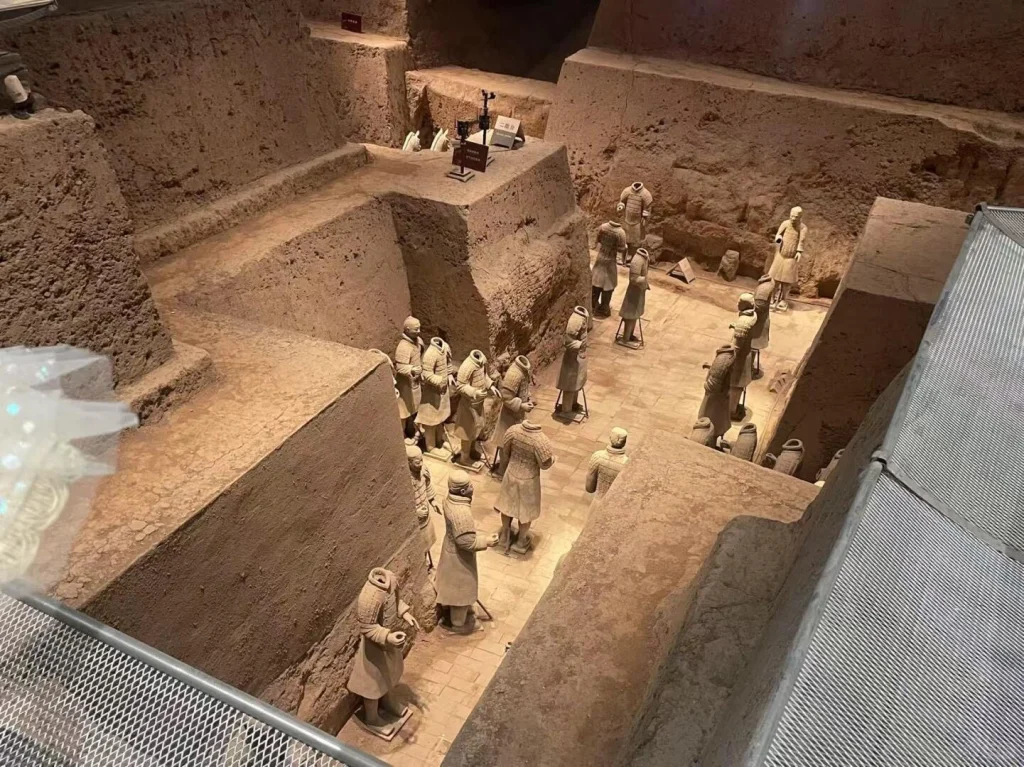
A typical Terracotta Warrior weighs about 180 kg (396 lbs). Lighter kneeling figures are around 100 kg, while heavier generals and horses can exceed 300 kg.
A calm and steady 2026 forecast for people born in 1959, covering career, wealth, relationships, health, and guidance for a balanced and secure year.
Plan Your China Trip with Our Experts
Share your travel ideas, and we’ll help you plan a smooth, personalized trip across China.
Plan Your China Trip with Our Experts
Share your travel ideas, and we’ll help you plan a smooth, personalized trip across China.
Work with Us as a Local Guide in China
We’re looking for experienced, part-time local guides to serve international travelers.
Requirements:
• Fluent in at least one foreign language • 3–5 years guiding international visitors • Able to operate in multiple regions in China • Competitive and reasonable pricing • Proven customer reviews or testimonials • Professional, reliable, and responsive • Flexible availability for custom trips
Just a quick heads-up — a helpful user named Volker let me know that some of the non-English content on this site may not be accurate.
This site is a one-person project I run part-time. I research and publish all the content myself, and the translations are currently done by machine (Google Translate). Balancing accuracy and accessibility across multiple languages is a real challenge.
If you spot any errors, I recommend switching to the English version using the button at the bottom left. I’ll continue working to improve the translations over time.
I truly appreciate your understanding. And if you have any suggestions, feel free to leave a comment — it means a lot to me.