What Is Dim Sum?

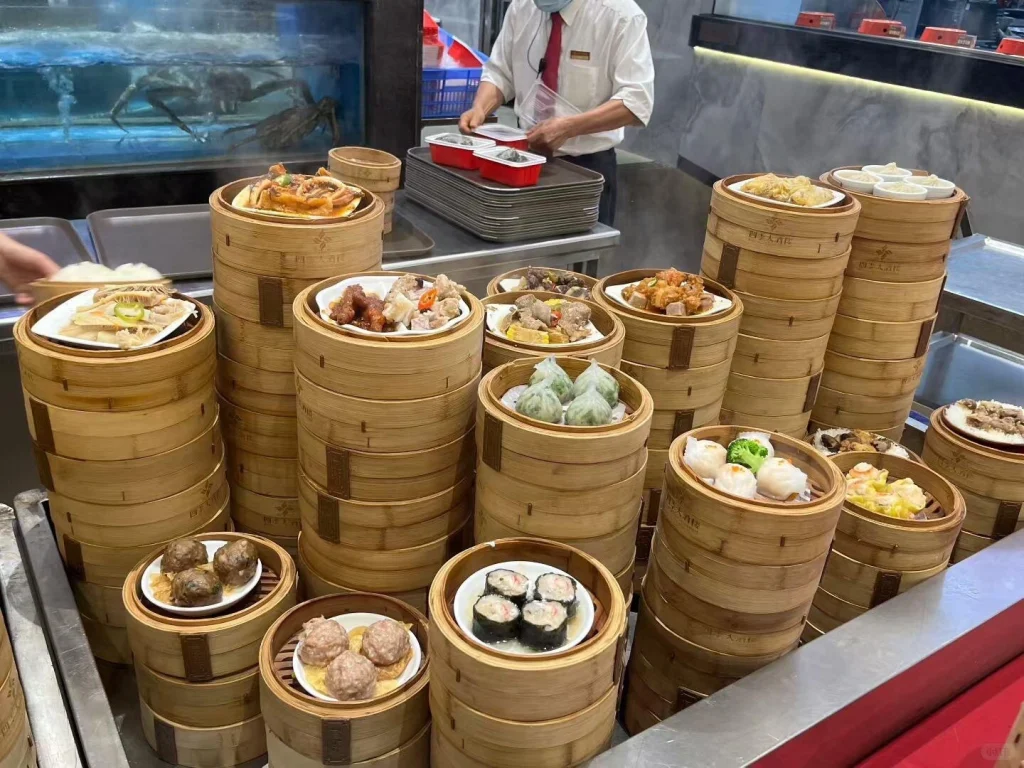
Traditional Pushcart Dim Sum Service – Bamboo steamers stacked with freshly made dim sum at a classic Chinese teahouse, capturing the lively atmosphere of authentic Cantonese morning tea - What Is Dim Sum? A Beginner’s Guide to Chinese Tea Food 2026 - The China Journey - What Is Dim Sum? A Beginner’s Guide to Chinese Tea Food 2026 - The China Journey
Dim sum is a traditional Chinese style of dining where small dishes are shared with tea, reflecting social culture, slow living, and communal meals.
Traditional Pushcart Dim Sum Service – Bamboo steamers stacked with freshly made dim sum at a classic Chinese teahouse, capturing the lively atmosphere of authentic Cantonese morning tea - What Is Dim Sum? A Beginner’s Guide to Chinese Tea Food 2026 - The China Journey - What Is Dim Sum? A Beginner’s Guide to Chinese Tea Food 2026 - The China Journey

Table of Contents

What Is Dim Sum?

Dim sum is a traditional Chinese dining style featuring small, shared dishes served with tea, most commonly during a meal known as yum cha.

Quick answers for first-time readers:

  • Dim sum is not one dish, but a variety of small plates meant for sharing.
  • It is traditionally enjoyed in the morning or at lunch, though many places serve it all day.
  • Dim sum is eaten slowly with tea, focusing on variety, conversation, and shared dining.

In the early morning tea houses of Guangzhou, bamboo steamers rise with warm clouds of aroma.

Friends gather around small tables, slowly pouring tea and sharing delicate bites—this is yum cha, a ritual deeply woven into daily life in southern China.

At the heart of this tradition sits dim sum, the small dishes that turn tea time into a shared social experience.

Traditional Cantonese dim sum in bamboo steamers - What Is Dim Sum? A Beginner’s Guide to Chinese Tea Food 2026 - The China Journey - What Is Dim Sum? A Beginner’s Guide to Chinese Tea Food 2026 - The China Journey
Traditional Cantonese dim sum in bamboo steamers

For many Chinese families, dim sum is more than food.

It’s how weekends begin, how generations connect, and how conversations unfold without hurry.

For travelers, sitting down for a dim sum meal offers one of the most natural ways to understand Chinese social life—no formal etiquette, no pressure, just tea, small plates, and shared moments.

This guide is written for travelers and culture lovers who want to go beyond the menu.

From learning how dim sum works, to ordering with confidence, exploring regional styles, and finding authentic tea houses, it’s designed to help you experience dim sum the way locals do—slowly, thoughtfully, and with curiosity.

Dim Sum Basics & Dining Customs

How to Enjoy Yum Cha Without Feeling Awkward

If you want to enjoy dim sum comfortably, you don’t need to learn everything.

Understanding a few key ideas is enough to feel relaxed and confident at the table.

Guangzhou Restaurant Dim Sum Assorted dim sum in bamboo steamers with tea at Guangzhou Restaurant - What Is Dim Sum? A Beginner’s Guide to Chinese Tea Food 2026 - The China Journey - What Is Dim Sum? A Beginner’s Guide to Chinese Tea Food 2026 - The China Journey
Guangzhou Restaurant Dim Sum

What “Yum Cha” Really Means

In China, Yum Cha (饮茶) does not mean “just drinking tea.”

It is a casual social activity where people eat small dishes, talk, and spend time together.

In this setting:

  • Dim sum is the main attraction

  • Tea is the perfect companion

The richness of the food balances the tea, and the tea refreshes the palate between bites.

One does not make sense without the other.

A Simple Starting Point: “One Pot, Two Dishes”

Traditional Cantonese dim sum feast with buns and dumplings - What Is Dim Sum? A Beginner’s Guide to Chinese Tea Food 2026 - The China Journey - What Is Dim Sum? A Beginner’s Guide to Chinese Tea Food 2026 - The China Journey
Traditional Cantonese dim sum feast

A classic beginner-friendly setup is called “one pot, two dishes.”

  • One pot = a shared pot of tea

  • Two dishes = any two dim sum items

This is the easiest way to start, especially for first-time visitors.

If you’re dining with more people, it’s common to order several dishes and share them slowly, tasting a little of everything.

Why Dim Sum Is Always Shared

Dim sum is designed for family-style sharing, not individual plates.

All dishes arrive in small portions and are placed in the center of the table. Everyone takes a little from each dish. When ordering, it’s polite to consider the group’s preferences instead of choosing only personal favorites.

This shared style reflects a core Chinese dining idea:
food is about connection, not just eating.

Simple Table Manners That Matter

 
Traditional Cantonese tea service at Shenzhen Dim Sum restaurant DimDouDuck - What Is Dim Sum? A Beginner’s Guide to Chinese Tea Food 2026 - The China Journey - What Is Dim Sum? A Beginner’s Guide to Chinese Tea Food 2026 - The China Journey
Traditional Cantonese tea service at Shenzhen Dim Sum restaurant DimDouDuck

You don’t need to memorize rules.

These small details are enough to feel respectful:

Pouring tea

  • Guests first, then the host

  • Elders first, then younger people

  • If someone pours tea for you, gently tap the table with two fingers to say thank you
    (this is known as the “tea tap”)

Ordering

  • Take turns choosing dishes

  • Check with others before ordering popular items

Eating

  • Use serving chopsticks for shared dishes if provided

  • Move food to your own plate before eating

  • Avoid digging through dishes or tapping chopsticks on bowls

Two Ways to Order Dim Sum

Depending on the restaurant, you’ll see one of these styles:

 
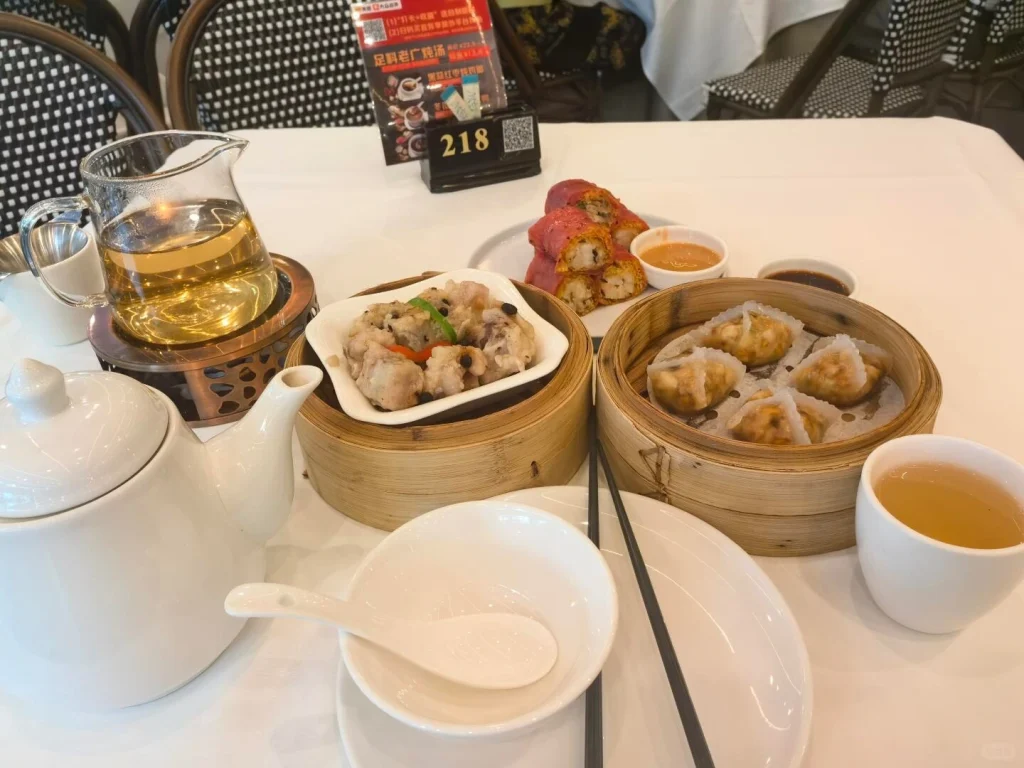
Guangzhou Yum Cha Table Setup – Traditional Cantonese dim sum breakfast with bamboo steamers, hot tea, and shared dishes in a classic Guangzhou teahouse - What Is Dim Sum? A Beginner’s Guide to Chinese Tea Food 2026 - The China Journey - What Is Dim Sum? A Beginner’s Guide to Chinese Tea Food 2026 - The China Journey
Guangzhou Yum Cha Table Setup

Traditional rolling carts

Servers push carts around the dining room, and you choose dishes by sight.

This style feels lively and nostalgic—great for a classic Yum Cha experience.

Modern menu or QR ordering

Most restaurants now offer photo menus or QR-code ordering, often with English options.

This is more precise and especially friendly for first-time diners.

Both are normal. Choose what feels most comfortable.

How to Order Dim Sum

A Beginner-Friendly Guide That Actually Works

Once you understand the basics of Yum Cha, the next step—and often the most confusing one—is ordering.

The good news?

Dim sum menus follow a clear logic. If you know how dishes are grouped, ordering becomes easy and stress-free.

Read the Menu by Texture, Not by Name

Most dim sum menus are organized by cooking method, which directly affects texture and flavor.

Start here, and you won’t feel lost.

 
Tao Tao Ju Dim Sum Menu at Guangzhou Baiyun Airport – Photo menu showcasing steamed buns, dumplings, fried dim sum, desserts, and tea options at Tao Tao Ju teahouse - What Is Dim Sum? A Beginner’s Guide to Chinese Tea Food 2026 - The China Journey - What Is Dim Sum? A Beginner’s Guide to Chinese Tea Food 2026 - The China Journey
Tao Tao Ju Dim Sum Menu at Guangzhou Baiyun Airport

1. Steamed Dim Sum

This is the heart of Yum Cha. Steaming keeps flavors light and fresh.

Classics like shrimp dumplings and siu mai belong here.

If you prefer clean, delicate tastes, start with this section.

2. Pan-Fried & Deep-Fried Dim Sum

Crispy on the outside and rich in aroma. Think taro dumplings or spring rolls.

Perfect if you enjoy crunchy textures and bolder flavors.

3. Glutinous Rice & Rice Noodle Rolls

Soft, filling, and comforting. Items like sticky rice wrapped in lotus leaf or rice noodle rolls are more substantial and work well as a “main.”

4. Meat & Savory Dishes

Hearty and deeply seasoned.

Steamed spare ribs or beef balls fall into this group.

They pair especially well with tea, which helps balance the richness.

5. Desserts

Sweet, gentle, and meant to finish the meal.

Egg tarts or mango pudding are common choices and never feel too heavy when paired with tea.

Ordering Tips & Portion Guide for First-Timers

 
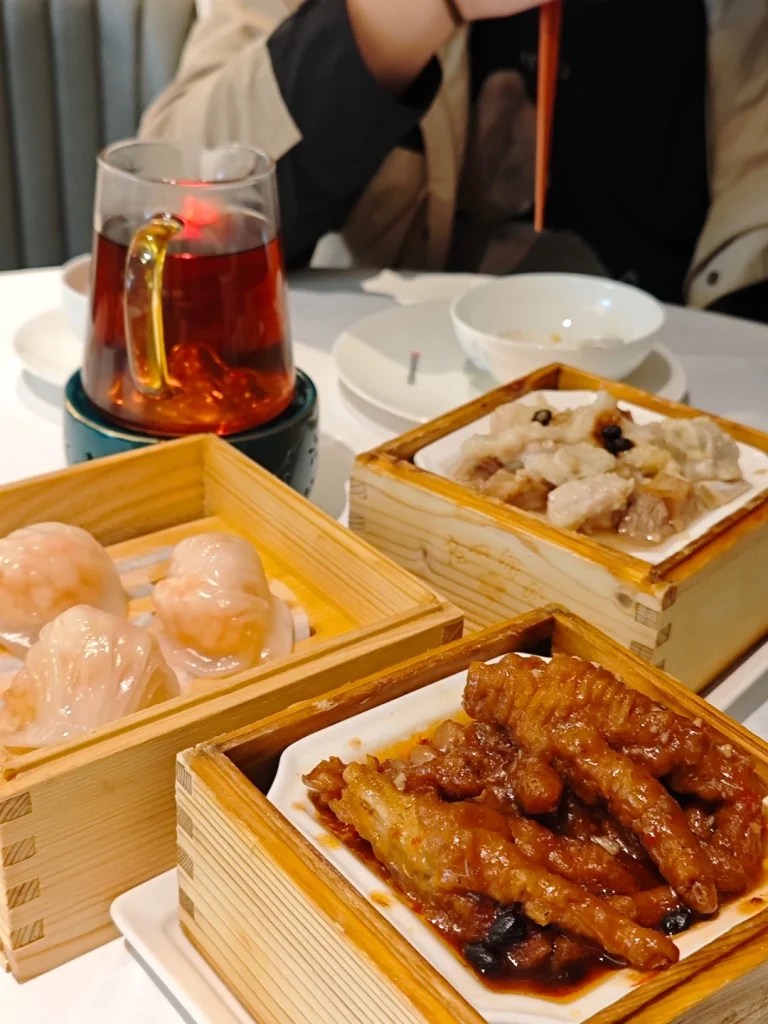
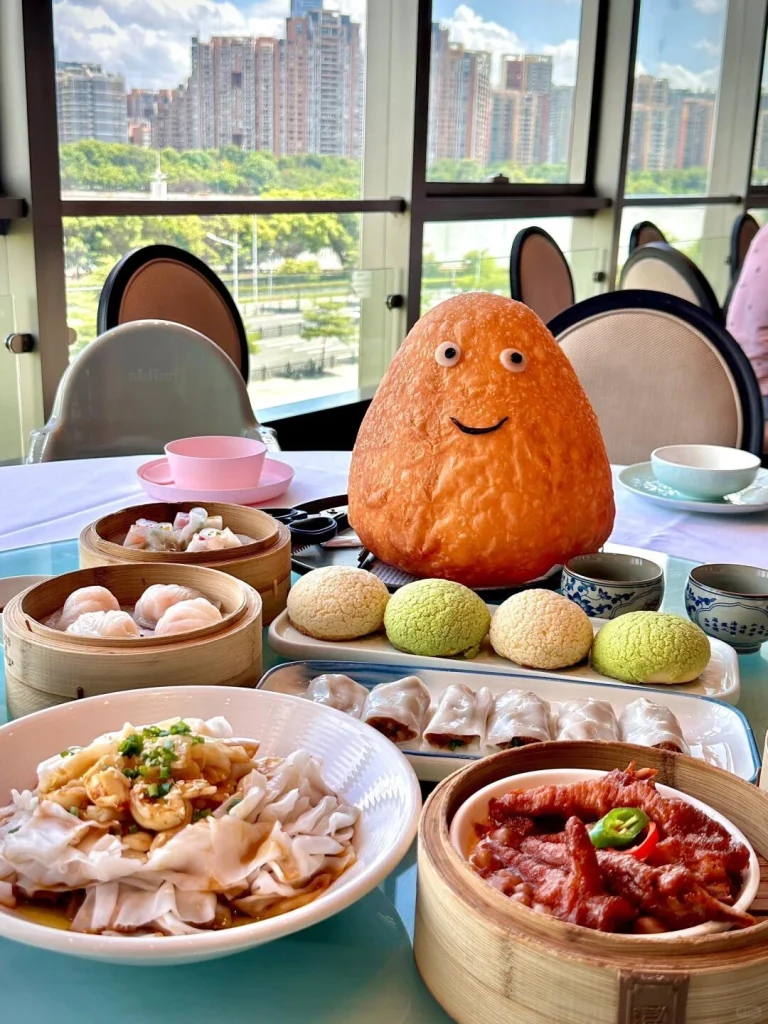
Classic Guangzhou Dim Sum Spread – Assorted Cantonese dim sum including har gow, siu mai, chicken feet, and buns served in wooden steamers - What Is Dim Sum? A Beginner’s Guide to Chinese Tea Food 2026 - The China Journey - What Is Dim Sum? A Beginner’s Guide to Chinese Tea Food 2026 - The China Journey

A simple rule works every time: classics first, specialties second.

If it’s your first dim sum experience, begin with safe classics like shrimp dumplings, siu mai, or BBQ pork buns. These are popular for a reason and rarely disappoint.

If you want to explore further, just ask the staff:
“Recommend some dim sum for beginners.”
Most restaurants are happy to help.

Portion guide (to avoid waste):

  • 2–3 people: order 6–8 dishes

  • 4–6 people: order 10–12 dishes

Always leave room for 1–2 dessert items to complete the experience.

Tea & Dim Sum: Simple Pairings That Work

You don’t need to be a tea expert.

These basic pairings are enough:

  • Fried or meat-heavy dishes → Pu’er or Tieguanyin (cuts through oiliness)

  • Sweet desserts → Chrysanthemum tea or Jasmine tea (balances sweetness)

  • Light steamed dishes → Almost any tea works; Jasmine or Tieguanyin are safe choices

When in doubt, Jasmine tea is the easiest all-round option.

Useful Phrases for Ordering

Worried about communication?

These phrases go a long way.

Ordering

  • A pot of Pu’er tea, please.

  • Recommend some dim sum for beginners.

Requests

  • We need forks and knives.

  • Is this dim sum vegetarian?

Paying

  • Bill, please.

  • We’d like to split the bill.

Most dim sum restaurants that welcome travelers understand these requests, even if English is basic. Just speak slowly and confidently.

Must-Try Classic Dim Sum

Steamed Dim Sum (Must-Try Classics)

Steamed dim sum is the soul of Yum Cha.

These dishes look simple, but they reveal the true skill of a dim sum kitchen.

When I try a new teahouse, I always start here.

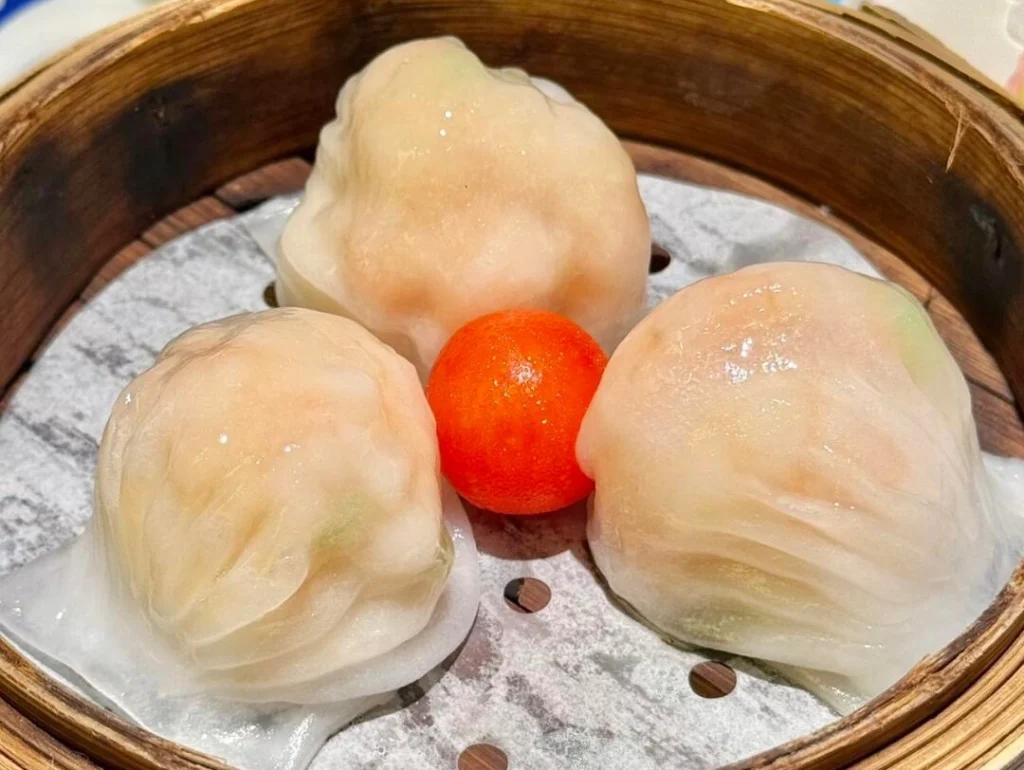
Har Gow (Shrimp Dumplings 虾饺)

Steamed shrimp dumplings har gow in bamboo steamer, Cantonese dim sum breakfast - What Is Dim Sum? A Beginner’s Guide to Chinese Tea Food 2026 - The China Journey - What Is Dim Sum? A Beginner’s Guide to Chinese Tea Food 2026 - The China Journey
Steamed shrimp dumplings har gow in bamboo steamer

Often called the king of dim sum, Har Gow features translucent wrappers folded around whole shrimp. The skin should be thin yet elastic, with clean shrimp sweetness inside.

Rating: ⭐⭐⭐⭐⭐ (5/5)

My take: Whenever I judge a dim sum restaurant, Har Gow is the first thing I order. A good one has skin thin enough to see the shrimp through, but strong enough not to tear. The shrimp should be juicy, springy, and never fishy. If the Har Gow is done right, I know the rest of the menu is usually safe to explore.

Siu Mai (Pork Dumplings 烧卖)

Steamed shumai dumplings with pork and shrimp, popular Cantonese breakfast dim sum - What Is Dim Sum? A Beginner’s Guide to Chinese Tea Food 2026 - The China Journey - What Is Dim Sum? A Beginner’s Guide to Chinese Tea Food 2026 - The China Journey
Steamed siu mai dumplings

Siu Mai is a pork-based dumpling mixed with shrimp or mushrooms, topped with crab roe. Compared to Har Gow, it’s richer and more savory, with a soft yet meaty bite.

Rating: ⭐⭐⭐⭐☆ (4.8/5)

My take: I like Siu Mai when the filling feels loose and juicy, not dense or greasy. The crab roe on top shouldn’t overpower the pork—it’s there to add aroma, not heaviness. This is one of those dishes that disappears fast once it hits the table, especially when shared.

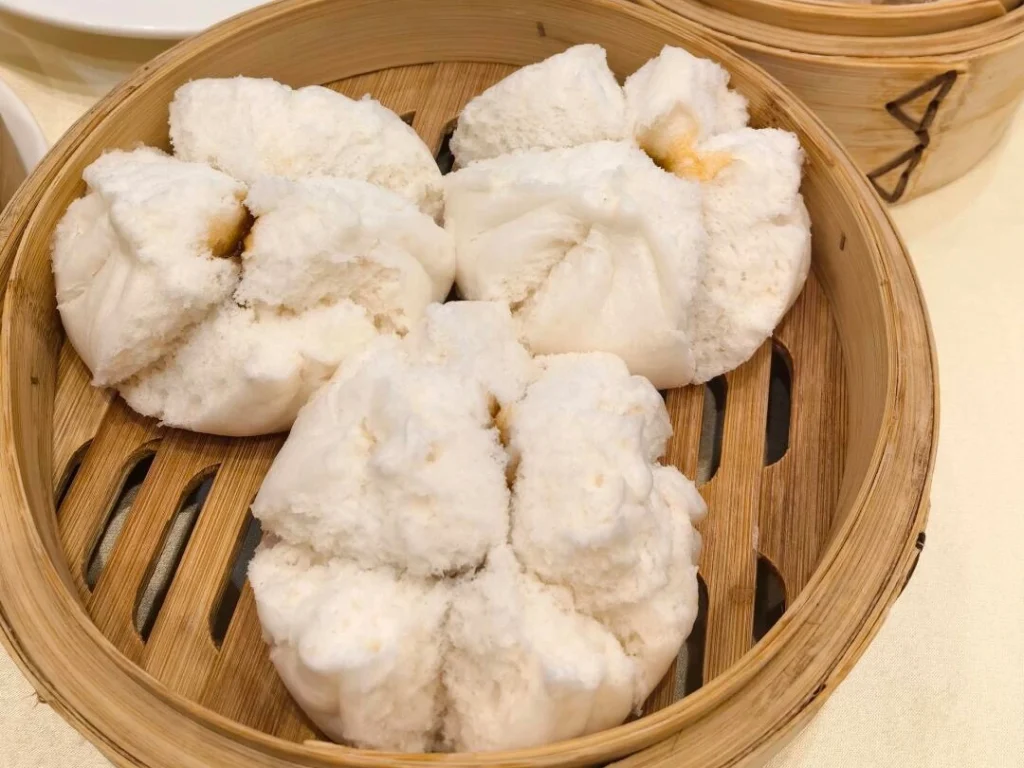
Char Siu Bao (BBQ Pork Buns 叉烧包)

Steamed barbecue pork buns char siu bao, fluffy Cantonese breakfast staple - What Is Dim Sum? A Beginner’s Guide to Chinese Tea Food 2026 - The China Journey - What Is Dim Sum? A Beginner’s Guide to Chinese Tea Food 2026 - The China Journey
Steamed barbecue pork buns char siu bao

Char Siu Bao is a soft, fluffy bun filled with sweet-savory BBQ pork. Served hot, the filling should be glossy and slightly saucy.

Rating: ⭐⭐⭐⭐⭐ (4.9/5)

My take: This is my go-to recommendation for first-timers. The bun should feel light, almost cloud-like, and the pork filling should be balanced—not too sweet, not too salty. When it’s freshly steamed, the sauce gently melts into the bun, making it comforting and easy to love, even if you’re new to Chinese food.

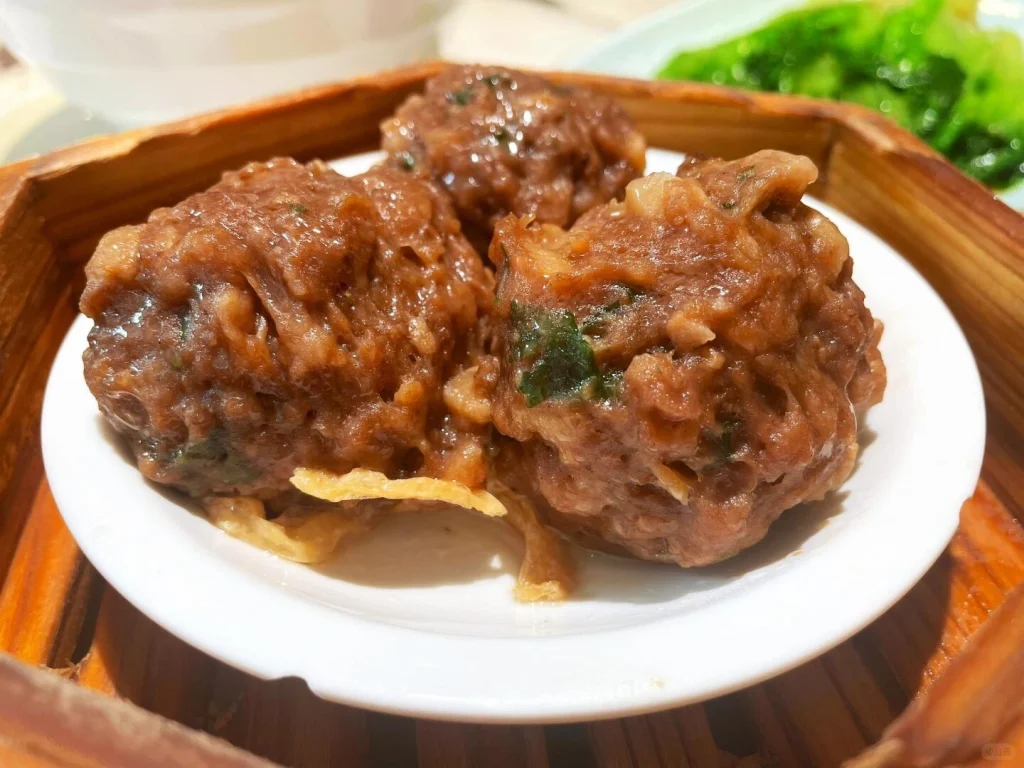
Beef Balls (Steamed Beef Balls 牛肉球)

Steamed Beef Balls (Niurou Wan) – Close up of Cantonese steamed beef balls, juicy and springy in texture, served in a bamboo steamer - What Is Dim Sum? A Beginner’s Guide to Chinese Tea Food 2026 - The China Journey - What Is Dim Sum? A Beginner’s Guide to Chinese Tea Food 2026 - The China Journey
Steamed Beef Balls (Niurou Wan)

Steamed beef balls are made from finely minced beef mixed with seasoning and dried tangerine peel. The texture is springy rather than crumbly.

Rating: ⭐⭐⭐⭐☆ (4.7/5)

My take: A good beef ball should bounce slightly when you bite into it. I always look for that subtle citrus note from dried tangerine peel—it cuts through the richness beautifully. Add a little chili sauce if you like heat, and this dish suddenly feels much more layered and satisfying.

Glutinous Rice & Rice Noodle Rolls

This category leans more toward comfort and fullness.

If steamed dumplings are light and delicate, these dishes feel closer to a main course—soft, warm, and deeply satisfying.

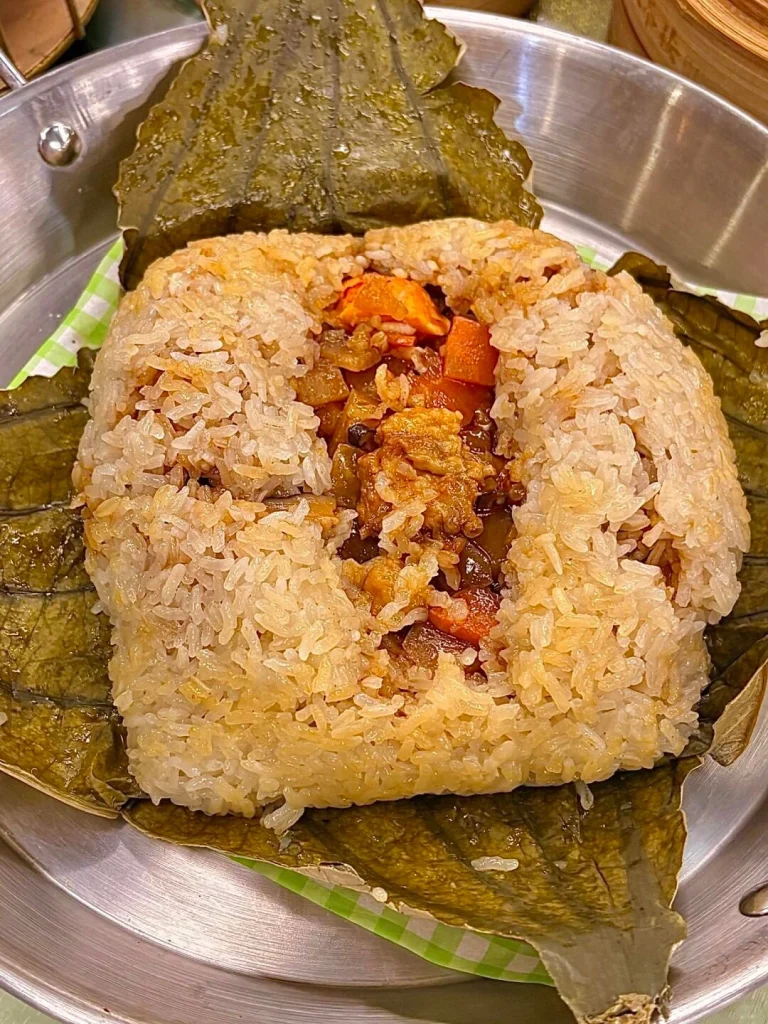
Glutinous Rice Chicken (Lo Mai Gai 糯米鸡)

Sticky Rice Chicken (Lo Mai Gai) – Traditional glutinous rice wrapped in lotus leaf, filled with chicken, mushrooms, and Chinese sausage - What Is Dim Sum? A Beginner’s Guide to Chinese Tea Food 2026 - The China Journey - What Is Dim Sum? A Beginner’s Guide to Chinese Tea Food 2026 - The China Journey
Sticky Rice Chicken (Lo Mai Gai)

Glutinous rice chicken is wrapped in lotus leaf and filled with sticky rice, chicken, mushrooms, and Chinese sausage. Steaming allows the rice to absorb all the savory juices and herbal aroma from the leaf.

Rating: ⭐⭐⭐⭐☆ (4.6/5)

My take: This is the dish I order when I’m actually hungry. The lotus leaf aroma hits you first, then comes the rich, savory rice underneath. Every spoonful feels filling and comforting, almost like a warm home-style meal. I usually share one per table—it’s heavy, but very satisfying.

Cheong Fun (Rice Noodle Rolls 肠粉)

Cantonese rice noodle rolls with minced pork and soy sauce, classic Guangdong breakfast dim sum - What Is Dim Sum? A Beginner’s Guide to Chinese Tea Food 2026 - The China Journey - What Is Dim Sum? A Beginner’s Guide to Chinese Tea Food 2026 - The China Journey
Cantonese rice noodle rolls with minced pork and soy sauce

Cheong Fun features silky rice sheets rolled around shrimp, pork, or beef, finished with a light soy-based sauce. The texture is smooth, soft, and delicate.

Rating: ⭐⭐⭐⭐☆ (4.8/5)

My take: A well-made Cheong Fun should slide easily across the plate and almost melt in your mouth. I personally love the shrimp version—the contrast between the soft rice sheet and the juicy filling is perfect. It’s light, clean-tasting, and ideal if you prefer gentle flavors.

Zha Liang (Rice Noodle Rolls with Fried Dough 炸两)

Zha Liang (Rice Noodle Roll with Fried Dough) – Cantonese dim sum combining silky rice noodle rolls wrapped around crispy youtiao for contrasting textures - What Is Dim Sum? A Beginner’s Guide to Chinese Tea Food 2026 - The China Journey - What Is Dim Sum? A Beginner’s Guide to Chinese Tea Food 2026 - The China Journey
Zha Liang (Rice Noodle Roll with Fried Dough)

Zha Liang combines soft rice noodle rolls with crispy fried dough inside. It’s often served with sweet sauce or soy sauce for dipping.

Rating: ⭐⭐⭐⭐☆ (4.5/5)

My take: This one is all about contrast. The rice roll is soft and slippery, while the fried dough inside stays crunchy. I like dipping it lightly into sweet sauce—it brings everything together without overpowering the texture. It’s fun, different, and great for sharing at the table.

Pan-Fried & Fried Dim Sum

These are the dim sum dishes I usually order when I want richer flavors and stronger texture contrast.

They’re slightly heavier than steamed items, but incredibly satisfying when done right.

Taro Dumplings (Wu Gok 芋角)

Taro Dumplings (Wu Gok) – Deep fried Cantonese taro dumplings with crispy shell and savory pork filling, served during yum cha - What Is Dim Sum? A Beginner’s Guide to Chinese Tea Food 2026 - The China Journey - What Is Dim Sum? A Beginner’s Guide to Chinese Tea Food 2026 - The China Journey
Taro Dumplings (Wu Gok)

Taro dumplings feature a crispy, lacy shell filled with mashed taro, pork, and mushrooms. When fried properly, the outside turns golden and airy while the inside stays soft and fragrant.

Rating: ⭐⭐⭐⭐☆ (4.7/5)

My take: This is one of my personal favorites. The outer shell shatters lightly when you bite into it, and the taro filling inside is creamy and aromatic without feeling greasy. A good Wu Gok shows real skill—when I see this on the menu, I almost always order it.

Spring Rolls (Chun Juan 春卷)

Cantonese Spring Rolls – Golden fried spring rolls with thin crispy skin and vegetable filling, commonly served at dim sum brunch - What Is Dim Sum? A Beginner’s Guide to Chinese Tea Food 2026 - The China Journey - What Is Dim Sum? A Beginner’s Guide to Chinese Tea Food 2026 - The China Journey
Cantonese Spring Rolls

Spring rolls are filled with finely chopped vegetables and minced meat, wrapped in thin pastry, and fried until crisp. They’re usually served with vinegar or a light dipping sauce.

Rating: ⭐⭐⭐⭐☆ (4.6/5)

My take: These are simple but very dependable. The wrapper should be thin and crackly, not oily. I like dipping them lightly in vinegar—it cuts through the richness and keeps the flavors clean. They’re easy to share and hard to stop eating.

Pan-Fried Dumplings (Jian Jiao 煎饺)

Pan Fried Dumplings – Cantonese style pan fried dumplings with crispy bottoms and juicy meat filling, served as a tea snack - What Is Dim Sum? A Beginner’s Guide to Chinese Tea Food 2026 - The China Journey - What Is Dim Sum? A Beginner’s Guide to Chinese Tea Food 2026 - The China Journey
Pan Fried Dumplings

Pan-fried dumplings have a golden, crispy base with a soft top and juicy meat filling inside. They’re pan-seared, then lightly steamed to lock in moisture.

Rating: ⭐⭐⭐⭐☆ (4.8/5)

My take: What makes Jian Jiao great is the contrast. The crispy bottom adds real texture, while the filling stays juicy and flavorful. This is one of those “safe choices” I recommend to first-timers—it’s familiar, satisfying, and rarely disappointing.

Meat & Savory Dim Sum

These dishes are where dim sum starts to feel truly comforting.

They’re more savory, a little heavier, and perfect when paired with strong tea like Pu’er.

Steamed Spare Ribs (Steamed Pai Gu 蒸排骨)

Steamed Spare Ribs with Black Bean Sauce – Classic dim sum dish featuring tender pork ribs steamed with fermented black beans - What Is Dim Sum? A Beginner’s Guide to Chinese Tea Food 2026 - The China Journey - What Is Dim Sum? A Beginner’s Guide to Chinese Tea Food 2026 - The China Journey
Steamed Spare Ribs with Black Bean Sauce

Steamed spare ribs are cut into small pieces and cooked with fermented black beans, garlic, and chili. The meat turns tender while the cartilage becomes soft and easy to chew.

Rating: ⭐⭐⭐⭐☆ (4.7/5)

My take: When done well, this dish is incredibly satisfying. The ribs should be soft but not mushy, with the black bean sauce soaking deep into the meat. I like that subtle hint of heat—it wakes up your appetite. I usually pair this with Pu’er tea, which balances the richness perfectly.

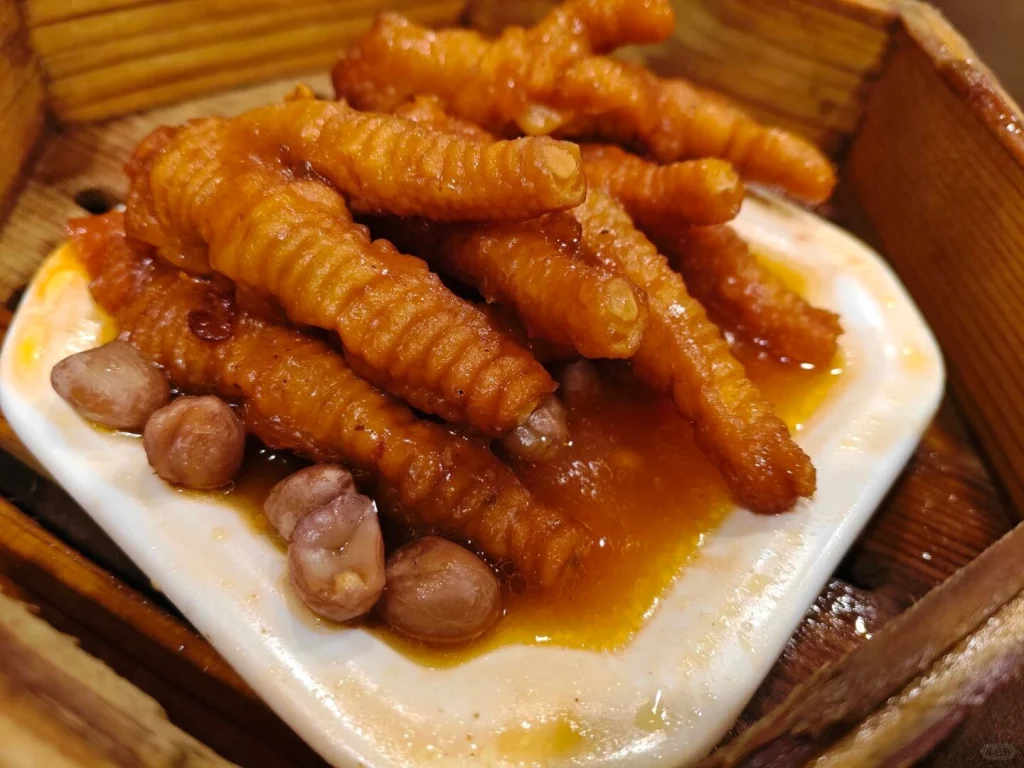
Phoenix Claws (Feng Zhua 凤爪)

Steamed Chicken Feet Dim Sum – Classic Cantonese chicken feet braised in rich sauce, served in a bamboo steamer with glossy texture - What Is Dim Sum? A Beginner’s Guide to Chinese Tea Food 2026 - The China Journey - What Is Dim Sum? A Beginner’s Guide to Chinese Tea Food 2026 - The China Journey
Steamed Chicken Feet Dim Sum

Phoenix claws are chicken feet that have been deep-fried, then braised in a savory sauce until the skin turns soft and gelatinous and the bones loosen easily.

Rating: ⭐⭐⭐⭐☆ (4.6/5)

My take: This is a classic dim sum dish that surprises many first-time visitors. The texture is soft and sticky, and the sauce penetrates all the way to the bone. It’s rich but not overwhelming, especially with tea. I don’t order it every time, but when I do, I’m always glad I did.

Desserts

Dim sum desserts are usually gentle rather than overly sweet.

They’re meant to end the meal on a calm, refreshing note—especially after rich or fried dishes.

Egg Tart (Dan Tat 蛋挞)

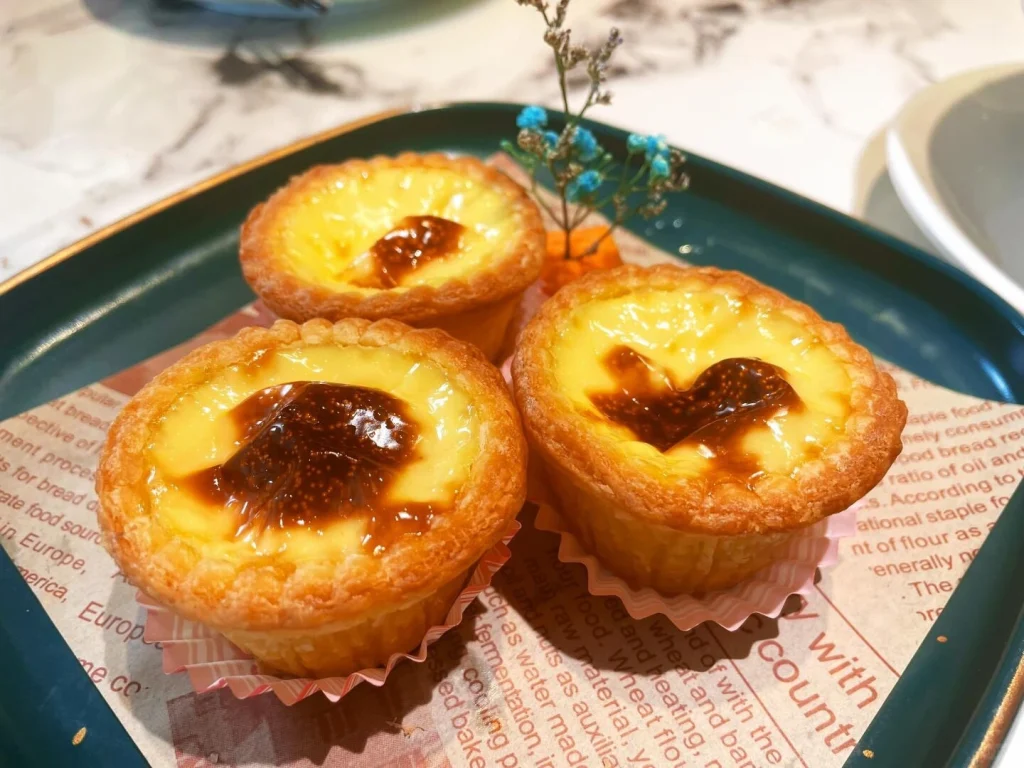
Egg Tarts at Donghu Restaurant, Guangzhou – Golden Cantonese egg tarts with flaky crust and creamy custard, freshly baked for traditional yum cha - What Is Dim Sum? A Beginner’s Guide to Chinese Tea Food 2026 - The China Journey - What Is Dim Sum? A Beginner’s Guide to Chinese Tea Food 2026 - The China Journey
Egg Tarts at Donghu Restaurant, Guangzhou

Egg tarts are small custard pastries with a flaky crust and a smooth, creamy filling. In dim sum restaurants, they’re often a lighter, less sweet version of Portuguese egg tarts.

Rating: ⭐⭐⭐⭐⭐ (5/5)

My take: This is one dessert I almost always order. A good egg tart should have a crisp, layered crust and a custard center that’s silky, almost pudding-like. The sweetness is subtle, not heavy, which makes it easy to enjoy even after a full meal. One is never enough.

Mango Pudding (Mango Bu Ding 芒果布丁)

Guangzhou Mango Pudding Dim Sum – Smooth mango pudding with fresh fruit flavor, a popular sweet dessert at Cantonese dim sum tables - What Is Dim Sum? A Beginner’s Guide to Chinese Tea Food 2026 - The China Journey - What Is Dim Sum? A Beginner’s Guide to Chinese Tea Food 2026 - The China Journey
Guangzhou Mango Pudding Dim Sum

Mango pudding is a chilled dessert made with fresh mango puree, milk or cream, and gelatin. It’s light, slightly bouncy, and very refreshing.

Rating: ⭐⭐⭐⭐☆ (4.8/5)

My take: I like ordering this when the meal feels a bit rich. The mango flavor should be clean and natural, not artificial. Served cold, it’s cooling and soothing, especially in warmer weather. It’s simple, but it does its job perfectly as a palate cleanser.

Water Chestnut Cake (Ma Ti Gao 马蹄糕)

Water Chestnut Cake (Ma Ti Gao) – Translucent Cantonese water chestnut cake with layered texture, lightly sweet and served as classic dim sum - What Is Dim Sum? A Beginner’s Guide to Chinese Tea Food 2026 - The China Journey - What Is Dim Sum? A Beginner’s Guide to Chinese Tea Food 2026 - The China Journey
Water Chestnut Cake (Ma Ti Gao)

Water chestnut cake is a steamed dessert made from water chestnut flour and chopped water chestnuts. It has a translucent look and a lightly crunchy texture.

Rating: ⭐⭐⭐⭐☆ (4.7/5)

My take: This is a very traditional dessert, and I always appreciate its restraint. It’s gently sweet, never sticky, and the little pieces of water chestnut add a pleasant crunch. After heavier dim sum dishes, this feels clean and refreshing—quietly satisfying rather than showy.

Modern & Creative Dim Sum

Beyond the classics, many teahouses now experiment with new ideas.

Creative Modern Dim Sum in Guangzhou – Innovative Cantonese dim sum presentation combining traditional flavors with playful modern designs - What Is Dim Sum? A Beginner’s Guide to Chinese Tea Food 2026 - The China Journey - What Is Dim Sum? A Beginner’s Guide to Chinese Tea Food 2026 - The China Journey
Creative Modern Dim Sum in Guangzhou

Flavor Innovations

Durian shrimp dumplings, cheese BBQ pork buns, matcha custard buns, and black truffle siu mai blend Western ingredients with traditional techniques.

I’ve found these especially popular with younger diners and adventurous eaters.

Visual & Format Innovations

Oversized “king” shrimp dumplings, rainbow rice rolls colored with vegetable juice, and cartoon-shaped buns (like pig-shaped BBQ buns or panda custard buns) are clearly designed for photos—and they’re surprisingly good, not just gimmicks.

Health-Focused Options

Whole-wheat buns, low-fat vegetable dumplings, and sugar-free desserts make it easier to enjoy dim sum without guilt.

When I’m traveling and eating heavy meals daily, these options are a welcome balance.

Must-Visit Dim Sum Cities

Guangzhou

Dian Dou De (点都德)

guangzhou Dian Dou De (Beijing Road) - What Is Dim Sum? A Beginner’s Guide to Chinese Tea Food 2026 - The China Journey - What Is Dim Sum? A Beginner’s Guide to Chinese Tea Food 2026 - The China Journey
Guangzhou Dian Dou De (Beijing Road)

Dian Dou De is one of the most popular modern dim sum chains in Guangzhou. With locations across the city, English menus, and efficient service, it’s especially friendly for first-time visitors who want a smooth introduction to Cantonese dim sum.

Rating: ⭐ 4.3 / 5

My Take: The signature Golden Har Gow is plump and springy, while the red rice noodle rolls balance crisp and tender textures well. If you arrive before 11:00 a.m. on weekdays, waiting times are usually short. Overall, it’s good value and a stress-free choice for beginners.

Tao Tao Ju (陶陶居)

guangzhou Tao Tao Ju (Tenth Pu Road) - What Is Dim Sum? A Beginner’s Guide to Chinese Tea Food 2026 - The China Journey - What Is Dim Sum? A Beginner’s Guide to Chinese Tea Food 2026 - The China Journey
Guangzhou Tao Tao Ju

Founded in 1880, Tao Tao Ju is one of the most famous traditional Cantonese teahouses. Some branches lean upscale, with elegant interiors and refined plating, making it a popular spot for special occasions and heritage dining.

Rating: ⭐ 4.6 / 5

My Take: The durian swan pastry is as beautiful as it is indulgent, filled with real durian pulp rather than artificial paste. The cuttlefish roe siu mai stands out for its deep umami flavor. Service is polished, and the overall experience feels more ceremonial than casual—great for first-time “old brand” check-ins.

Lian Xiang Lou (莲香楼)

Lianxianglou Teahouse, Guangzhou – Historic Cantonese teahouse exterior known for traditional push cart dim sum and old Guangzhou atmosphere - What Is Dim Sum? A Beginner’s Guide to Chinese Tea Food 2026 - The China Journey - What Is Dim Sum? A Beginner’s Guide to Chinese Tea Food 2026 - The China Journey
Lianxianglou Teahouse, Guangzhou

Lian Xiang Lou is one of the few teahouses that still keeps the classic pushcart dim sum service. Expect shared tables, lively crowds, and servers wheeling carts stacked with steaming bamboo baskets—very old-school Guangzhou.

Rating: ⭐ 4.5 / 5

My Take: The pushcart system adds a sense of ritual you don’t get with QR-code ordering. The roast pork cubes and Malay sponge cake are must-orders. Grabbing dim sum straight from the cart while it’s still hot simply tastes better. This is the best place to experience traditional yum cha culture, not just eat it.

Hong Kong

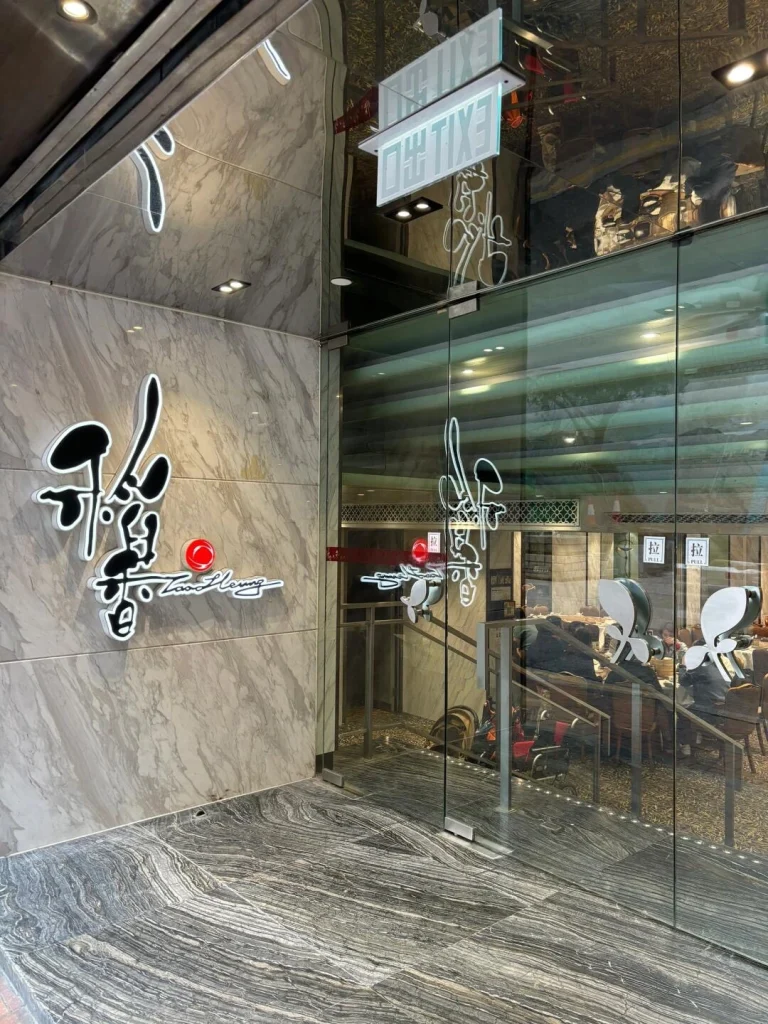
Di King Heen (稻香)

Dim Sum at Dao Xiang, Hong Kong – Affordable Hong Kong style dim sum spread with steamed dumplings, rolls, and classic tea service - What Is Dim Sum? A Beginner’s Guide to Chinese Tea Food 2026 - The China Journey - What Is Dim Sum? A Beginner’s Guide to Chinese Tea Food 2026 - The China Journey
Dim Sum at Dao Xiang, Hong Kong

Di King Heen is a well-known dim sum chain in Hong Kong with branches across the city. It’s popular with both locals and travelers thanks to consistent quality, frequent promotions, and a wide menu that’s easy to navigate.

Rating: ⭐ 4.4 / 5

My Take: The black bean–steamed chicken feet are soft and deeply flavored, and the rice noodle rolls are smooth without being soggy. Portions are generous, and it’s easy to stay within a reasonable budget—around HKD 100+ per person. Tea refills are self-serve and convenient, which makes long, relaxed meals easy. A solid, no-surprises choice.

Luk Yu Tea House (陆羽茶室)

Luk Yu Tea House, Hong Kong – Iconic heritage teahouse in Hong Kong with vintage decor, traditional Cantonese dim sum, and old world charm - What Is Dim Sum? A Beginner’s Guide to Chinese Tea Food 2026 - The China Journey - What Is Dim Sum? A Beginner’s Guide to Chinese Tea Food 2026 - The China Journey
Luk Yu Tea House, Hong Kong

Opened in 1933, Luk Yu Tea House is one of Hong Kong’s most iconic traditional teahouses. With its vintage Southeast Asian–inspired décor and staff in old-style uniforms, it feels more like stepping into history than dining out.

Rating: ⭐ 4.7 / 5

My Take: The atmosphere alone is worth the visit—quiet, elegant, and very photogenic. The scallion oil sparrow pastry is crisp and aromatic, while the steamed chicken balls are generously filled and perfectly seasoned. Pu’er tea here is especially fragrant. This is not a casual stop, but an excellent place to experience old Hong Kong’s refined dim sum culture.

Shanghai

Nanyuan Restaurant (南园酒家)

Nanyuan Restaurant, Shanghai – Elegant Jiangnan style restaurant blending Cantonese dim sum with Shanghai flavors in a garden setting - What Is Dim Sum? A Beginner’s Guide to Chinese Tea Food 2026 - The China Journey - What Is Dim Sum? A Beginner’s Guide to Chinese Tea Food 2026 - The China Journey
Nanyuan Restaurant, Shanghai

Nanyuan Restaurant is known for its Lingnan garden-style setting, with bridges, flowing water, and a calm, elegant atmosphere. The dim sum here leans slightly toward Shanghai’s sweeter flavor profile while keeping Cantonese foundations.

Rating: ⭐ 4.0 / 5

My Take: The setting is the highlight—peaceful and beautifully designed, perfect for a slow tea session. The soy sauce–glazed chicken feet are tender and fall off the bone, while the water chestnut cake is light, clean, and refreshing. Service can feel a bit uneven at busy times, but this is a good choice if you value atmosphere as much as the food.

Lvbolang Restaurant (绿波廊)

Lvbolang Restaurant, Shanghai – Famous Shanghai landmark restaurant serving refined dim sum and Jiangnan cuisine near Yuyuan Garden - What Is Dim Sum? A Beginner’s Guide to Chinese Tea Food 2026 - The China Journey - What Is Dim Sum? A Beginner’s Guide to Chinese Tea Food 2026 - The China Journey
Lvbolang Restaurant, Shanghai

Lvbolang is one of Shanghai’s most famous time-honored restaurants, located next to Yuyuan Garden. It’s best known for its refined Jiangnan-style dim sum, especially its crab roe specialties.

Rating: ⭐ 4.5 / 5

My Take: The crab roe soup dumplings are the clear standout—thin skin, rich filling, and an intense crab aroma that bursts with each bite. A dip in black vinegar balances the richness perfectly. Prices are on the higher side, but for seasonal crab roe, the quality feels authentic and worth trying at least once.

Chengdu

Long Chao Shou Restaurant (龙抄手食府)

Chengdu Long Chao Shou Restaurant Exterior – Traditional Sichuan style dim sum restaurant facade with red lanterns and historic brick architecture, showcasing Chengdu’s famous tea house culture - What Is Dim Sum? A Beginner’s Guide to Chinese Tea Food 2026 - The China Journey - What Is Dim Sum? A Beginner’s Guide to Chinese Tea Food 2026 - The China Journey
Chengdu Long Chao Shou Restaurant Exterior

Founded in 1941, Long Chao Shou is one of Chengdu’s most well-known time-honored snack restaurants. It’s famous for Sichuan-style wontons and offers a wide range of local dim sum-style dishes, making it an easy entry point for first-time visitors.

Rating: ⭐ 4.0 / 5

My Take: The red-oil wontons are the must-order here—bright red, aromatic, and full of numbing chili fragrance, with thin wrappers and springy filling. I like ordering a bowl of clear soup wontons alongside to balance the heat. The space feels traditional but tourist-friendly, with English menus and staff who can handle basic English. It’s affordable, filling, and a solid introduction to Chengdu snack culture.

Heming Teahouse (鹤鸣茶社)

Tea master performing long spout tea pouring at Heming Teahouse Chengdu - What Is Dim Sum? A Beginner’s Guide to Chinese Tea Food 2026 - The China Journey - What Is Dim Sum? A Beginner’s Guide to Chinese Tea Food 2026 - The China Journey
Tea master performing long spout tea pouring at Heming Teahouse Chengdu

Heming Teahouse is one of the oldest teahouses in Chengdu and sits right inside People’s Park. With bamboo chairs, wooden tables, Gaiwan tea, and ear-cleaning services, it captures the everyday rhythm of old Chengdu.

Rating: ⭐ 4.6 / 5

My Take: This is less about formal dim sum and more about atmosphere. I usually order a simple Gaiwan tea, then snack on chili-marinated chicken feet or sweet rice cakes while sitting for hours. Locals chat, play cards, or watch Sichuan opera performances nearby. It’s lively, relaxed, and incredibly authentic—one of the best places to understand Chengdu’s idea of “slow life.”

Best Time to Enjoy Dim Sum

Choosing the right time can completely change your dim sum experience, especially when traveling.

Morning Yum Cha (7:00–10:00)

This is when locals show up.

Dim sum is at its freshest, steamers are constantly refilled, and the classic tea-house atmosphere is at its peak.

If you want the most authentic experience, this is the best window.

Lunch Hours (11:00–14:00)

A more relaxed option for travelers.

Crowds thin out, queues are shorter, and service feels less rushed.

It’s ideal if you’re fitting dim sum into a packed sightseeing schedule.

Evening Tea (17:00–20:00)

Often overlooked but surprisingly practical.

Some restaurants offer lighter evening menus or small discounts, and it works well if you’re catching an early flight the next day or arriving late in the city.

How to Find Authentic Dim Sum Restaurants

You don’t need insider knowledge—just look for the right signals.

Follow the Locals

  • Tea houses filled with local diners are usually a safe bet

  • Older guests and family groups often signal quality

  • Short, orderly queues usually mean good turnover and freshness

Read the Menu Carefully

  • Look for words like “handmade,” “fresh daily,” or “made to order”

  • Traditional dim sum carts are often a sign of craftsmanship

  • Overly flashy or tourist-only menus can be a red flag

Check Traveler-Friendly Reviews

  • Prioritize places tagged as “local favorite”

  • English menus and international card support save time and stress

  • Mixed local + tourist reviews are often better than tourist-only praise

Ordering Tips for Special Diets & Preferences

Dim sum is more flexible than many travelers expect—just communicate clearly.

For vegetarians

Simply ask for vegetarian dim sum recommendations.

Most tea houses offer vegetable dumplings, mushroom siu mai, or rice noodle rolls with greens.

If you prefer mild or non-spicy food

Say “No spicy, please.”

Staff will usually suggest steamed dishes, clear flavors, or adjust seasoning where possible.

For food allergies

Always mention specific allergens such as seafood, peanuts, or shellfish before ordering.

Staff are generally helpful, but it’s best to double-check each dish to stay safe.

Origins & Cultural History

Dim sum may look delicate, but its history is surprisingly down-to-earth.

Traditional Pushcart Dim Sum Service – Bamboo steamers stacked with freshly made dim sum at a classic Chinese teahouse, capturing the lively atmosphere of authentic Cantonese morning tea - What Is Dim Sum? A Beginner’s Guide to Chinese Tea Food 2026 - The China Journey - What Is Dim Sum? A Beginner’s Guide to Chinese Tea Food 2026 - The China Journey
Traditional Pushcart Dim Sum Service

It started as practical food.

During the Tang Dynasty, traders traveling along the Silk Road often stopped at tea houses in southern China.

Drinking tea on an empty stomach wasn’t ideal, so tea houses began serving small steamed snacks—easy to eat, light, and filling.

These simple bites were the earliest form of dim sum.

Guangzhou shaped what we know today.

By the Qing Dynasty, Guangzhou had become a major trading port.

Tea houses multiplied, competition grew, and snacks became more refined.

This was when classics like shrimp dumplings and siu mai appeared, and yum cha evolved into a social habit—not just eating, but sitting, chatting, and relaxing over tea.

Then it spread and adapted.

From Guangzhou, dim sum traveled to Hong Kong and across China, later reaching Southeast Asia.

Each place added its own touch—sweeter flavors, spicier notes, or local ingredients—while keeping the core idea the same.

More than food, it became a lifestyle.

Today, dim sum is closely tied to family time, casual meetups, and slow mornings.

From my experience, sharing small dishes over tea is less about eating more—and more about spending time together.

Regional Styles of Dim Sum

Dim sum may have started in southern China, but as it traveled, it absorbed local flavors along the way.

What you taste today often reflects the place you’re in—its climate, habits, and food culture.

Cantonese Dim Sum (Guangzhou & Hong Kong)

Guangzhou Morning Tea Table Setting - What Is Dim Sum? A Beginner’s Guide to Chinese Tea Food 2026 - The China Journey - What Is Dim Sum? A Beginner’s Guide to Chinese Tea Food 2026 - The China Journey
Guangzhou Morning Tea Table Setting

If you want to understand dim sum at its roots, Guangzhou and Hong Kong are the places to start.

Guangzhou

In Guangzhou, dim sum focuses on freshness and balance.

Ingredients are kept simple, flavors are clean, and variety is impressive.

Traditional tea houses still use push carts, where servers roll steaming baskets past your table.

You point, they serve—it’s lively, casual, and deeply local.

Classic items like shrimp dumplings, siu mai, and BBQ pork buns taste the most “pure” here.

Hong Kong

Hong Kong takes the same foundation and polishes it.

Dim sum here is more refined, with careful presentation and subtle Western influence.

Many tea houses offer English menus and service tailored to international visitors.

Signature items like lava custard buns and mango pomelo sago highlight Hong Kong’s love for contrast—rich yet light, sweet yet balanced.

Regional Chinese Variations

As dim sum moved beyond Guangdong, it adapted quickly.

Xiaoyang Shengjian pan fried soup dumplings in Shanghai street food stall - What Is Dim Sum? A Beginner’s Guide to Chinese Tea Food 2026 - The China Journey - What Is Dim Sum? A Beginner’s Guide to Chinese Tea Food 2026 - The China Journey
Xiaoyang Shengjian pan fried soup dumplings

Shanghai

In Shanghai, dim sum leans slightly sweet and delicate, reflecting local tastes.

Crab roe soup dumplings are the standout—thin-skinned, juicy, and rich with seafood flavor.

Savory meat mooncakes, flaky outside and juicy inside, are another local favorite often enjoyed with tea.

Chengdu

In Chengdu, spice takes the lead.

You’ll find chili-oil wontons, numbing chicken feet, and even dan dan noodles appearing on dim sum tables.

Pairing these bold flavors with jasmine tea helps balance the heat and keeps the meal relaxed rather than overwhelming.

Beijing

Beijing-style dim sum feels calmer and more traditional.

Snacks like pea cake, rolling donkey (glutinous rice rolls), and sweet rice dumplings are mildly sweet and often paired with fragrant flower teas.

The experience is slow, comforting, and nostalgic.

Overseas Dim Sum & Fusion Styles

Dim sum didn’t stop at China’s borders.

In Southeast Asia, especially Singapore and Malaysia, it blends with Peranakan flavors.

Ingredients like coconut milk, pandan leaves, and tropical starches appear often.

Coconut sago cakes and pandan rice rolls bring a fragrant, slightly sweet twist that feels distinctly regional.

In Western countries, dim sum is often adapted for local palates.

Cheese, bacon, and avocado show up in modern versions, while stronger flavors and offal are toned down.

These dishes may not be traditional, but they play an important role—introducing dim sum to new audiences in a familiar way.

Dim Sum as a Cultural Experience

For many Chinese people, a table of freshly steamed dim sum is never just about eating.

It’s a quiet reflection of daily life—how families connect, how friends bond, and how relationships are built in a relaxed, unforced way.

Dim sum sits at the center of these moments, turning an ordinary meal into shared time.
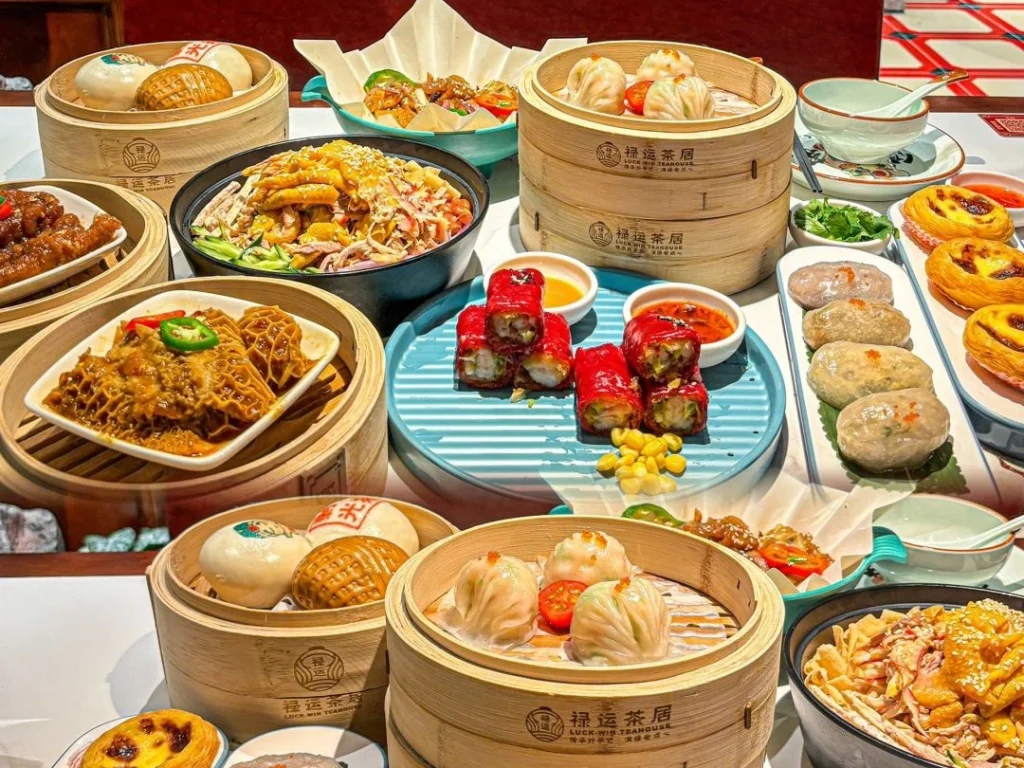
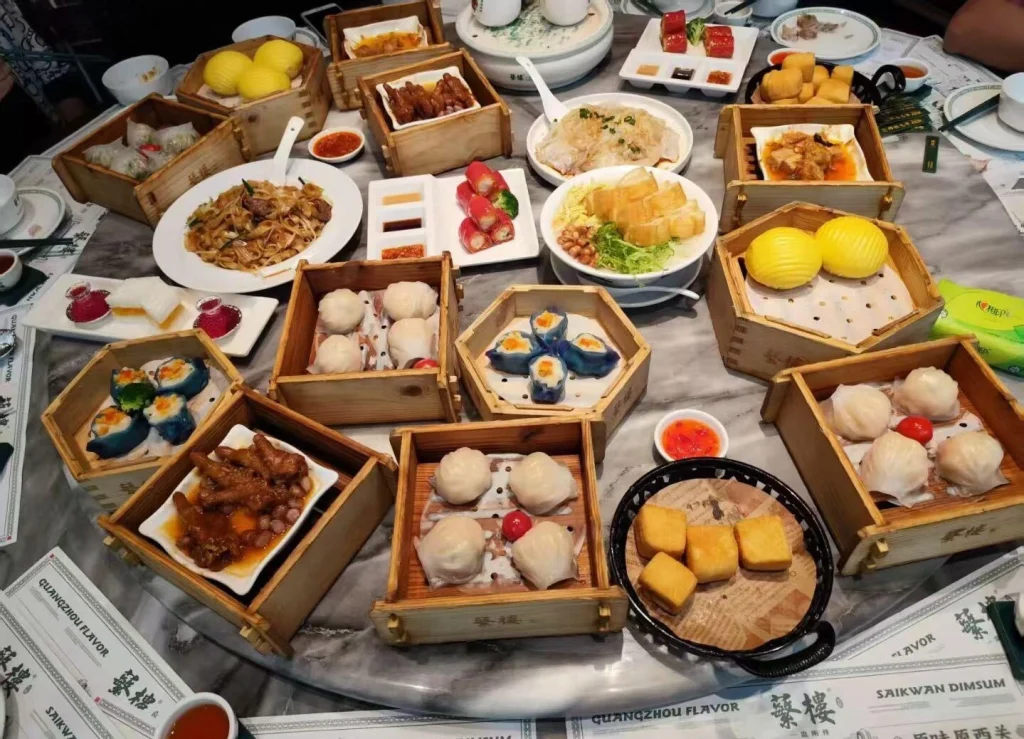
Full Cantonese Dim Sum Feast – Wide selection of Cantonese dim sum dishes arranged on a large table, featuring handmade dumplings, buns, desserts, and tea for a complete yum cha experience - What Is Dim Sum? A Beginner’s Guide to Chinese Tea Food 2026 - The China Journey - What Is Dim Sum? A Beginner’s Guide to Chinese Tea Food 2026 - The China Journey
Cantonese Dim Sum

Dim Sum and Family Life

Respect, care, and togetherness on the tea table

The dim sum table is one of the most important family spaces in Chinese life.

On weekends, it’s common to see younger family members taking parents or grandparents out for early tea.

Ordering their favorite dishes, pouring tea, and chatting slowly is a simple but meaningful way of showing care and respect.

There’s no rush, no formal occasion—just time spent together.

During festivals such as Chinese New Year or Mid-Autumn Festival, dim sum often becomes part of family reunions.

Sitting around the table, sharing small plates and conversation, the idea of “togetherness” is felt naturally, not spoken aloud.

Social Life at a Slower Pace

Dim sum is also closely tied to casual socializing.

Friends meet without pressure.

There’s no strict order, no fixed portions—just a few baskets, a pot of tea, and space to talk.

Even business conversations often happen over dim sum, precisely because the atmosphere is informal.

Without the structure of a formal dinner, communication feels easier and more natural.

This slow rhythm is intentional.

Dim sum isn’t meant to be rushed.

The pace encourages listening, sharing, and connection.

What Dim Sum Reveals About Chinese Values

Sharing food, sharing meaning

If food helps us understand a culture, dim sum offers a clear window into Chinese values.

  • Shared dishes reflect the idea of harmony and togetherness. Small portions placed at the center of the table invite everyone to taste a little of everything—no clear boundaries, no separation.

  • Tea etiquette, such as tapping fingers on the table to say thank you, shows quiet respect without drawing attention.

  • Flavor balance—especially in Cantonese dim sum—highlights moderation. Instead of heavy seasoning, the focus is on natural freshness, echoing a preference for balance over extremes.

Through these small details, dim sum quietly expresses ideas of respect, restraint, and collective harmony.

FAQs About Dim Sum

What is dim sum, exactly?

Dim sum is a style of Chinese cuisine made up of small dishes served with tea.
It includes dumplings, buns, rolls, and desserts, usually shared at the table during a meal called yum cha.


No. Dim sum is most popular in the morning and late morning, but many restaurants also serve it at lunch or dinner.
In modern cities, dim sum can be enjoyed almost any time of day.


The safest and most popular choices are:

  • Har Gow (shrimp dumplings 虾饺)

  • Siu Mai (pork dumplings 烧卖)

  • Char Siu Bao (BBQ pork buns 叉烧包)

  • Cheong Fun (rice noodle rolls 肠粉)

These dishes are mild, familiar in texture, and hard to go wrong with.

Traditional Cantonese dim sum is not spicy.
Most dishes focus on fresh ingredients and light seasoning.
Spicy options usually appear only in regional or modern variations.

No. Chopsticks are common, but forks and spoons are widely available—especially in tourist-friendly restaurants.
It’s perfectly acceptable to ask for Western utensils.

Interesting Articles for You

Sichuan Opera face changing performers in colorful robes entertaining a seated audience in a traditional theater - Sichuan Opera 2026 - The China Journey - What Is Dim Sum? A Beginner’s Guide to Chinese Tea Food 2026 - The China Journey
Culture

Sichuan Opera

Discover the captivating world of Sichuan Opera, featuring traditional face-changing, mesmerizing performances, unique music styles, and vibrant cultural heritage.

Aerial view of Urumqi city with modern skyline and surrounding landscapes - Ürümqi, A Fusion of Chinese & Silk Road Charm 2026 - The China Journey - What Is Dim Sum? A Beginner’s Guide to Chinese Tea Food 2026 - The China Journey
City

Ürümqi

Explore Ürümqi, the vibrant gateway to China’s Silk Road, blending Uyghur culture, stunning landscapes, and bustling bazaars in a unique fusion.

happy tourists exploring city map diverse travelers sitting in park checking map and planning urban sightseeing route - What Is Dim Sum? A Beginner’s Guide to Chinese Tea Food 2026 - The China Journey

Plan Your China Trip with Our Experts

Share your travel ideas, and we’ll help you plan a smooth, personalized trip across China.

 
travelers planning route with map group of international tourists reading map outdoors with backpacks and guide - What Is Dim Sum? A Beginner’s Guide to Chinese Tea Food 2026 - The China Journey
happy tourists exploring city map diverse travelers sitting in park checking map and planning urban sightseeing route - What Is Dim Sum? A Beginner’s Guide to Chinese Tea Food 2026 - The China Journey

Work with Us as a Local Guide in China

travelers planning route with map group of international tourists reading map outdoors with backpacks and guide - What Is Dim Sum? A Beginner’s Guide to Chinese Tea Food 2026 - The China Journey

We’re looking for experienced, part-time local guides to serve international travelers.

Requirements:

• Fluent in at least one foreign language
• 3–5 years guiding international visitors
• Able to operate in multiple regions in China
• Competitive and reasonable pricing
• Proven customer reviews or testimonials
• Professional, reliable, and responsive
• Flexible availability for custom trips

Hi there!

Just a quick heads-up — a helpful user named Volker let me know that some of the non-English content on this site may not be accurate.

This site is a one-person project I run part-time. I research and publish all the content myself, and the translations are currently done by machine (Google Translate). Balancing accuracy and accessibility across multiple languages is a real challenge.

If you spot any errors, I recommend switching to the English version using the button at the bottom left. I’ll continue working to improve the translations over time.

I truly appreciate your understanding. And if you have any suggestions, feel free to leave a comment — it means a lot to me.

— Anthony 2025.6.18

Xian long image for popup form - What Is Dim Sum? A Beginner’s Guide to Chinese Tea Food 2026 - The China Journey

Planning a Trip to China?

Changzhou Skyline at Dusk The Changzhou skyline illuminated at dusk, with city lights reflecting on the water and buildings glowing in the evening light. - What Is Dim Sum? A Beginner’s Guide to Chinese Tea Food 2026 - The China Journey

Do any of these sound familiar from your past trips?
Let our trusted partner travel agency handle the details.
👉 Get a custom plan within your budget and enjoy the best of China — stress-free.