
Baijiu, China’s traditional distilled liquor, offers one of the world’s most complex flavor spectrums.
Unlike vodka or whiskey, its taste varies drastically based on ingredients, fermentation techniques, and aroma types (香型).
1. What Is Baijiu?
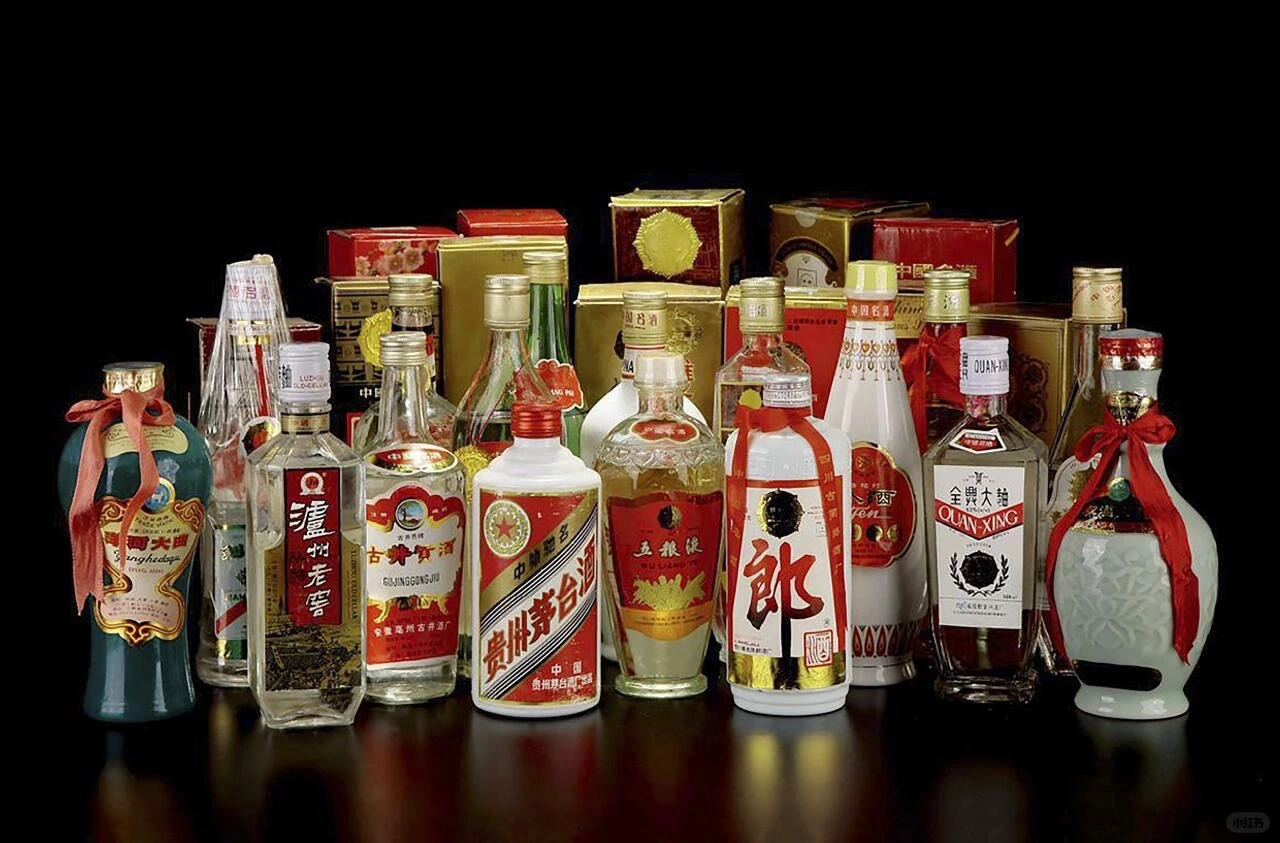
Baijiu (白酒), literally “white liquor,” is a grain-based distilled spirit. Common raw materials include sorghum, wheat, rice, and corn, and it’s produced using solid-state fermentation and distillation, often aged underground in ceramic jars.
Alcohol content: Typically ranges from 40% to 68% ABV, making it stronger than most Western liquors.
2. Aroma Types – The Key to Baijiu’s Taste
Baijiu is classified into 12 aroma types, but the following four dominate:
✅ Strong Aroma (浓香型)

Famous brands: Wuliangye, Luzhou Laojiao
Flavor:
Sweet and fruity on the nose, with intense “pit aroma” from underground fermentation cellars.
Tastes full-bodied, rich, with grain sweetness and a touch of spiciness. Long, warming finish.
Similar to ripe fruit, toasted grains, and fermented sugars.
✅ Sauce Aroma (酱香型)
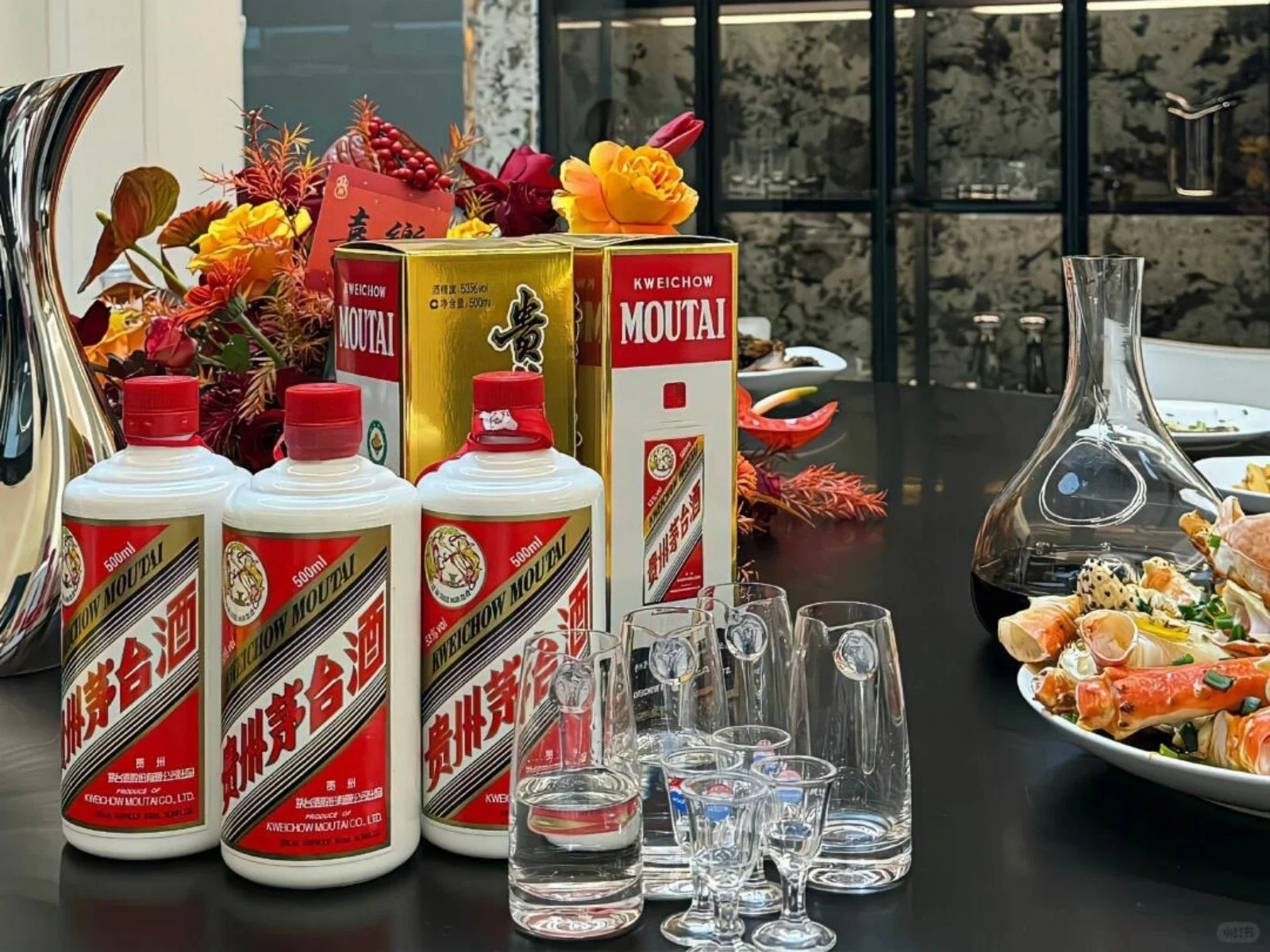
Famous brand: Moutai (Maotai)
Flavor:
Deeply complex, with aromas of soy sauce, overripe fruit, caramelized grains, and hints of herbs and wood.
Tastes layered: slightly bitter entry, umami mid-palate, astringent finish.
Often described as earthy, aged, smoky—like roasted coffee meets fermented beans.
✅ Light Aroma (清香型)

Famous brand: Fenjiu
Flavor:
Clean, crisp, and lightly sweet.
Mild grain scent (like steamed sorghum or rice) and minimal funkiness.
Easier for first-timers—like a dry vodka with floral and grainy notes.
✅ Rice Aroma (米香型)

Famous brand: Guilin Sanhua Jiu
Flavor:
Subtle sweetness, floral lightness, and soft mouthfeel.
Reminiscent of rice pudding, steamed buns, or jasmine tea.
Very approachable—ideal for beginners.
3. Shared Sensory Elements Across Baijiu
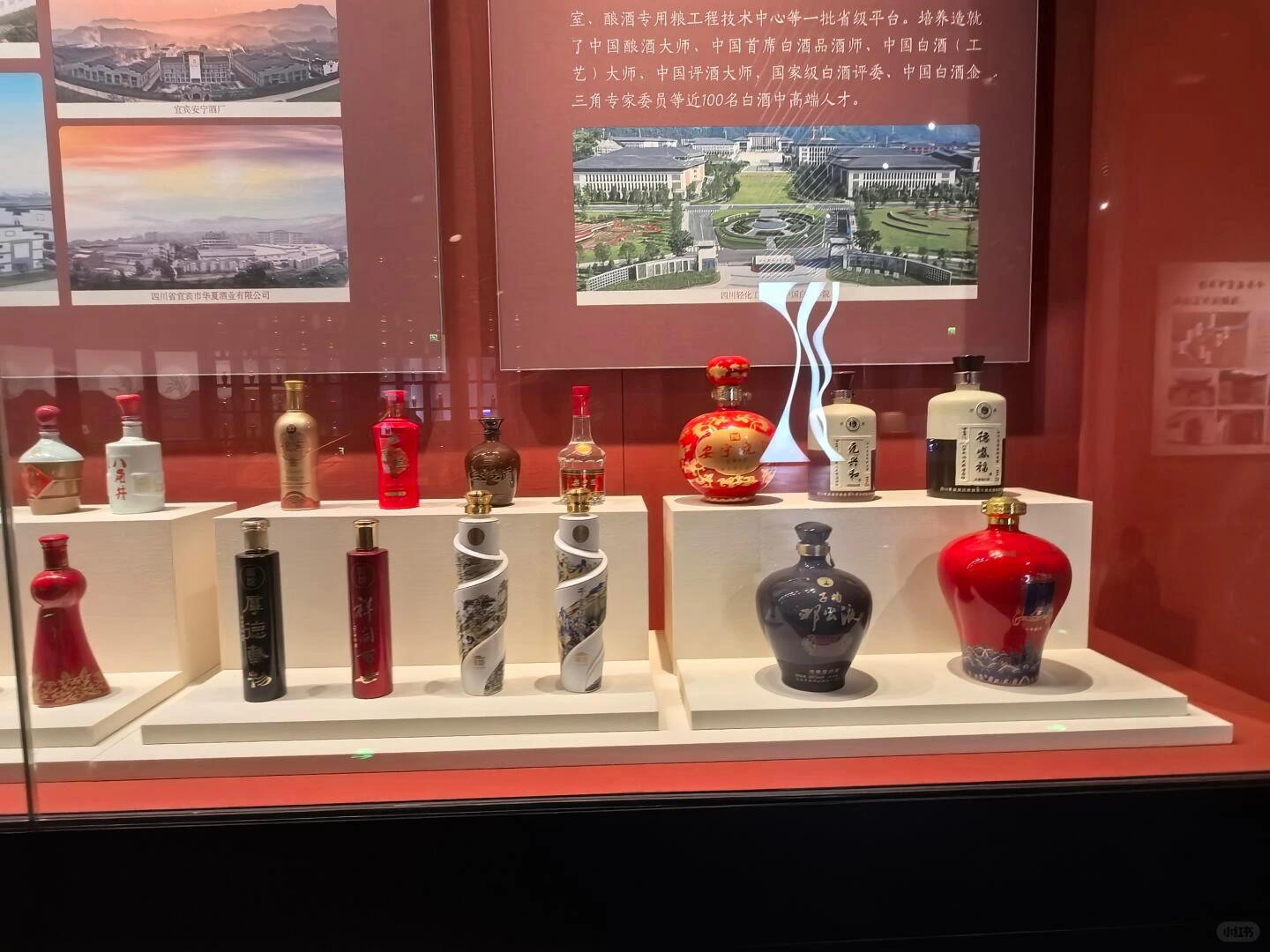
While aroma types differ, most baijiu shares these features:
Spiciness: The alcohol hit can be sharp, especially with higher ABV (55%+), causing a warming burn in the throat or stomach.
Aromatic depth: Unlike vodka’s neutrality, baijiu emphasizes aroma and taste—with esters, acids, and aldehydes that deliver fruitiness, grassiness, or smokiness.
Lingering finish: Quality baijiu often has a sweet aftertaste (hui gan) and a long aromatic trail, particularly when paired with savory Chinese dishes.
4. Best Way to Describe Baijiu
Instead of saying “spicy” or “harsh,” explain that baijiu is a category, not a single taste. Each type offers a distinct flavor experience—some are as delicate as rice wine, others as bold as mezcal or Islay whisky.
Fun analogy:
Sauce aroma baijiu = like roasted espresso with soy sauce undertones
Strong aroma baijiu = like a tropical fruit punch with earthy grain notes
Light aroma baijiu = like crisp vodka with a cereal finish
Rice aroma baijiu = like warm rice pudding with floral hints
Final Tip: How to Enjoy the Taste
Start light: Try light or rice aroma types first.
Pair with food: Baijiu’s boldness balances oily, savory Chinese cuisine.
Sip slowly: Don’t shoot it—sniff, sip, savor.