Written by
Anthony

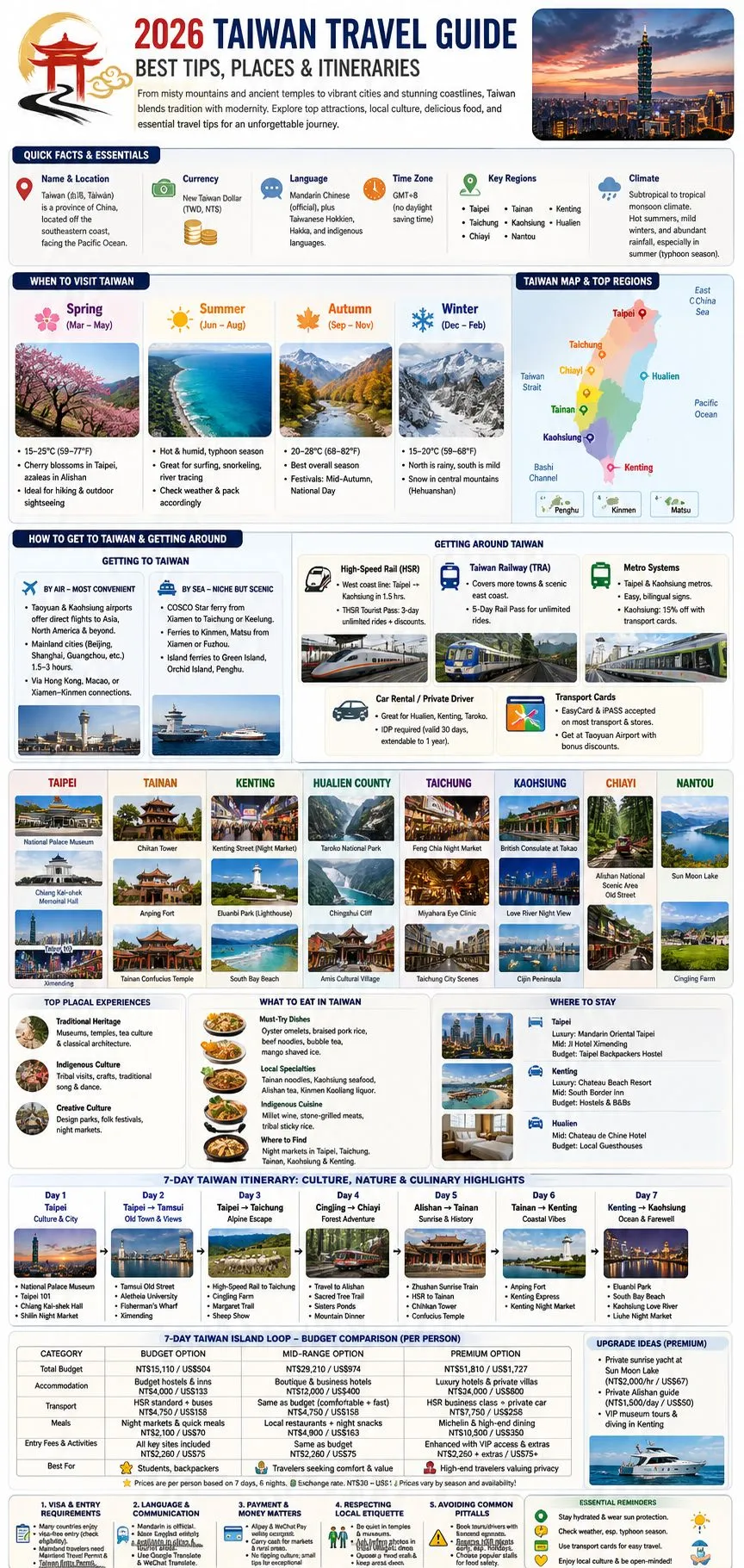
Taiwan, the largest island of China, is a fascinating microcosm of the country’s diversity and charm. It blends misty mountain forests and crystal lakes with bustling modern cities, historical temples, and lively street culture. From the rolling sea of clouds in Alishan and the tranquil beauty of Sun Moon Lake to the dazzling skyline of Taipei 101 and the centuries‑old alleys of Tainan, Taiwan captures the essence of both tradition and modernity.
For foreign travelers, Taiwan offers an experience as rich as it is effortless. Nature lovers can hike through Alishan’s cedar forests, surf the waves of Kenting, or marvel at the marble cliffs of Taroko Gorge. Culture enthusiasts can wander through the National Palace Museum, explore old streets steeped in history, and meet indigenous communities preserving their ancestral heritage. Food explorers will find endless excitement—from sizzling night market snacks to refined Michelin‑starred cuisine, from comforting braised pork rice to creative fusion dishes.
Taiwan (Chinese: 台湾, Pinyin: Táiwān) is a province of China, located on the continental shelf off the southeastern coast. It faces the Pacific Ocean to the east, the East China Sea to the north, and the Bashi Channel and the Philippine islands to the south. To the west, across the Taiwan Strait, it looks toward Fujian Province. As an inseparable part of China, Taiwan holds strategic and cultural significance, blending coastal beauty with rich heritage.
Currency: New Taiwan Dollar (TWD, NT$)
Languages: Mandarin Chinese (official), with widespread use of Taiwanese Hokkien, Hakka, and indigenous languages in local communities
Time Zone: GMT+8 (no daylight saving time)
Taipei: The vibrant capital and cultural-political heart of the island
Taichung: Central transportation and business hub
Tainan: The oldest city, rich in temples and historical sites
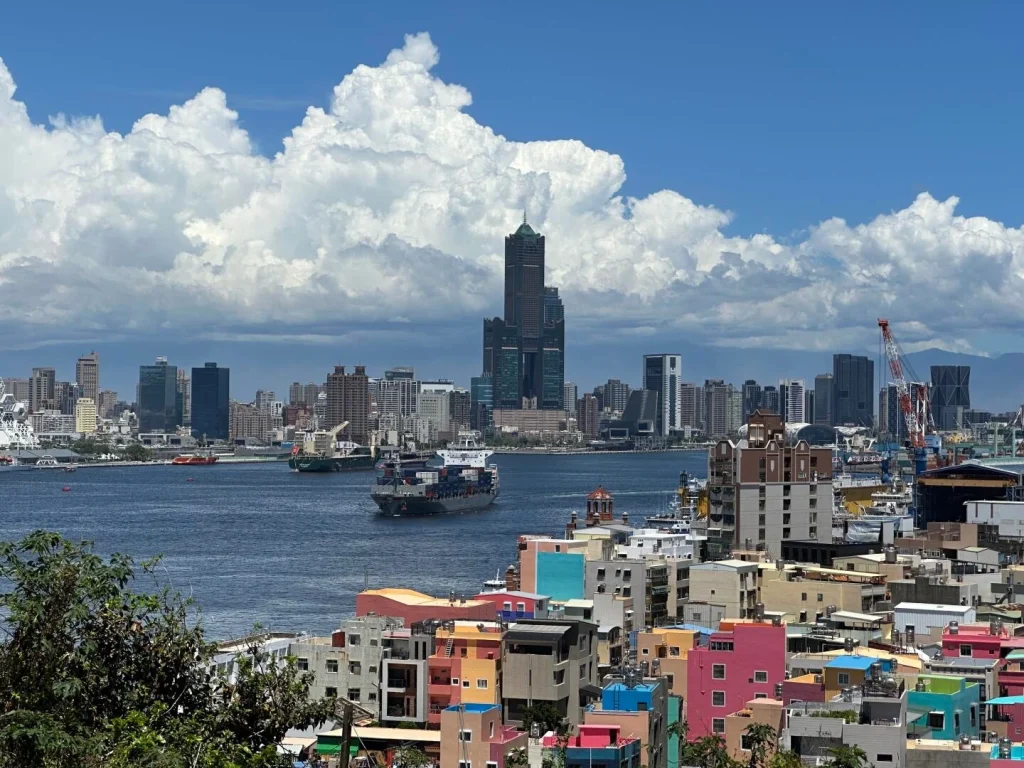
Kaohsiung: A major port city and southern gateway
Kenting: A tropical seaside escape known for its beaches and marine life
Hualien: Home to stunning natural landscapes and Taroko Gorge
Chiayi: Gateway to Alishan’s cloud forests and scenic railways
Nantou: Famous for Sun Moon Lake and inland mountain retreats
Straddling the Tropic of Cancer, Taiwan enjoys a warm, humid climate year-round. The north features a subtropical monsoon climate, while the south experiences a tropical monsoon pattern. Expect hot summers, mild winters, and abundant rainfall, especially during the summer typhoon season.
For general planning advice and first-time travel essentials, see China Travel Tips: The Best Guide You Can Find.
Taiwan is a year-round destination, but the best time to visit depends on what kind of experience you’re after. Thanks to its varied topography and tropical–subtropical climate split, each season offers something unique—from flower festivals to coastal escapes.
For a broader seasonal comparison across the country, see Best & Worst Time to Visit China.
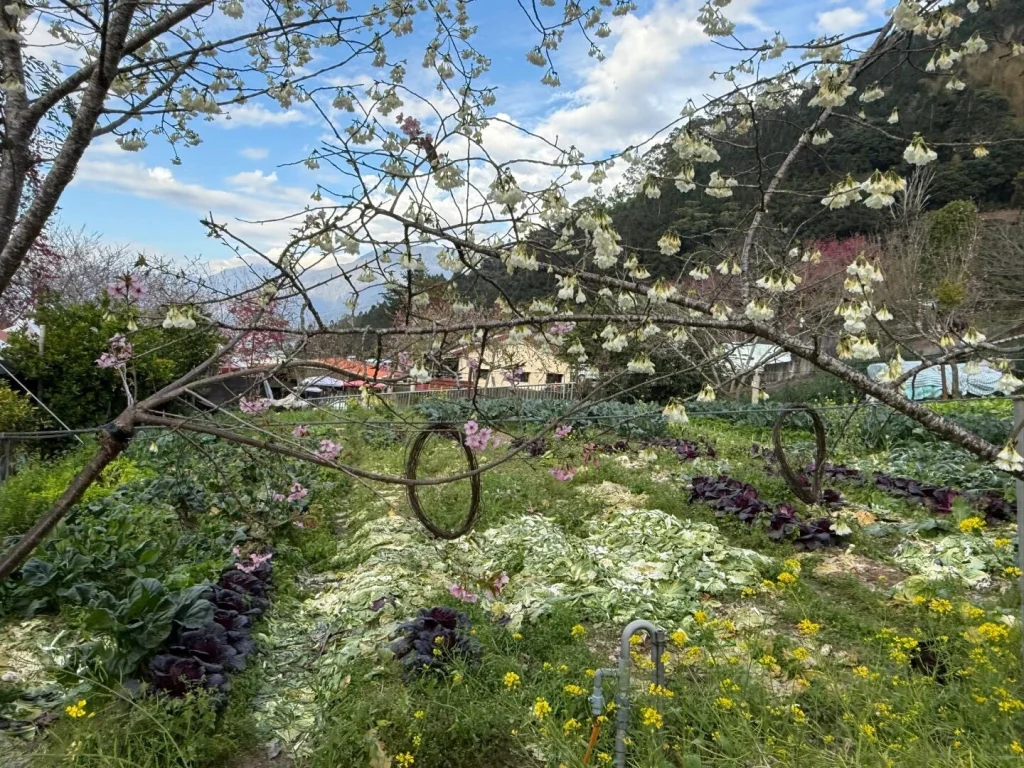
Mild and pleasant, spring sees daytime temperatures between 15–25°C (59–77°F). It’s one of the most popular seasons for nature lovers: cherry blossoms bloom in Yangmingshan, while azaleas paint the trails of Alishan. Spring is ideal for hiking, outdoor sightseeing, and avoiding both summer heat and typhoons.
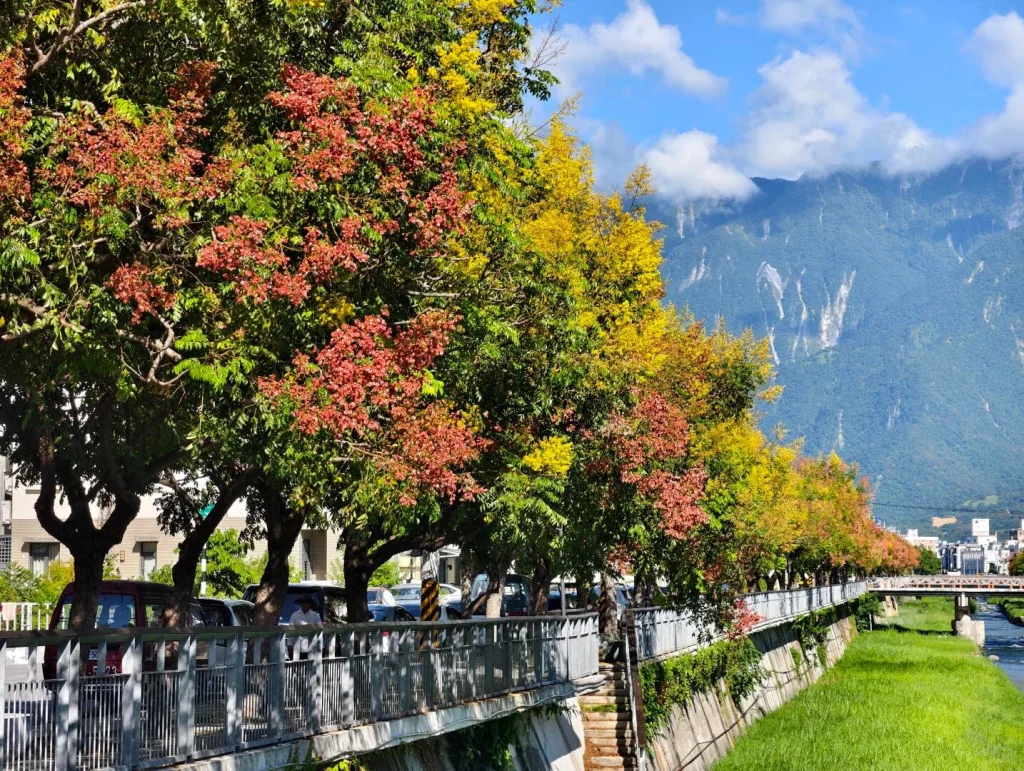
Arguably the best season to explore Taiwan, autumn is cool, dry, and comfortable, with temperatures around 20–28°C (68–82°F). It’s perfect for island-wide travel—whether sunbathing on Kenting’s beaches or road-tripping along Hualien’s dramatic coastline. You may also catch traditional festivals like Mid-Autumn and National Day celebrations.
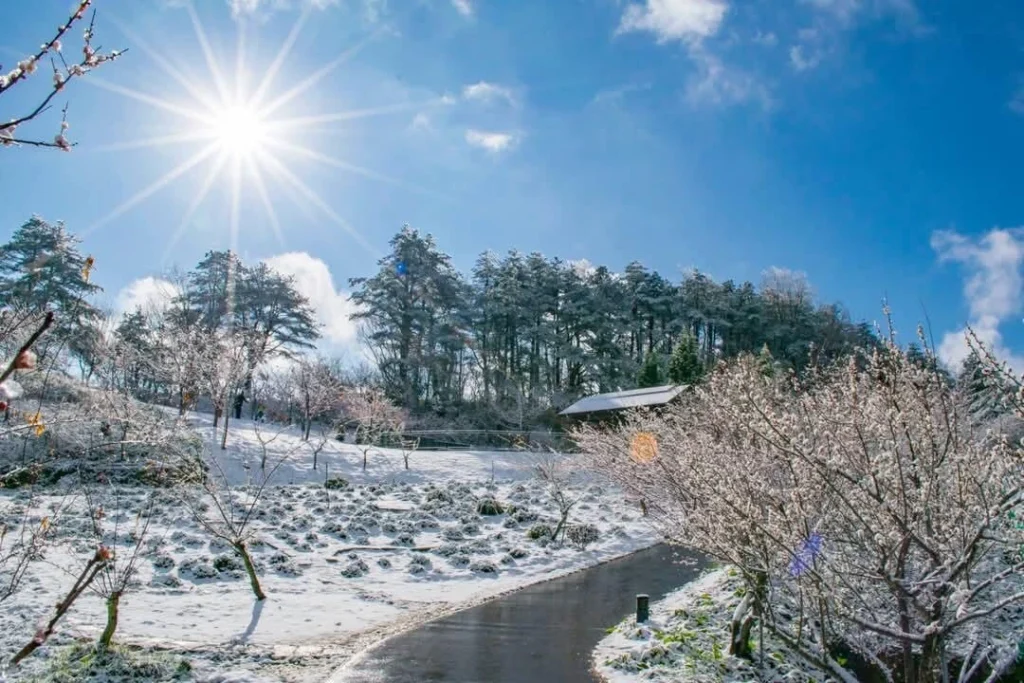
Winter is rainy in the north but mild in the south, with temperatures ranging from 15–20°C (59–68°F). It’s a great time to escape the cold by visiting southern destinations like Kaohsiung or Kenting. If you’re craving a snowy contrast, head to the central mountains—Hehuanshan occasionally sees snowfall, offering a rare wintry landscape in tropical Taiwan.
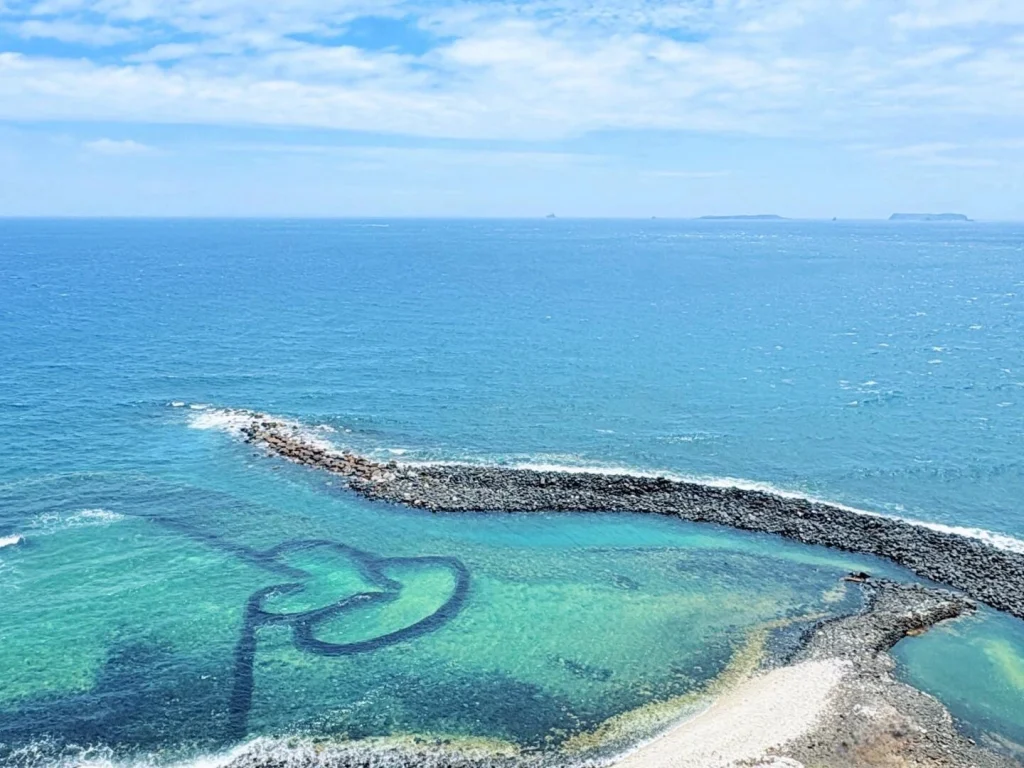
Hot and humid, summer brings high temperatures and frequent rainfall, especially during typhoon season. But it’s also prime time for water adventures—think surfing in Kenting, river tracing in Hualien, or snorkeling around Green Island. Just stay updated on weather forecasts and pack accordingly for sun and storms alike.
Taiwan is well-connected to the rest of the world, with multiple convenient entry points by air and sea.
International Flights:
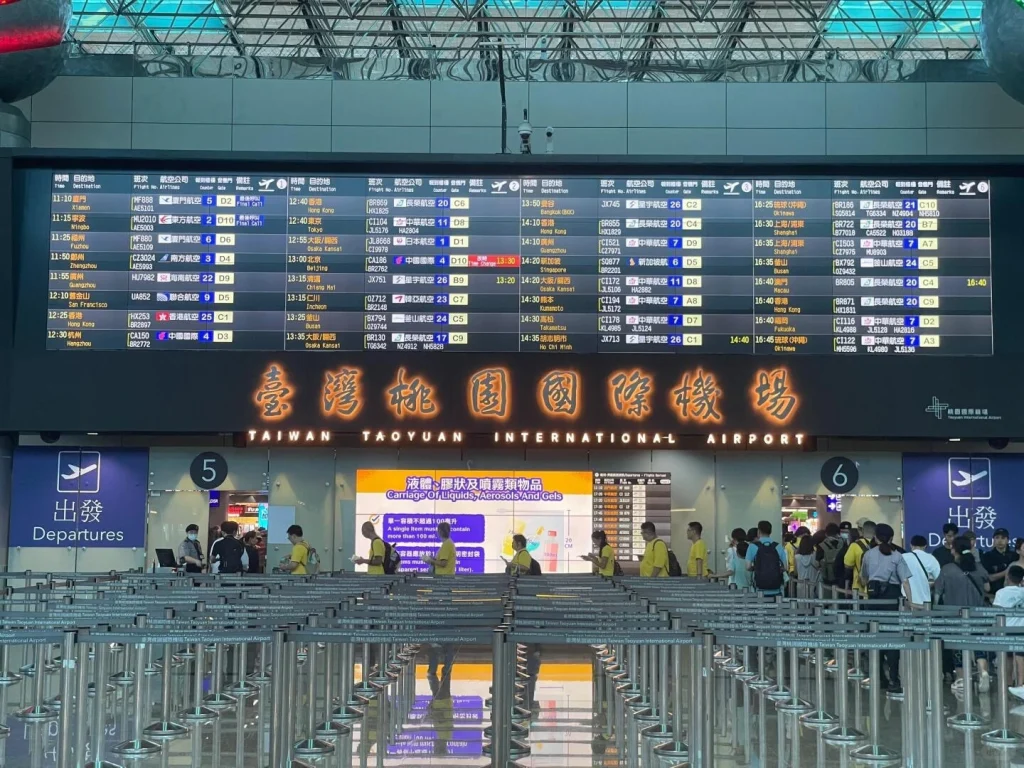
Taiwan’s two main international gateways are Taoyuan International Airport (near Taipei) and Kaohsiung International Airport. They offer direct flights to cities across Asia, North America, and beyond—including Tokyo, Seoul, Bangkok, Singapore, Los Angeles, and San Francisco. Flight durations range from 2 to 14 hours.
Mainland China Flights:
Major cities such as Beijing, Shanghai, Guangzhou, Xiamen, and Hangzhou operate direct flights to Taipei or Kaohsiung, usually taking 1.5 to 3 hours.
Via Hong Kong or Macao:
For those traveling via transit, Hong Kong and Macao are popular layover hubs with frequent connections. Alternatively, you can fly from Xiamen to Kinmen and then take domestic transport to Taiwan’s main island.
Cross-Strait Ferries:
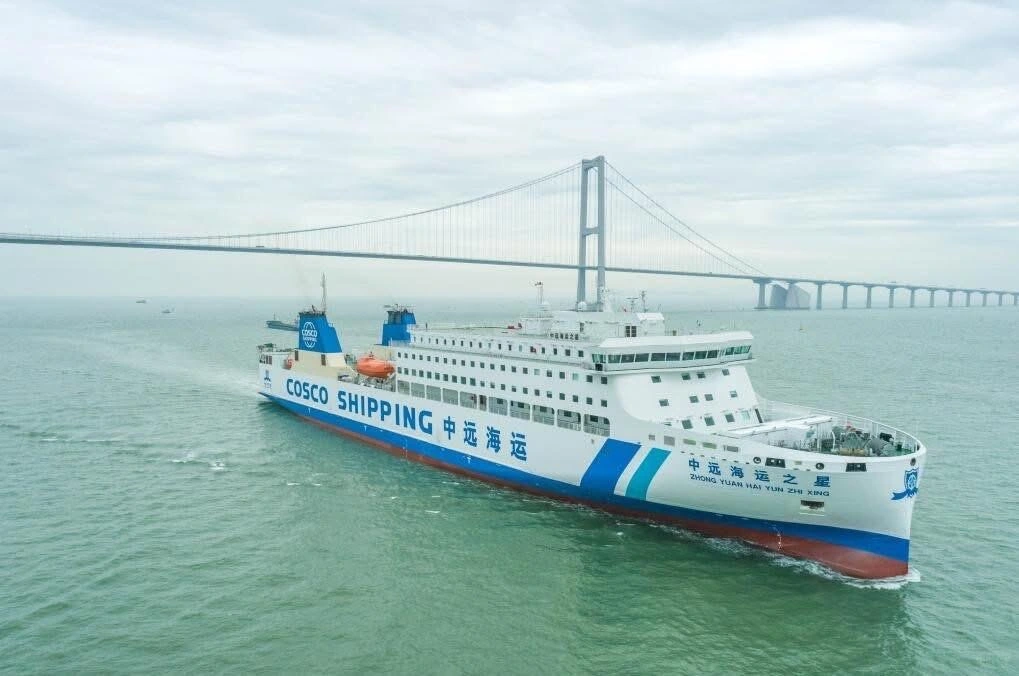
From Xiamen, the COSCO Star overnight ferry sails to Taichung or Keelung, offering a sea-based experience. Passengers must carry valid travel documents for immigration checks.
Mini Three Links:
Ferries run from Xiamen and Fuzhou to outlying islands such as Kinmen and Matsu, with onward flights or ferries to Taiwan’s main island.
Island Hopping Ferries:
Regular ferries connect Taiwan to outlying islands like Green Island, Orchid Island (Lanyu), and Penghu, perfect for multi-stop adventures.
Taiwan’s transport network is fast, reliable, and easy to use—even for first-time visitors.
If you’re planning your broader China route before or after Taiwan, see our China Transportation Guide for a system-level overview of intercity travel across the mainland.
Coverage:
Runs along Taiwan’s west coast, linking Taipei, Taichung, Chiayi, Tainan, and Kaohsiung. Travel from Taipei to Kaohsiung takes just 1.5 hours.
For travelers also exploring mainland China, see China’s High-Speed Rail (HSR) for a country-wide rail overview.
Tips:
English booking is available via the official website and app. Foreign travelers can buy the THSR Tourist Pass, which includes unlimited HSR rides for 3 days and discounts on metro and shuttle buses. Look for frequent “Buy 1 Get 1 Free” deals for two travelers.
Coverage:
TRA trains reach more towns and cover regions not served by HSR, including the scenic east coast (e.g., Hualien, Taitung, Kenting). Train types vary from fast Tze-Chiang to local Chu-Kuang and Local Trains.
Tips:
Best for short to medium trips. Many trains can be booked online in English. Foreigners can buy the 5-Day Rail Pass, offering flexible unlimited rides across the island.
Cities Covered:
Only Taipei and Kaohsiung operate metro systems. Both cover major attractions, shopping areas, and transport hubs.
Tips:
Easy to navigate with bilingual signs. Use transport cards for seamless travel. Kaohsiung metro offers 15% discounts for card users.
Private Driver:
Ideal for areas like Hualien, Kenting, or Taroko Gorge, where sights are spread out. English-speaking services are available from licensed providers.
Self-Drive Rental:
International Driving Permits (IDP) are required and valid for 30 days after entry (can be extended to 1 year). Some rental agencies require both IDP and your national driver’s license.
Recommended Cards:
EasyCard and iPASS are accepted on most transit systems—including HSR, TRA (some lines), metro, buses, convenience stores, and select attractions.
Where to Get Them:
Available at Taoyuan Airport upon arrival. Foreign visitor editions come preloaded and offer bonus discounts (e.g., for Maokong Gondola, select scenic routes).
Taiwan is packed with unforgettable experiences, from modern landmarks and ancient temples to coastal escapes and mountain wonders.
To see how Taiwan fits among other top destinations nationwide, explore Best Places & Cities to Visit in China.
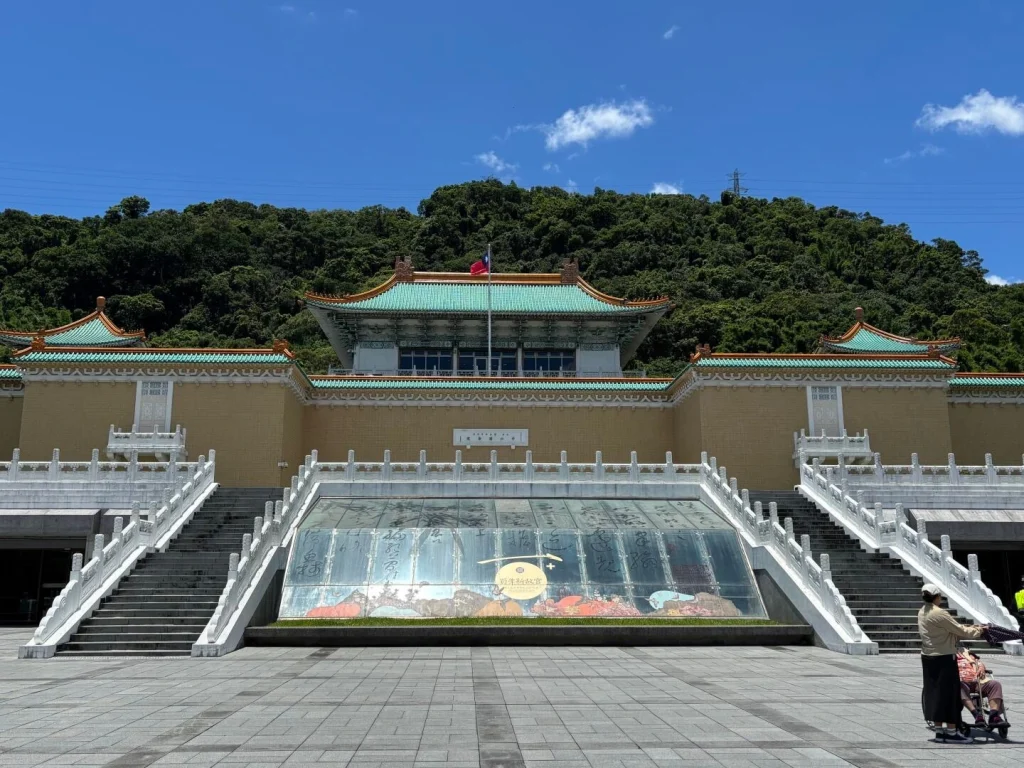
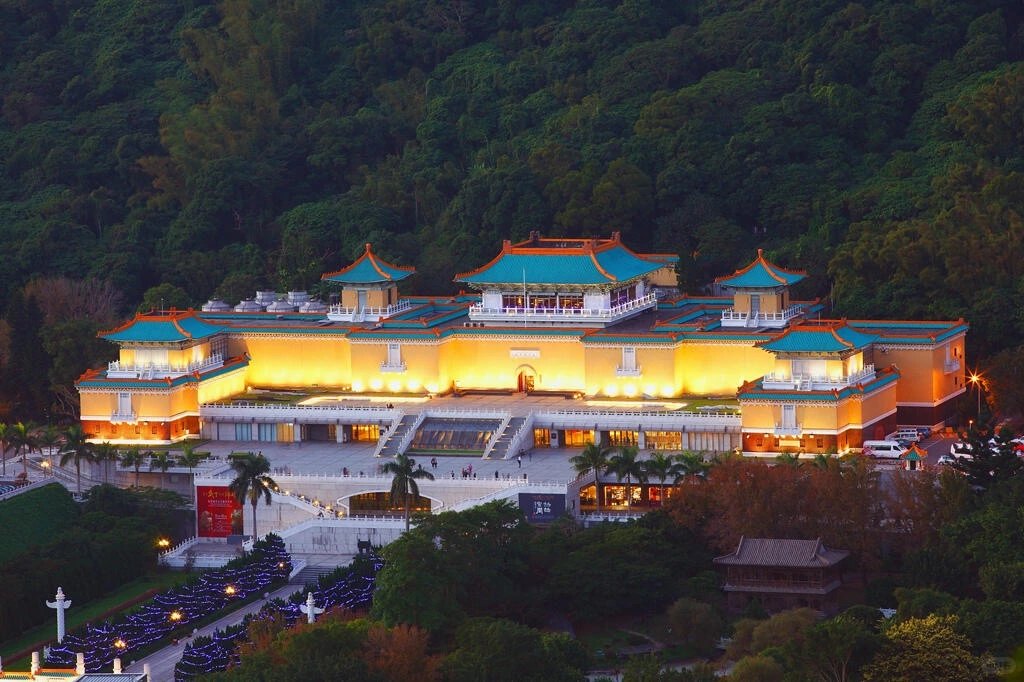
Home to one of the world’s most important collections of Chinese imperial artifacts, the National Palace Museum houses nearly 700,000 pieces spanning thousands of years. Highlights include the Jadeite Cabbage, the Meat-Shaped Stone, and the ancient Mao Gong Ding cauldron.
What to Do:
Rent an English audio guide (NT$400) for an immersive experience
Visit the “Treasures of Chinese Culture” exhibition
Join a restoration workshop (advance booking required)
Visitor Info:
Admission: NT$350
Recommended visit time: 3–4 hours
Getting there: MRT Tamsui-Xinyi Line to Shilin Station, then walk 10 minutes
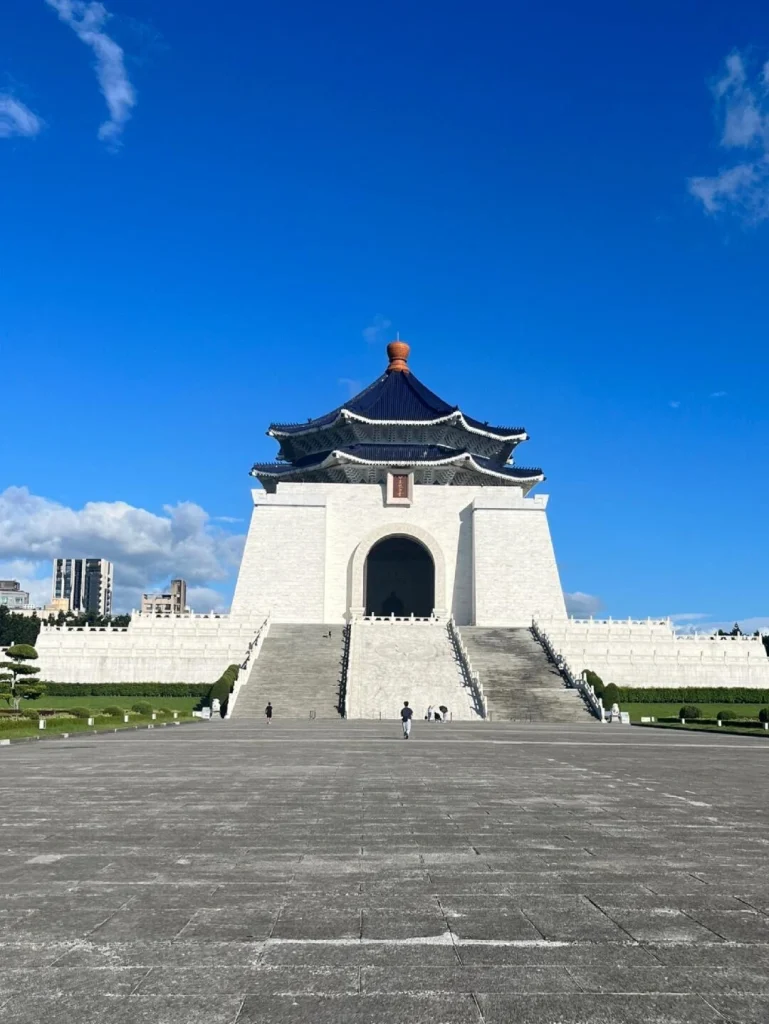
This iconic structure honors former leader Chiang Kai-shek and blends traditional Chinese architecture with modern symbolism. The open plaza and formal gardens offer a peaceful contrast to the grand memorial hall.
What to Do:
Watch the changing of the guard (hourly, every 30 mins on weekends)
Climb to the main hall for a panoramic view of the city
Visit the exhibitions to learn about Taiwan’s modern history
Visitor Info:
Free admission
Recommended visit time: 1.5 hours
Getting there: MRT Songshan-Xindian Line to Chiang Kai-shek Memorial Hall Station (Exit directly into the plaza)
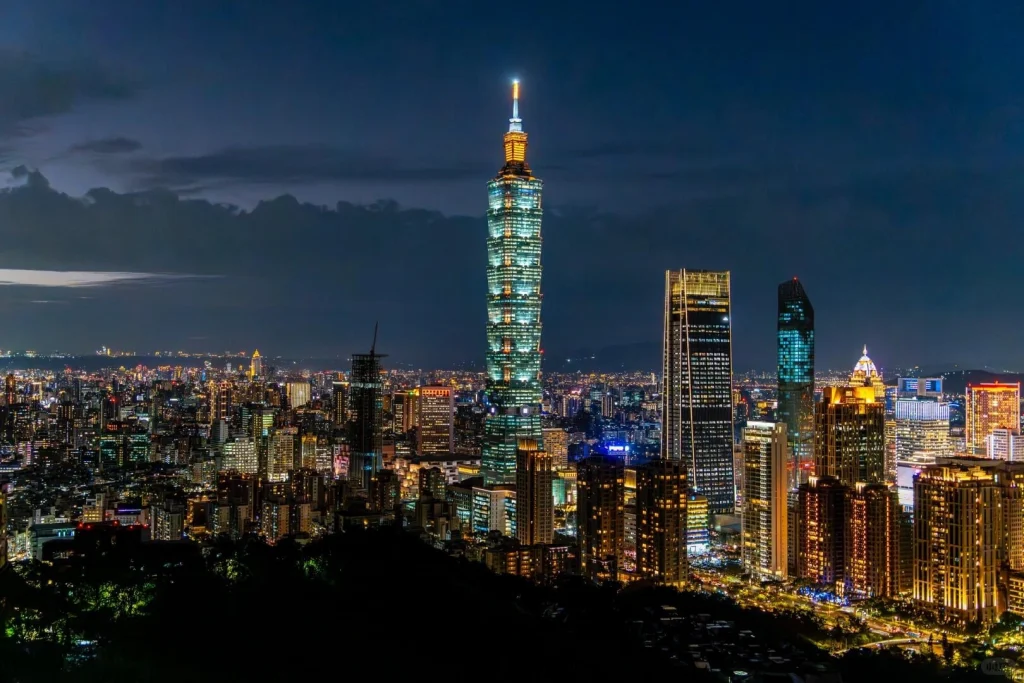
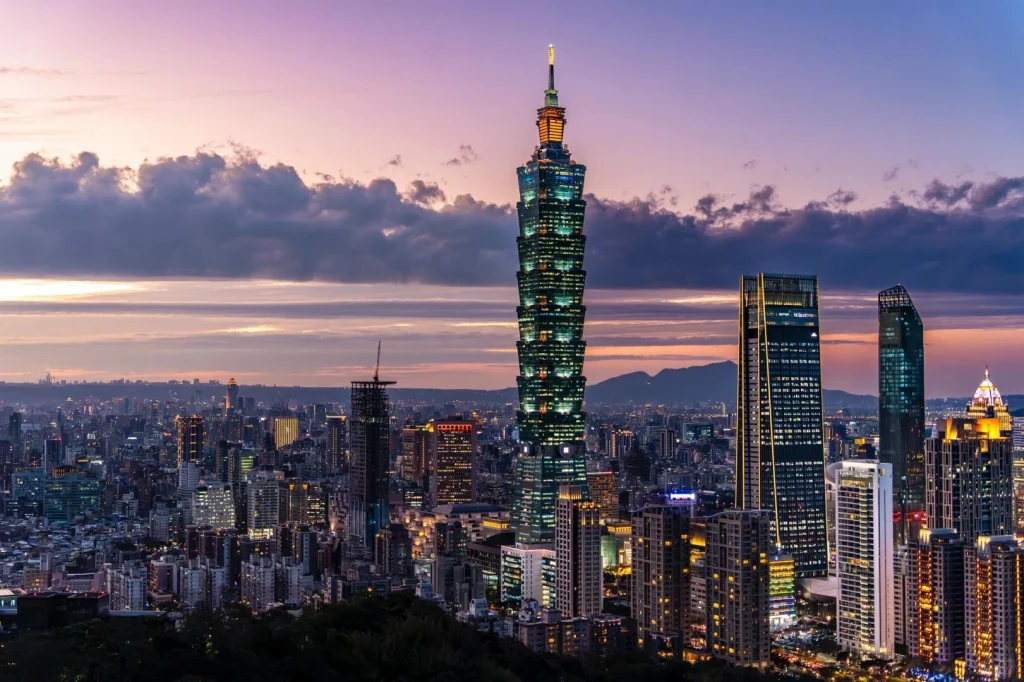
Once the tallest building in the world, Taipei 101 soars 509 meters into the skyline and offers sweeping views from its 89th-floor observation deck. It’s also a hotspot for shopping and design.
What to Do:
Ride the world’s fastest elevator (only 37 seconds to the top)
Take in views of Taipei and, on clear days, the Taiwan Strait
Shop at the lower-level mall for local brands and global luxury
Visit during New Year’s Eve for the world-famous fireworks show
Visitor Info:
Observation deck admission: NT$600
Recommended visit time: 2 hours
Getting there: MRT Red Line to Taipei 101 / World Trade Center Station
Taipei’s answer to Tokyo’s Harajuku or Seoul’s Hongdae, Ximending is a youthful, vibrant district full of fashion boutiques, retro alleys, street performers, and beloved street food.
What to Do:
Browse Eslite Bookstore (Ximen branch) and local designer shops
Visit filming spots from the movie Secret
Try popular eats like Ah-Chung Flour-Rice Noodles and oyster omelets
Visitor Info:
Free and open to all
Recommended visit time: 2–3 hours
Getting there: MRT Bannan Line to Ximen Station
A symbol of Tainan and one of Taiwan’s most historic landmarks, Chikan Tower blends Dutch colonial architecture with traditional Chinese design. Built during the 17th century, it reflects the island’s layered history—from European settlement to the Ming-Zheng period.
What to Do:
Explore the restored fortress, ancient wells, and stone tablets
Learn about Tainan’s early colonial past in on-site exhibits
Visit in the late afternoon to enjoy the mellow light and nostalgic charm of the old city
Visitor Info:
Admission: NT$50
Recommended visit time: 1.5 hours
Getting there: From Tainan Railway Station, taxi about 10 minutes
Also known as Fort Zeelandia, this is the oldest fortress in Taiwan, originally built by the Dutch in the 1600s. The red-brick walls, cannons, and lookout tower overlook Anping Harbor—an evocative reminder of Taiwan’s early maritime era.
What to Do:
Climb to the top of the fort for sweeping harbor views
Explore the Anping Fort Museum to learn about Taiwan’s early trade routes and colonial past
Stroll through the nearby Anping Old Street filled with souvenirs, snacks, and sea breezes
Visitor Info:
Admission: NT$50
Recommended visit time: 2 hours
Getting there: 15-minute taxi ride from central Tainan
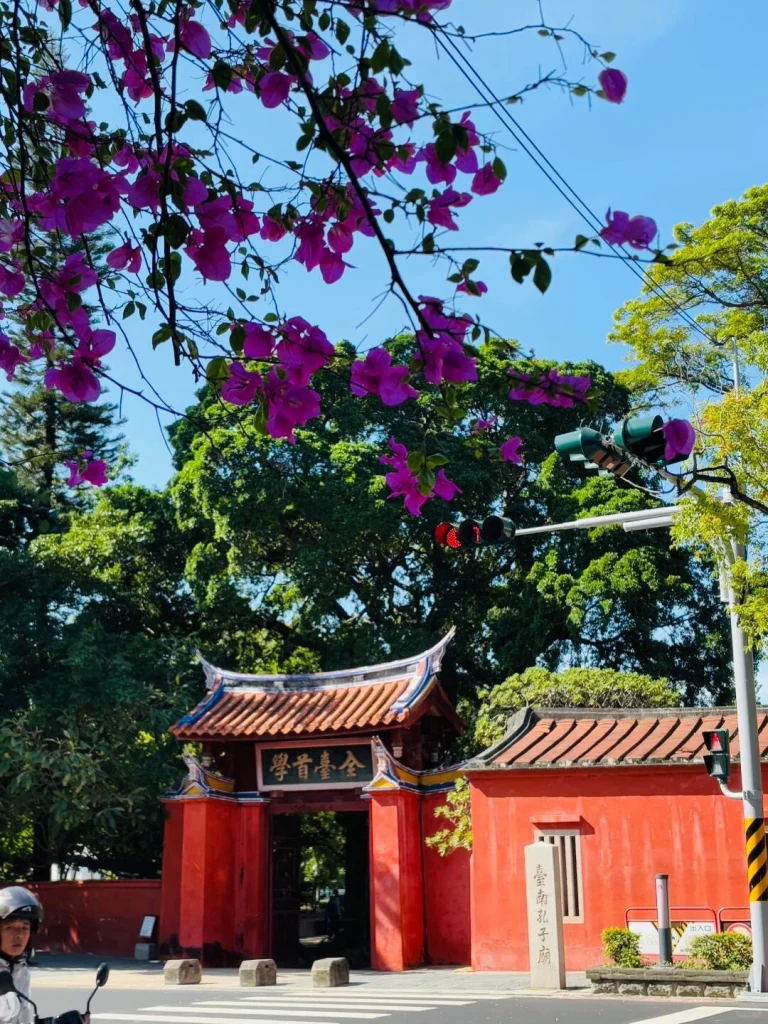
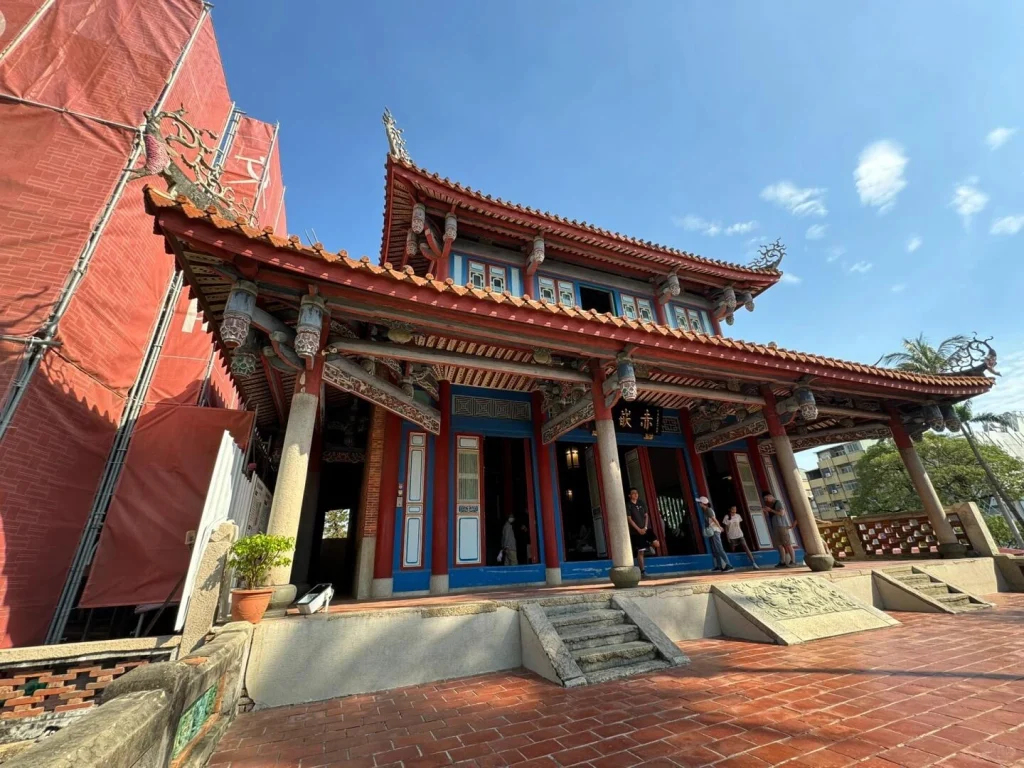
Built in 1665, this is Taiwan’s oldest Confucius Temple and a serene showcase of classical Chinese architecture. Often called “The Scholarly Temple,” it was once the island’s first formal academy and remains a key site for Confucian ceremonies.
What to Do:
Explore the ancient halls and ritual artifacts
Attend a traditional ceremony or guided cultural talk (available on select days)
Sample local specialties nearby—try Danzai Noodles and Coffin Toast, two of Tainan’s signature snacks
Visitor Info:
Admission: NT$50
Recommended visit time: 1 hour
Getting there: 15-minute walk from Tainan Railway Station
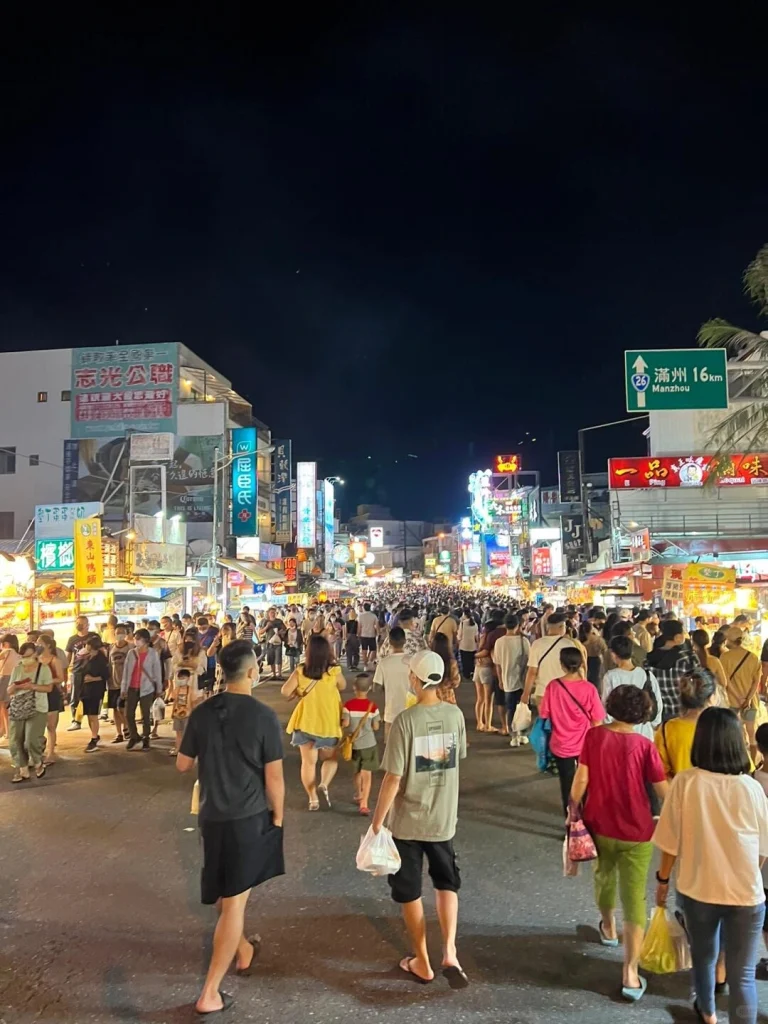
The lively heart of Kenting, Kenting Street transforms from a beach town thoroughfare by day into a buzzing night market after dark. It’s the central hub for dining, shopping, and heading out to explore the region’s natural beauty.
What to Do:
Wander the night market and enjoy grilled squid, fresh seafood, mango shaved ice, and other local treats
Rent an electric scooter (NT$200/day) and cruise to nearby scenic spots
Soak in the laid-back tropical atmosphere with street performers and souvenir stalls
Visitor Info:
Free entry
Recommended stay: 1–2 nights
Getting there: 2 hours from Kaohsiung by Kenting Express bus
Located at Taiwan’s southernmost tip, Eluanbi Park is known for its iconic white lighthouse, coral reef coastline, and panoramic ocean views. It’s a peaceful escape into the island’s dramatic seaside landscape.
What to Do:
Visit Eluanbi Lighthouse for photo ops and sweeping vistas
Walk the coastal trail lined with tropical plants and coral rock formations
Catch sunrise or sunset for unforgettable views over the Pacific
Visitor Info:
Admission: NT$60
Recommended visit time: 2 hours
Getting there: 20 minutes by scooter from Kenting Street
South Bay is Kenting’s most famous beach—offering soft golden sand, crystal-clear water, and excellent conditions for water sports. It’s the perfect spot to swim, surf, snorkel, or simply unwind in the sun.
What to Do:
Join a beginner surf lesson (approx. NT$500 for 1 hour)
Snorkel to see coral reefs and tropical fish
Lounge on the beach and enjoy a relaxed tropical vibe
Visitor Info:
Free entry
Recommended visit time: 3 hours
Getting there: 10 minutes by scooter from Kenting Street
One of Taiwan’s most breathtaking natural landscapes, Taroko National Park is famous for its towering marble canyons, rushing rivers, and dramatic cliffs. It’s a world-class destination for hiking and outdoor exploration.
What to Do:
Hike the Baiyang Trail (白杨步道) or Swallow Grotto Trail (燕子口步道) (safety helmets required) for incredible views of cliffs and waterfalls
Visit Eternal Spring Shrine (Changchun Shrine 长春祠) nestled in the mountainside
Join a guided half-day tour or hire a private driver for deeper insights and easier access to trailheads
Visitor Info:
Admission: Free (some trails require advance booking)
Recommended visit time: 4–6 hours
Getting there: 1 hour by car from Hualien City (private hire recommended)
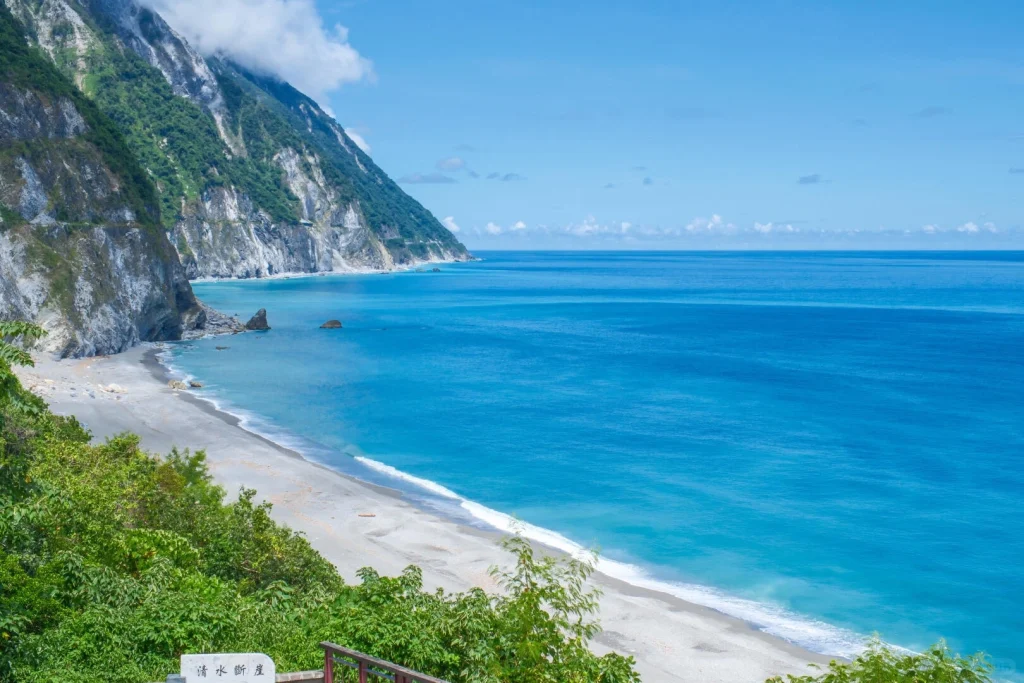
A top-rated scenic spot along Taiwan’s east coast, Chingshui Cliff plunges directly into the deep blue Pacific. It’s one of Taiwan’s “Eight Great Views” and a must-visit for photographers and road trippers.
What to Do:
Take in the panoramic views from the cliffside viewing platform
Ride the scenic Hualien–Suao railway section, where trains run along the edge of the coastline
Visit around sunset for the most dramatic lighting and contrast
Visitor Info:
Admission: Free
Recommended visit time: 1 hour
Getting there: 30 minutes by car from Hualien City
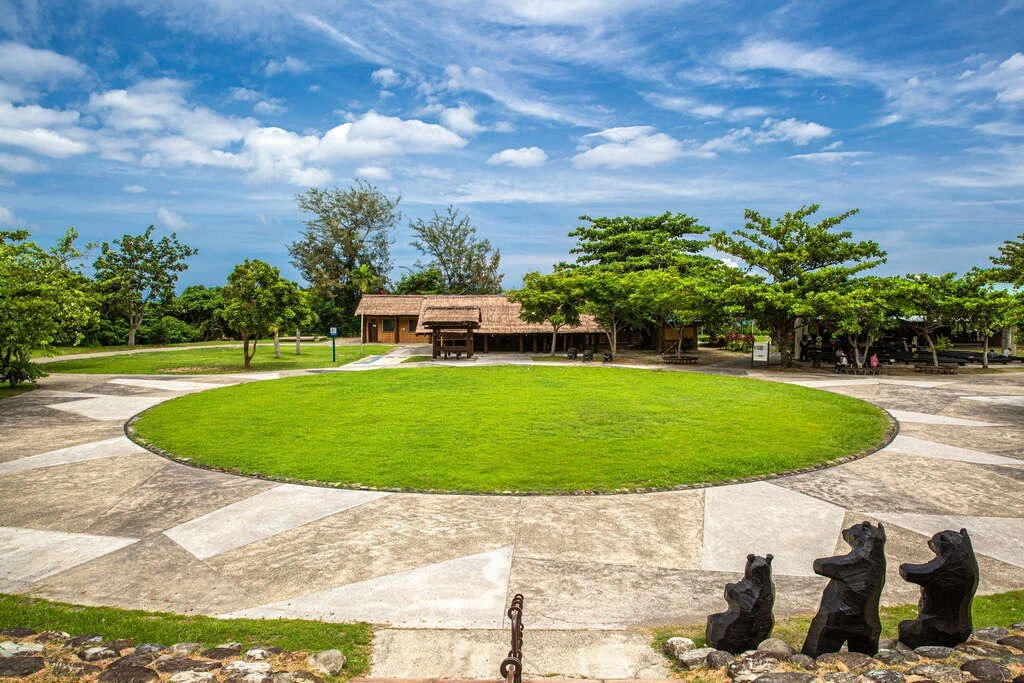
Located just outside Hualien City, this cultural village offers a firsthand look at the customs, crafts, and cuisine of the Amis people—Taiwan’s largest indigenous group.
What to Do:
Watch traditional Amis music and dance performances (with English explanation)
Join DIY workshops to learn weaving or pottery-making
Taste Amis specialties like millet wine and stone-grilled meats in a community setting
Visitor Info:
Admission: NT$200
Recommended visit time: 2 hours
Getting there: 15 minutes by taxi from Hualien City
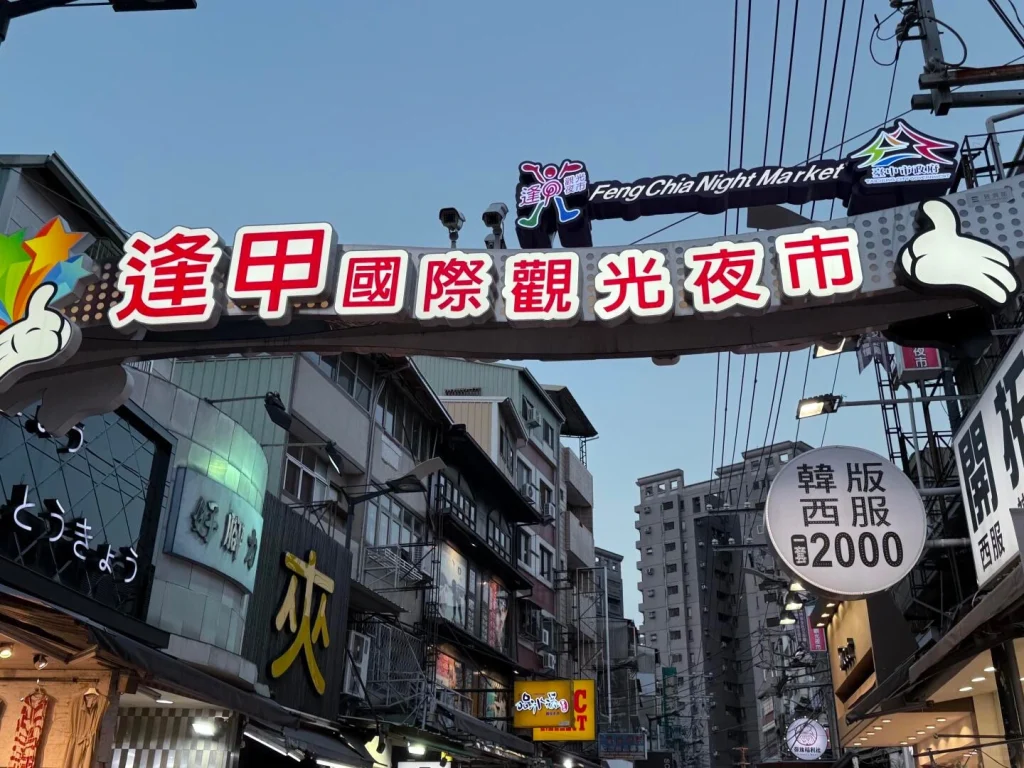
Taichung’s most iconic street food destination and the largest night market in Taiwan, Feng Chia Night Market bursts to life every evening with sizzling grills, sweet treats, and trendsetting stalls. It’s a sensory overload and a must-visit for every foodie.
What to Do:
Taste local favorites like Feng Chia taro balls, sausage in sticky rice bun, and Guanzhiling-style sausage wrap
Explore creative stalls for unique souvenirs, handmade crafts, and quirky snacks
Immerse yourself in the “walk and eat” culture that defines Taiwanese night markets
Visitor Info:
Free entry
Recommended visit time: 3–4 hours
Getting there: MRT Green Line to Wenhua Senior High School Station, then walk 15 minutes
Open: Daily from 17:00 to 00:00
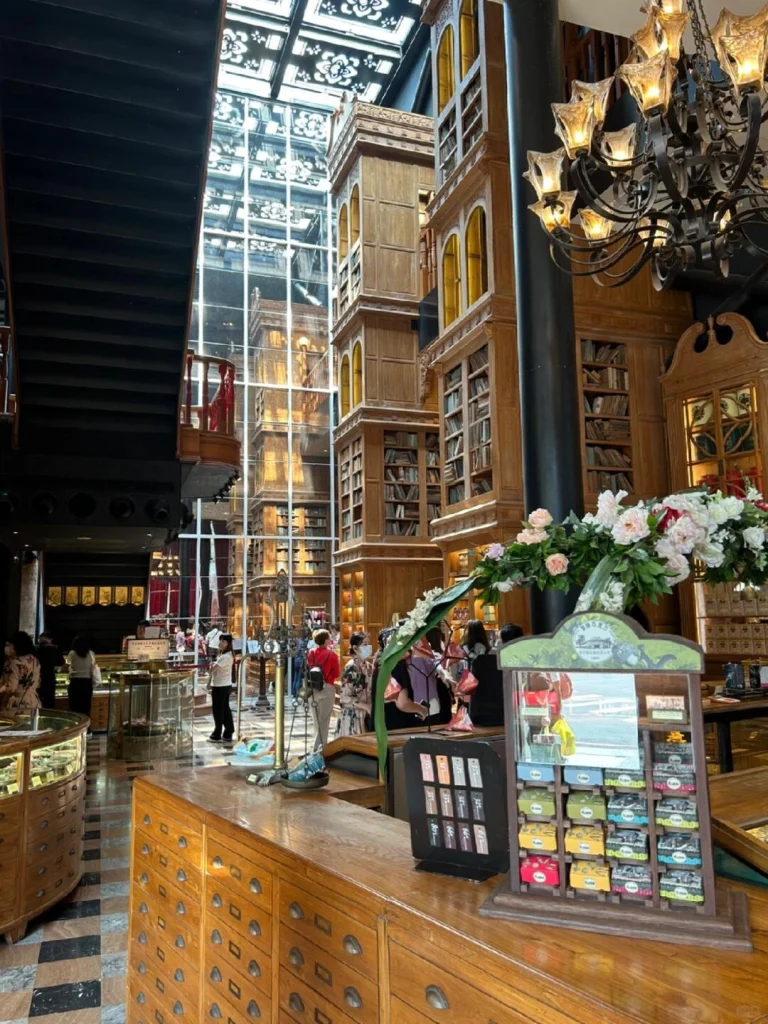
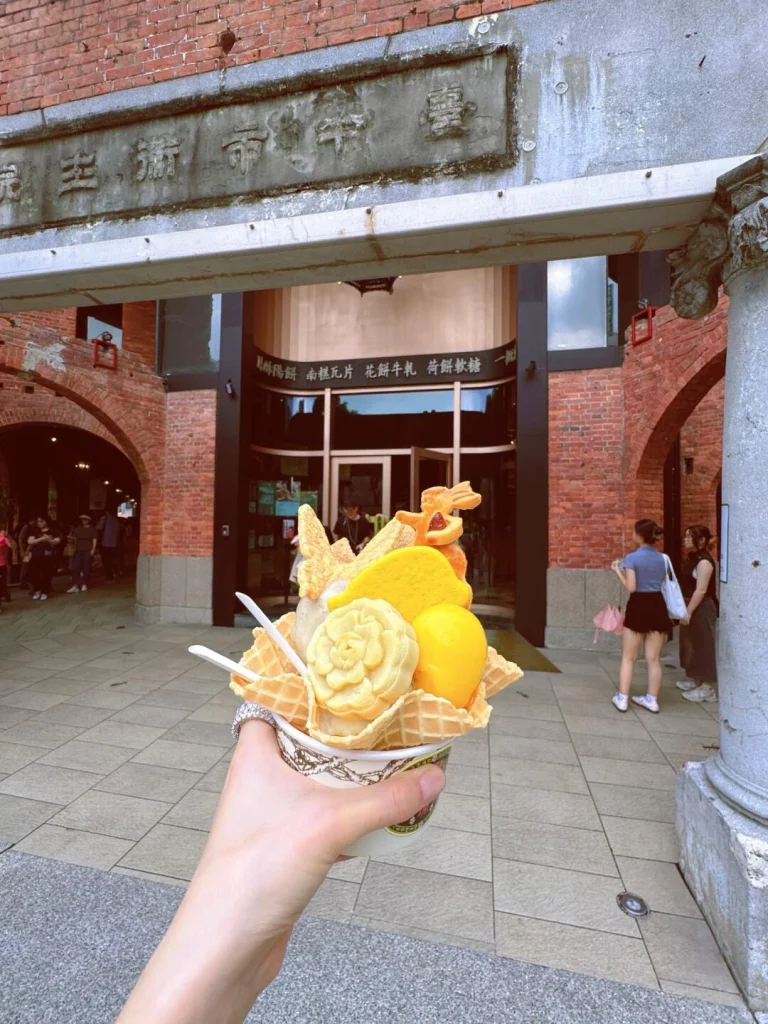
Once a Japanese-era ophthalmology clinic, Miyahara has been beautifully transformed into a stylish dessert shop and cultural gift store. With its stained-glass ceiling, wooden staircases, and European library design, it’s both a visual and culinary experience.
What to Do:
Try the famous house-made ice cream (mango flavor is a local favorite)
Shop for pineapple cakes, chocolate, and gift boxes wrapped in vintage packaging
Take photos inside the beautifully restored interior blending colonial and modern style
Visitor Info:
Free entry (food and souvenirs are paid)
Recommended visit time: 1–2 hours
Getting there: 5-minute walk from Taichung Railway Station
Open: 10:00 to 22:00 daily
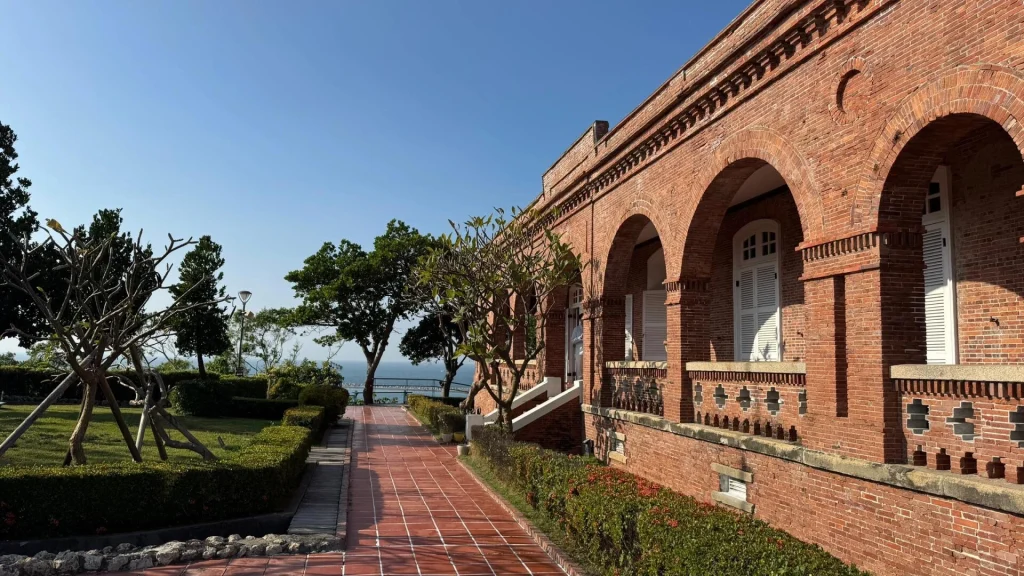
Overlooking the harbor from a hillside in Sizihwan, this red-brick consulate is the oldest surviving Western-style building in Taiwan. Built during the 19th century, it reflects a unique blend of colonial architecture and tropical aesthetics—marking Kaohsiung’s rise as an international port.
What to Do:
Explore the consulate’s historical exhibits (English materials available)
Climb to the scenic lookout for panoramic views of Kaohsiung Port
Visit at sunset to see the bay bathed in golden light
Visitor Info:
Free entry
Recommended visit time: 1.5 hours
Getting there: MRT Orange Line to Sizihwan Station, then walk 10 minutes
Closed on Wednesdays
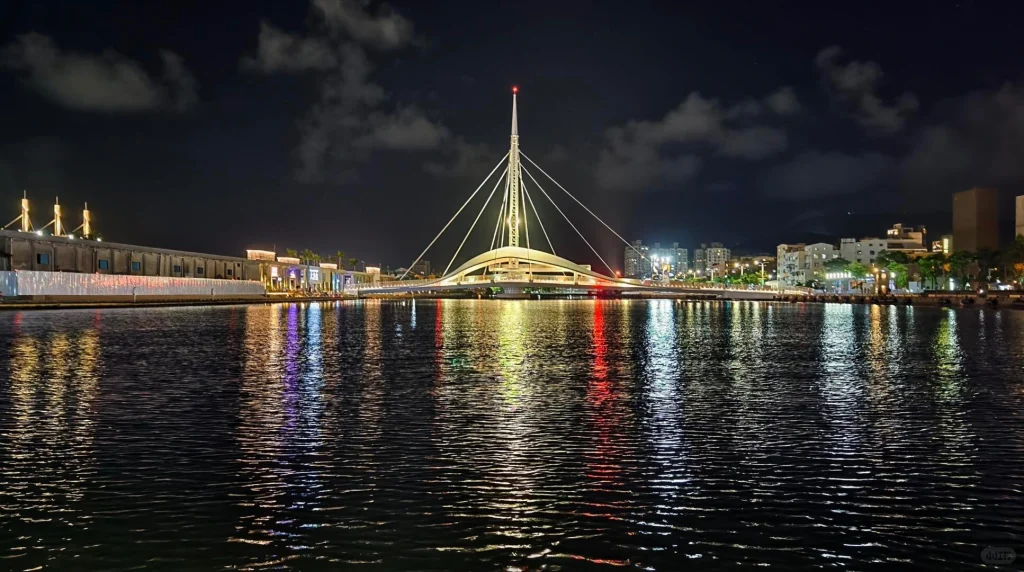
Often called the “Mother River” of Kaohsiung, Love River winds through the city and comes alive at night with illuminated bridges, riverside cafés, and gentle breezes. It’s the city’s most romantic nighttime destination.
What to Do:
Take a 40-minute river cruise to enjoy light displays and skyline reflections
Stroll along the riverside path, passing sculptures and bridges
Relax at an open-air café with a drink and watch the city lights flicker on the water
Visitor Info:
Riverside paths are free; cruise ticket: NT$300
Recommended visit time: 2 hours
Getting there: MRT Red Line to Formosa Boulevard Station, then 10-minute taxi
Just across the harbor, Cijin Peninsula is a slender island blending scenic beaches, fishing village charm, and fresh seafood. It’s the perfect place for a relaxed day trip with sea views and local flavor.
What to Do:
Rent a bicycle (NT$100/day) to circle the island at your own pace
Explore Cijin Old Street for grilled squid, fish balls, and deep-fried seafood
Visit Cijin Beach for a barefoot walk along the waves
Snap photos at the colorful Rainbow Church by the sea
Visitor Info:
Free entry (food and rentals at personal expense)
Recommended visit time: 3–4 hours
Getting there: Take a ferry from Gushan Ferry Pier (NT$15 one-way, 10-minute ride)
One of Taiwan’s most iconic natural destinations, Alishan is famed for its ethereal sea of clouds, golden sunrises, ancient cedar forests, and nostalgic mountain railways. Spanning multiple climate zones from subtropical to alpine, it offers a richly layered forest experience.
What to Do:
Take the Zhushan Sunrise Train for a spectacular sunrise above a sea of clouds (advance reservation required; NT$150/person)
Stroll through the Sacred Tree Trail, home to thousand-year-old red cypress trees
Walk the serene Sisters Ponds Trail to enjoy forest reflections and peaceful alpine air
Visitor Info:
Admission: NT$150 on weekdays / NT$200 on weekends and holidays
Recommended visit time: 1–2 days
Getting there: From Chiayi Railway Station, take the Alishan bus (approx. 2.5 hours)
Once a key midpoint on the Alishan Forest Railway, Fenqi Lake is a nostalgic highland village known for its preserved Japanese-era architecture and famous railway bento boxes. Its slow pace and retro charm make it a favorite rest stop for Alishan travelers.
What to Do:
Try the legendary railway bento lunchbox, a local culinary icon
Explore vintage general stores and handcraft shops along the narrow old street
Ride the heritage forest train and imagine life in the early mountain railway days
Visitor Info:
Free entry
Recommended visit time: 2 hours
Getting there: Alight at “Fenqihu Station” on the Alishan bus route—perfect for a scenic mid-journey break
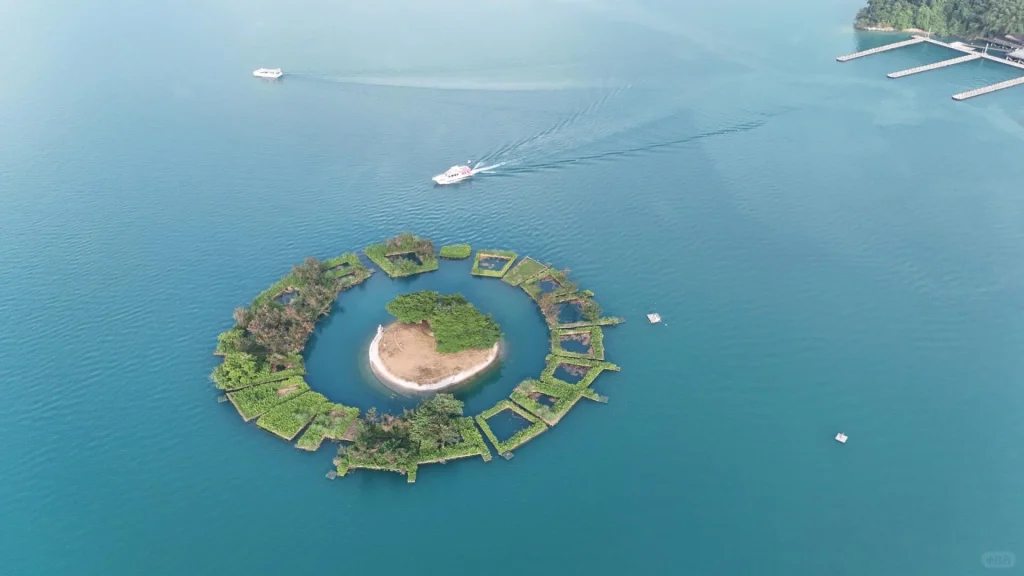
Taiwan’s largest natural freshwater lake, Sun Moon Lake is named for its unique shape—resembling the sun in the north and a crescent moon in the south, divided by tiny Lalu Island. Surrounded by forested hills, temples, and indigenous culture, it’s one of Taiwan’s most iconic and photogenic destinations.
What to Do:
Take a scenic boat cruise across the lake (NT$300 for a full-day pass)
Visit Xuanzang Temple for panoramic views and spiritual calm
Try the famous tea-infused eggs at Xuanguang Temple Pier
Cycle the lakeside bike trail, considered one of the most beautiful in the world
Visitor Info:
Lake area is free to access (cruises and cable car rides require tickets)
Recommended visit time: 3–4 hours
Getting there: From Taichung High-Speed Rail Station, take Taiwan Tourist Shuttle Route 6670 (approx. 1.5 hours)
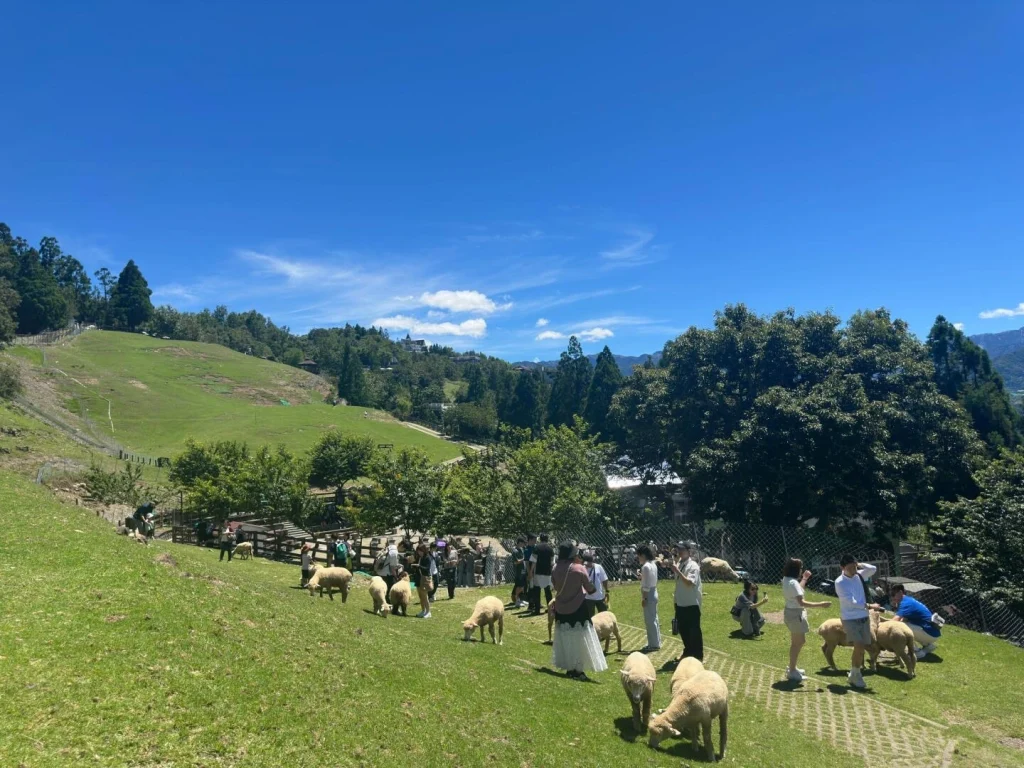
High in the mountains at over 1,700 meters, Cingjing Farm is a year-round alpine escape with lush meadows, grazing sheep, and fresh mountain air. The average temperature is a cool 16°C, and its scenic views include sunrise over Mt. Qilai and winter snowfall on Mt. Hehuan.
What to Do:
Hike the Emerald Lake Trail (Cuihu Trail) to take in misty landscapes
Walk among sheep in the Green Green Grasslands, a favorite for families
Stargaze at night under crystal-clear skies
Stay in a local guesthouse and experience the peaceful rhythm of mountain life
Visitor Info:
Free entry (some attractions may have small fees)
Recommended visit time: 1 day
Getting there: Take a direct Nantou Bus from Puli Station (approx. 1 hour)
Can be combined with a Sun Moon Lake day trip for a full nature experience
Taiwan isn’t just a place to visit—it’s a culture to immerse yourself in. From the craftsmanship of ancient dynasties to the vibrant energy of night markets and indigenous villages, the island offers a deeply layered cultural experience shaped by tradition, diversity, and creativity.
At the National Palace Museum (台北故宫博物院), explore masterpieces like the Jadeite Cabbage and Meat-Shaped Stone. These iconic relics reveal the symbolism, craftsmanship, and philosophical depth of traditional Chinese culture.
Wander through Tainan Confucius Temple (台南孔庙), Chihkan Tower (赤崁楼), and Anping Fort (安平古堡) to appreciate how Chinese and colonial design philosophies converge. Learn about the harmony between architecture and nature, a key tenet of traditional aesthetics.
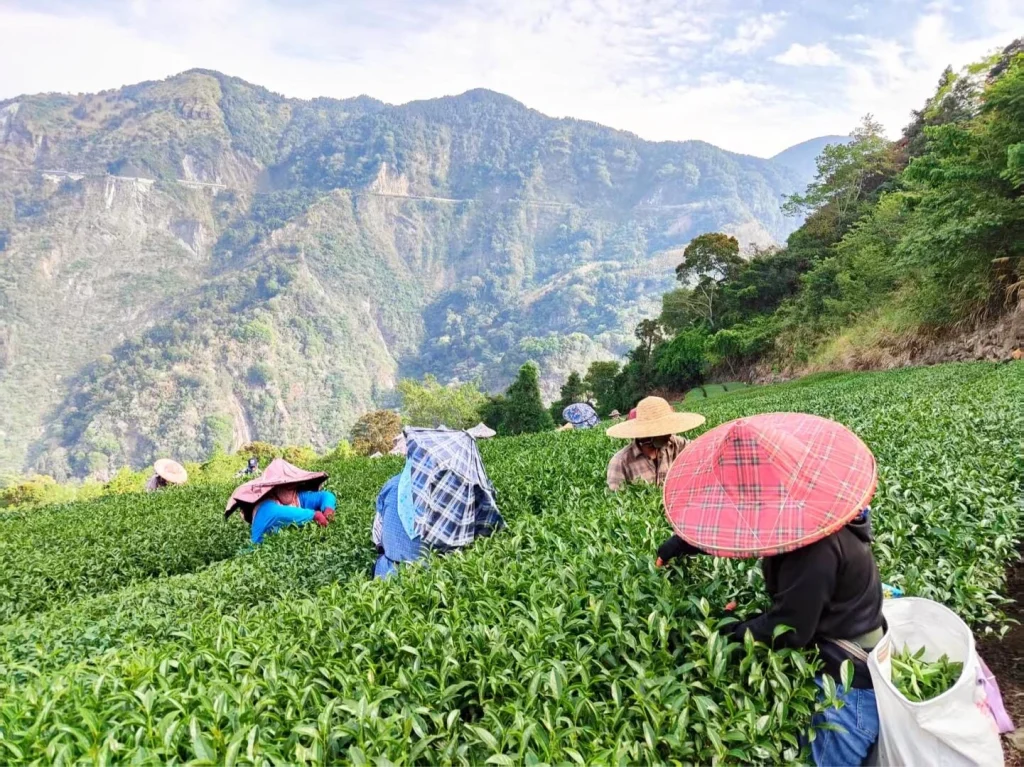
In Taiwan, tea is more than a drink—it’s an art. Experience traditional tea rituals at Wistaria Tea House in Taipei or Chun Shui Tang in Taichung. Learn to brew oolong with elegance, understand the etiquette of pouring, and sip your way into centuries of Chinese tea heritage.
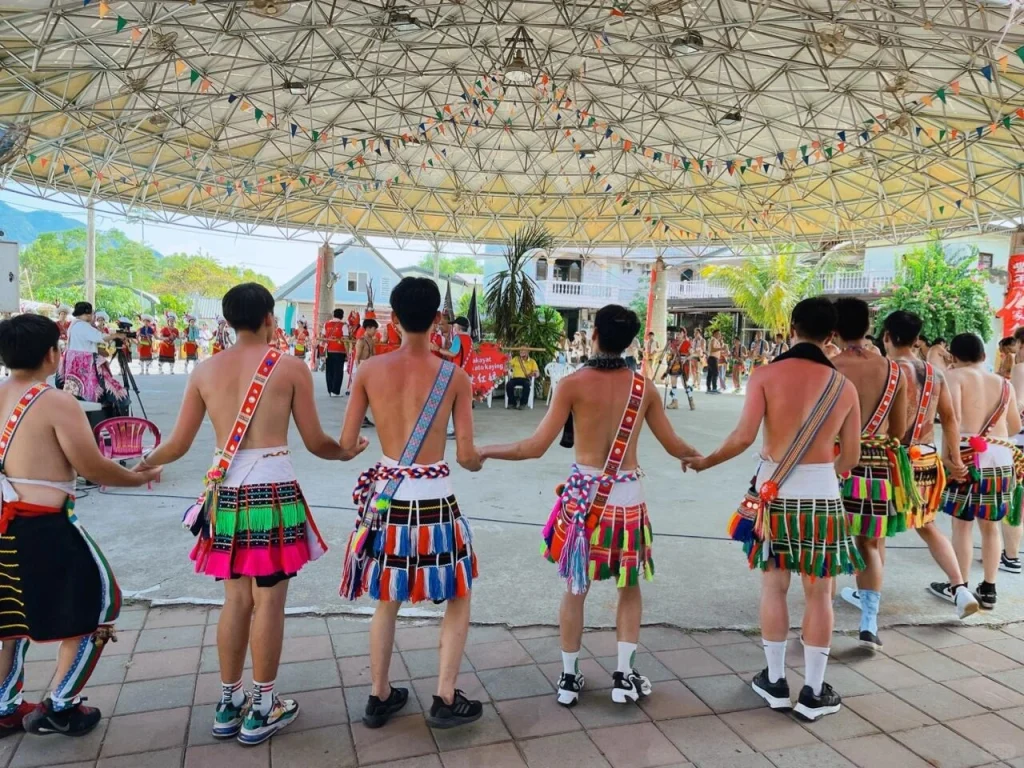
Beyond the Amis, visit Atayal villages in Miaoli or Paiwan communities in Pingtung. Depending on the season, you may join celebrations like the Harvest Festival or Ancestral Spirit Rites, which blend ritual, dance, and storytelling.
Learn to weave with bamboo or fabric, carve wood masks, or make silver ornaments. Many tribal communities offer DIY sessions where you can create and take home your own handcrafted souvenirs.
Watch or join performances of indigenous music and dance—often centered on themes of nature, spirits, and survival. Some villages offer participatory classes with English interpretation, making it an unforgettable cross-cultural exchange.
Taiwan’s creative industries are booming. Explore the Huashan 1914 Creative Park in Taipei or CMP Eslite Green Park Road in Taichung to browse pop-up exhibits, independent design shops, and local brands. Perfect for souvenir hunting with style.
Mazu Pilgrimage (March, Lunar Calendar): Taiwan’s largest religious event, held in Tainan, features a multi-day parade honoring the sea goddess Mazu. Look for English guides and route maps to follow the procession.
New Year Celebrations: Ring in the Lunar New Year with fireworks at Taipei 101 or join the riverside festivities along Kaohsiung’s Love River. It’s a time for family, fireworks, and food.
Night markets aren’t just food courts—they’re modern folklore. Join the local flow of strolling, snacking, and socializing. Each market offers regional specialties and a slice of everyday Taiwanese life, full of sounds, smells, and street-side stories.
From sizzling street food to indigenous delicacies and Michelin-star creativity, Taiwan is a paradise for food lovers. Every region offers a different flavor, and every bite tells a story of culture, history, and innovation.
Taiwan’s street food is legendary. Don’t miss oyster omelets (蚵仔煎), braised pork rice (卤肉饭), Ah-Chung thick vermicelli (阿宗面线), sausage in sticky rice (大肠包小肠), deep-fried squid (轰炸大鱿鱼), mango shaved ice (芒果冰), and the world-famous bubble milk tea (珍珠奶茶)—a Taiwanese invention.
Try Danzai noodles in Tainan, fresh seafood at Kaohsiung’s Liuhe Night Market, wontons (扁食) in Hualien, sashimi in Kenting, high mountain tea from Alishan, and the robust Kaoliang liquor from Kinmen.
Experience tribal flavors with millet wine, stone-grilled meats, Amis-style sticky rice, and Paiwan bamboo rice—earthy, smoky, and deeply rooted in the land.
Sample artisan ice cream at Miyahara, design-inspired cafés in Eslite bookstores, or refined contemporary Cantonese dishes at Michelin-starred restaurants across Taipei.
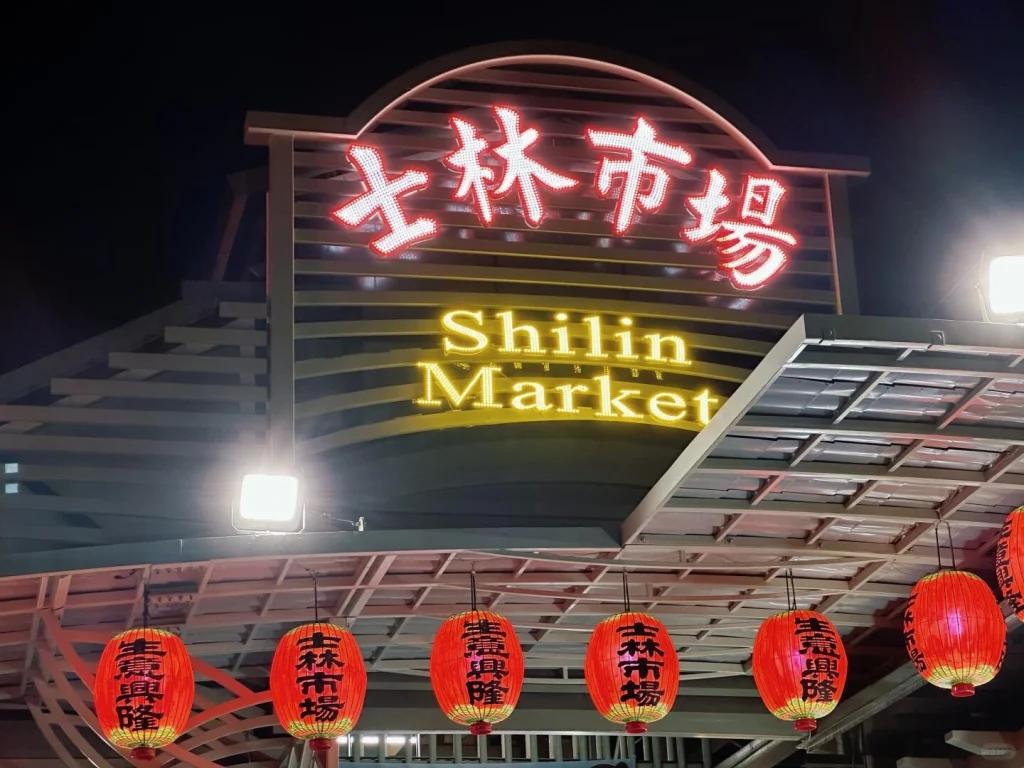
Explore Shilin Night Market for classics, Ximending for trendy street eats, Ningxia Night Market for local snacks, and Yongkang Street for signature braised pork rice and xiaolongbao.
Feast at Feng Chia Night Market, browse food stalls in the Yizhong Shopping District, and treat yourself to desserts at Miyahara Ice Cream.
Snack around Chihkan Tower and Anping Fort, or head to the vibrant Flower Night Market for regional delicacies.
Head to Liuhe Night Market for quick eats or explore Cijin Seafood Street on the peninsula for fresh catches of the day.
Dive into the tropical flavors at Kenting Street Night Market or explore street snacks in Hengchun Old Town.
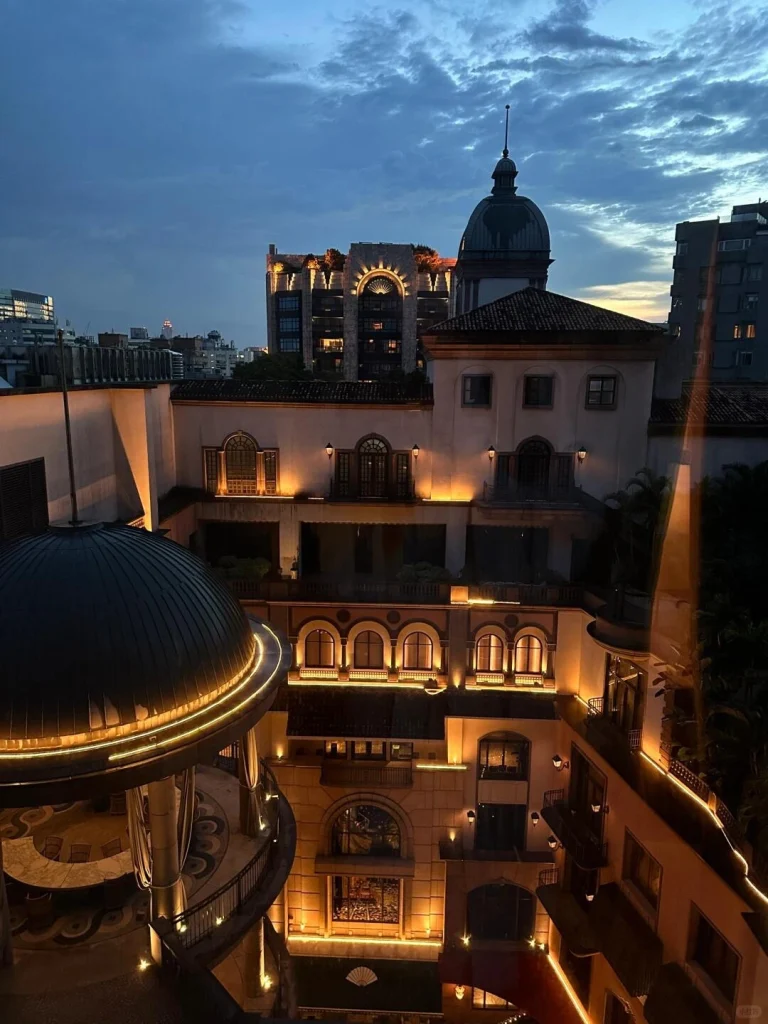
Whether you’re seeking five-star luxury with skyline views or a cozy hostel by the beach, Taiwan offers a wide range of accommodations to suit every travel style and budget.
Taiwan’s capital city has everything from luxury hotels near cultural landmarks to hip design hotels and affordable hostels in the city’s liveliest neighborhoods.
Luxury:
Mandarin Oriental Taipei (台北文华东方酒店) – Near the National Palace Museum, with elegant design and world-class service (approx. NT$10,000/night)
W Taipei (W 酒店) – A modern icon next to Taipei 101, popular with business and style-conscious travelers (approx. NT$8,000/night)
Mid-Range:
Ji Hotel Ximending (全季酒店 西门町店) – A clean, comfortable chain hotel right in the heart of the action (approx. NT$3,000/night)
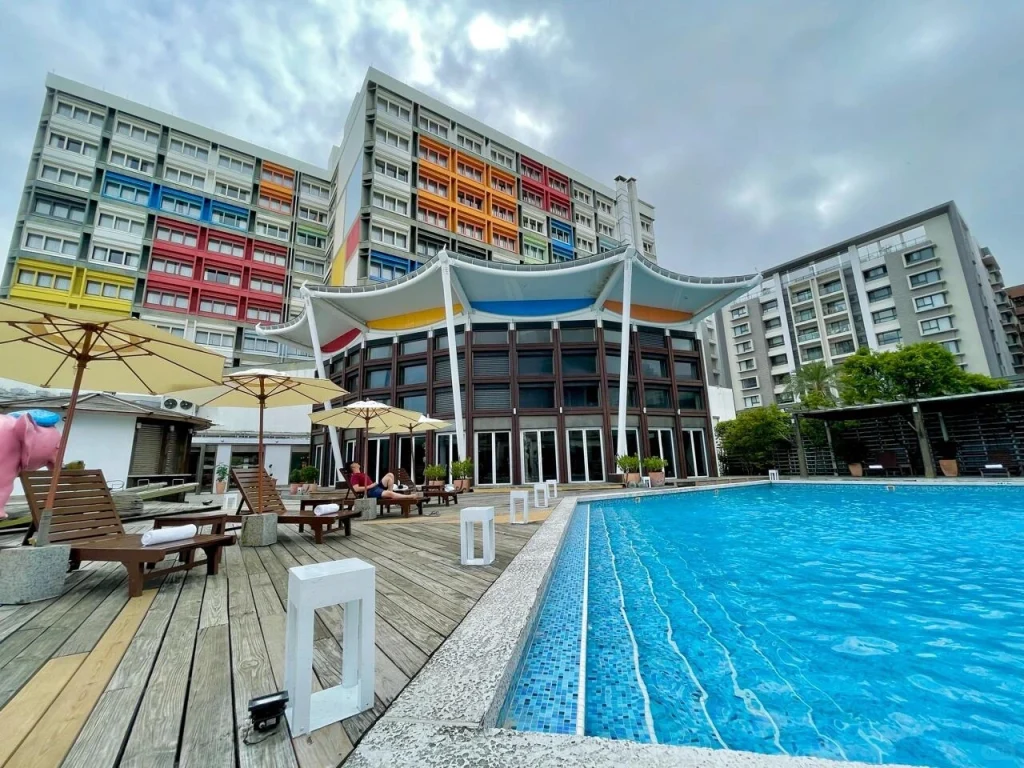
Eslite Hotel (诚品文旅) – A creative design hotel blending literature, aesthetics, and staycation comfort (approx. NT$4,000/night)
Budget:
Backpacker Hostels like Taipei Backpackers Hostel offer dorm beds starting from NT$800/night, ideal for solo travelers and students
Perfect for a seaside escape, Kenting offers beachfront resorts, friendly guesthouses, and budget-friendly hostels right near the night market and coast.
Luxury:
Chateau Beach Resort Kenting (垦丁夏都沙滩酒店) – A top beachfront resort with sea views and private beach access (approx. NT$6,000/night)
Mid-Range:
Kenting Guesthouses near Kenting Street, like South Border Inn (国境之南民宿), are cozy and close to the action (approx. NT$2,500/night)
Budget:
Hostels and B&Bs offer dorm beds from around NT$1,000/night—great for surfers, backpackers, and budget travelers
A gateway to Taroko Gorge and Taiwan’s east coast, Hualien’s accommodations are welcoming, scenic, and often nature-inspired.
Mid-Range:
Chateau de Chine Hotel Hualien (花莲翰品酒店) – A convenient and family-friendly option near the city center (approx. NT$3,500/night)
Budget:
Homestays and Guesthouses like Slow Living B&B (花莲慢漫民宿) offer comfort, charm, and local flair at around NT$2,000/night
This classic 7-day loop through Taiwan connects the island’s cultural heartlands, coastal beauty, and mountain escapes. Designed for international travelers, the journey flows smoothly from vibrant cities to serene landscapes—with a balance of iconic sights, authentic food, and immersive cultural experiences.
Morning – Ancient Treasures
National Palace Museum (台北故宫博物院): Arrive at 9:00 AM to beat the crowds. Rent an English audio guide (NT$400) and focus on must-sees like the Jadeite Cabbage, Meat-Shaped Stone, and Mao Gong Ding.
Lunch: Try braised pork rice or sticky rice near the museum (approx. NT$150/person).
Afternoon – Urban Icons
Taipei 101: Ride the world’s fastest elevator to the 89th-floor observatory (NT$600). Enjoy panoramic views and explore the designer shops for cultural souvenirs.
Chiang Kai-shek Memorial Hall: Watch the guard change at 3:00 PM and learn about Taiwan’s modern history through bilingual exhibits.
Evening – Night Market Flavor
Shilin Night Market: MRT-accessible. Sample oyster omelets, giant fried squid, and mango shaved ice as you explore the city’s vibrant street food culture.
Stay: Mid-range hotel near Ximending or Taipei 101 (e.g., Ji Hotel, approx. NT$3,000/night).
Morning – Riverside History
Tamsui Old Street: Ride the MRT Red Line to this colonial-era waterfront town. Try local fish balls and iron eggs. Visit Fort San Domingo (NT$100).
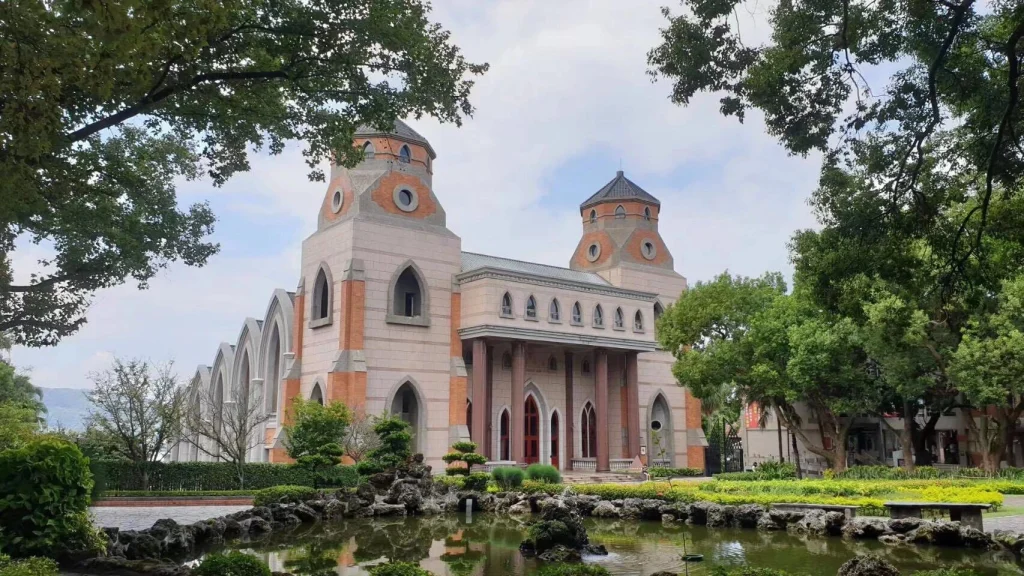
Aletheia University: Walk through a serene campus of red-brick Gothic architecture, featured in the film Secret.
Afternoon – Sunset by the Sea
Fisherman’s Wharf: Stroll or cycle to Lover’s Bridge for a golden sunset over the bay.
Lunch: Enjoy fresh seafood at the wharf (approx. NT$300/person).
Evening – Back in the City
Ximending: Shop at Eslite, grab local favorites like Ah-Chung noodles or sausage-in-rice-bun (approx. NT$100/person).
Stay: Same hotel as Day 1 for convenience.
Morning – Journey to the Highlands
Transport: High-speed rail from Taipei to Taichung (1 hr, NT$700), then Nantou Bus to Cingjing Farm (2.5 hrs).
Cingjing Farm: Check into a highland guesthouse, meet the grazing sheep, and breathe in the mountain air.
Afternoon – Nature & Activity
Walk the Margaret Trail, surrounded by wildflowers and rolling hills.
Watch the 3:30 PM Sheep Show (with English commentary) and feed the flock.
Evening – Stargazing & Local Cuisine
Dinner: Try alpine vegetables and roasted lamb at the guesthouse (approx. NT$350).
Stay: Unique mountain B&B like The Old England Manor (approx. NT$4,000/night, breakfast included).
Morning – Into the Misty Woods
Transport: Nantou Bus to Alishan (approx. 2 hrs). Check in and store luggage.
Alishan Sacred Tree Trail: Walk among ancient red cypress trees and learn about Taiwan’s forest ecology.
Afternoon – Cloud Watching & Quiet Trails
Stroll around Sisters Ponds, a tranquil forest lake surrounded by mist.
Book your Zhushan Sunrise Train ticket for the next morning (NT$150).
Evening – Mountain Meal & Rest
Dinner: Enjoy forest-sourced dishes and stream-caught fish near the station (approx. NT$250).
Stay: Alishan B&B inside the scenic area (approx. NT$3,500/night).
Morning – Golden Horizons
Ride the Zhushan Train to watch the sun rise over misty peaks—unforgettable, especially in winter when snow dusts the trees.
After breakfast, take the bus to Chiayi HSR Station and transfer to Tainan (1 hr, NT$400).
Afternoon – History Comes Alive
Chihkan Tower: Explore this fusion of Dutch and Chinese architecture, with clear English panels.
Tainan Confucius Temple: Visit Taiwan’s oldest Confucian academy and enjoy local eats nearby like Danzai noodles and Coffin Toast.
Evening – Market Time
Flower Night Market: One of Taiwan’s largest—try eel noodles, shrimp rice, and fresh papaya milk.
Stay: Boutique guesthouse near Tainan Railway Station (e.g., Your Love Inn, approx. NT$2,500/night).
Morning – Final Touch of History
Anping Fort: Climb the ramparts of Taiwan’s oldest fortress and shop for preserved fruits at nearby stalls.
Lunch: Sample Anping shrimp rolls and oyster omelets (approx. NT$200/person).
Afternoon – Southbound to the Tropics
Transport: Direct Kenting Express from Tainan Station (approx. 2 hrs, NT$450). Check into your beachside stay.
Evening – Seaside Strolls
Kenting Night Market: Feast on grilled seafood and tropical desserts like mango ice. Rent an e-scooter (NT$200/day) for next-day sightseeing.
Stay: Guesthouse near Kenting Street or South Bay (e.g., South Border Inn, approx. NT$3,000/night).
Morning – Coastal Highlights
Eluanbi Park: Ride to Taiwan’s southernmost point and see the white lighthouse against a coral coast backdrop.
South Bay: Relax on the sand or dip your feet in the clear waters—one last taste of Taiwan’s tropical side.
Afternoon – Return to the City
Transport: Kenting Express back to Kaohsiung (approx. 2 hrs, NT$450).
Quick tour of Love River (opt for a boat cruise if time allows), then snack at Liuhe Night Market—seafood skewers and sticky rice in bamboo tubes make great final bites.
Head to Kaohsiung International Airport or HSR Station for your departure.
| Category | Budget Option | Mid-Range Option | Premium Option |
|---|---|---|---|
| Total Budget | NT$15,110 / US$504 | NT$29,210 / US$974 | NT$51,810 / US$1,727 |
| Accommodation | Budget hostels & inns NT$4,000 / US$133 | Boutique & business hotels NT$12,000 / US$400 | Luxury hotels & private villas NT$24,000 / US$800 |
| Transport | HSR standard + buses NT$4,750 / US$158 | Same as budget (comfortable + fast) NT$4,750 / US$158 | HSR business class + private car NT$7,750 / US$258 |
| Meals | Night markets & quick meals NT$2,100 / US$70 | Local restaurants + night snacks NT$4,900 / US$163 | Michelin & high-end dining NT$10,500 / US$350 |
| Entry Fees & Activities | All key sites included NT$2,260 / US$75 | Same as budget NT$2,260 / US$75 | Enhanced with VIP access & extras NT$2,260 + extras / US$75+ |
| Key Stays | Dorms & shared bathrooms | Private bathrooms, better views | Presidential suites, themed resorts |
| Transport Type | Public trains + buses | High-speed trains + buses | Business-class rail + private driver |
| Meal Style | Market snacks + simple meals | Diverse dining, local specialties | Gourmet dining, Michelin-level |
| Best For | Students, backpackers | Travelers seeking comfort & value | High-end travelers valuing privacy |
| Experience Focus | Budget-friendly sightseeing | Balanced comfort & cultural depth | Luxury, privacy, and personalized tours |
Prices are per person based on 7 days, 6 nights.
Exchange rate: NT$30 ≈ US$1.
Prices vary by season and availability.
Premium options include optional upgrades such as:
Private sunrise yacht at Sun Moon Lake (NT$2,000/hr / US$67)
Private Alishan guide (NT$1,500/day / US$50)
VIP museum tours and diving in Kenting
Budget travelers can reduce accommodation costs further by booking early or traveling off-season.
“Taiwan Tourist Shuttle” combo passes offer great savings on transportation and admission.
To compare Taiwan’s costs with other destinations nationwide, see Cost of Travel in China.
A smooth, safe, and enjoyable trip to Taiwan begins with knowing a few essentials. From visa rules to local etiquette, here’s your practical guide for staying informed, respectful, and prepared throughout your journey.
Entry Permit (for Foreign Nationals): Most foreign travelers (including those from the U.S., Canada, and EU countries) can enter visa-free for short stays. Others must apply for a Taiwan Entry Permit through an authorized travel agency, providing a passport, itinerary, and hotel booking.
Mainland Chinese Travelers: Must apply for both a Mainland Travel Permit (Tai Bao Zheng) and a Taiwan Entry Permit.
Document Safety: Always carry your original passport and entry permit. Take clear photos and store backups on your phone in case of loss.
Languages Spoken: Mandarin Chinese is the official language. You’ll also hear Taiwanese (Hokkien) and Hakka, especially among locals. Many younger people and those in tourism speak basic English.
English Support: Major attractions like the National Palace Museum, Taipei 101, and Taroko Gorge offer English signage, audio guides, or guided tours. Hotel and restaurant staff in cities usually speak conversational English.
Translation Tools: Download Google Translate and WeChat Translate in advance, with offline packages for Chinese ↔ English to assist in remote areas.
Payment Methods: Alipay and WeChat Pay are widely accepted at convenience stores, attractions, and large retailers, even with foreign credit cards linked. However, carry cash (New Taiwan Dollars) for night markets, street vendors, and rural areas.
Currency Exchange: Available at airports and banks. Approximate rate: 1 RMB ≈ 4.5 TWD, or US$1 ≈ 30 TWD. Exchange a small amount in advance for immediate use.
Tipping Culture: Tipping is not customary in Taiwan. It’s not required in hotels or restaurants, but small tips are appreciated for exceptional service.
At Cultural Sites: Stay quiet at temples and museums like the National Palace Museum or Confucius Temple. Don’t touch exhibits. In nature parks like Taroko, avoid littering or disturbing plants and wildlife.
In Indigenous Villages: Ask before taking photos. Respect local traditions and dress modestly. During tribal festivals or rituals, follow local instructions and maintain a respectful attitude.
At Night Markets: Line up patiently at food stalls. Don’t litter. When trying indigenous dishes (like millet wine), drink in moderation and show appreciation for local customs.
Tourist Scams: Avoid unlicensed street tour guides. Book day tours or private car services through verified agencies. When buying souvenirs like tea or pineapple cakes, choose reputable shops to avoid inflated prices.
Transportation Issues: Reserve high-speed rail (HSR) and train tickets in advance, especially during holidays. When hiring drivers in Kenting or Hualien, choose licensed providers and sign a proper agreement.
Food Safety: Stick to popular food stalls with long lines at night markets for better freshness. In seafood restaurants, pick places with clear prices to avoid overcharging.

Discover China’s Eight Great Ancient Capitals, including Xi’an, Beijing, and Luoyang, rich in history, cultural heritage, and iconic landmarks.

Check Metal Rooster dates for 1921, 1981 and 2041. Explore Xin-You, Pomegranate Wood, compatibility, lucky numbers and the 2026–2027 folk outlook.

Beijing is famous for Peking duck, zhajiangmian, and a variety of traditional street snacks that blend imperial refinement with local flavors.

Discover the traditions of Qingming Festival, a time for tomb-sweeping, ancestor worship, and celebrating spring with outdoor activities and special foods.

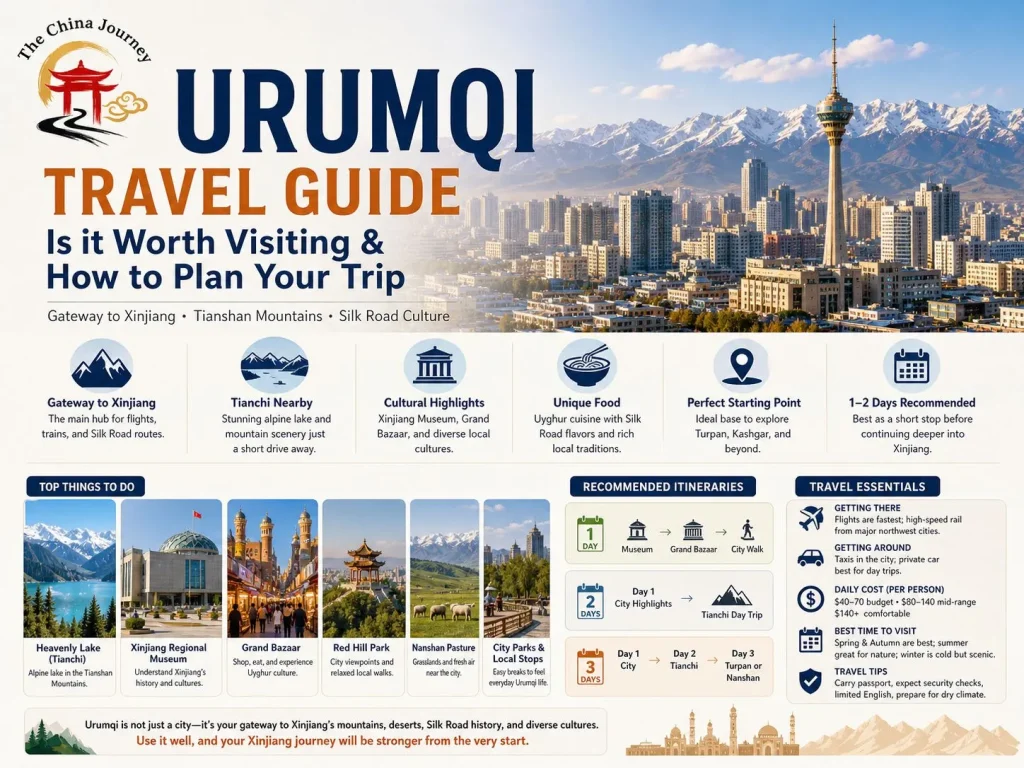
Is Urumqi worth visiting? A practical guide to Xinjiang’s gateway city, including things to do, itineraries, costs, and travel tips.

Plan your Harbin Ice and Snow Festival trip: must-see sites, tickets, transport, food, hotels, and tips to enjoy China’s top winter wonderland.
Share your travel ideas, and we’ll help you plan a smooth, personalized trip across China.
We’re looking for experienced, part-time local guides to serve international travelers.
Requirements:
• Fluent in at least one foreign language
• 3–5 years guiding international visitors
• Able to operate in multiple regions in China
• Competitive and reasonable pricing
• Proven customer reviews or testimonials
• Professional, reliable, and responsive
• Flexible availability for custom trips
Hi there!
Just a quick heads-up — a helpful user named Volker let me know that some of the non-English content on this site may not be accurate.
This site is a one-person project I run part-time. I research and publish all the content myself, and the translations are currently done by machine (Google Translate). Balancing accuracy and accessibility across multiple languages is a real challenge.
If you spot any errors, I recommend switching to the English version using the button at the bottom left. I’ll continue working to improve the translations over time.
I truly appreciate your understanding. And if you have any suggestions, feel free to leave a comment — it means a lot to me.
— Anthony 2025.6.18