Plan your first Foshan trip with the best routes, food, martial arts culture, key sights, and smart links to Guangzhou and Shunde.
Quick Answer: Is Foshan Worth Visiting for First-Time Travelers?
Yes — Foshan is worth visiting, but it is not a priority stop for every first-time China traveler. It works best as a 2–3 day Lingnan culture trip built around heritage, craft, food, and a slower city rhythm rather than blockbuster sights.
Not a universal first-choice city.
Not driven by blockbuster-sight density.
Best as a 2–3 day cultural short trip.
Strong when paired with Guangzhou.
Also fits a wider Guangdong route.
Weak for spectacle-first, checklist-style travel.
In This Guide
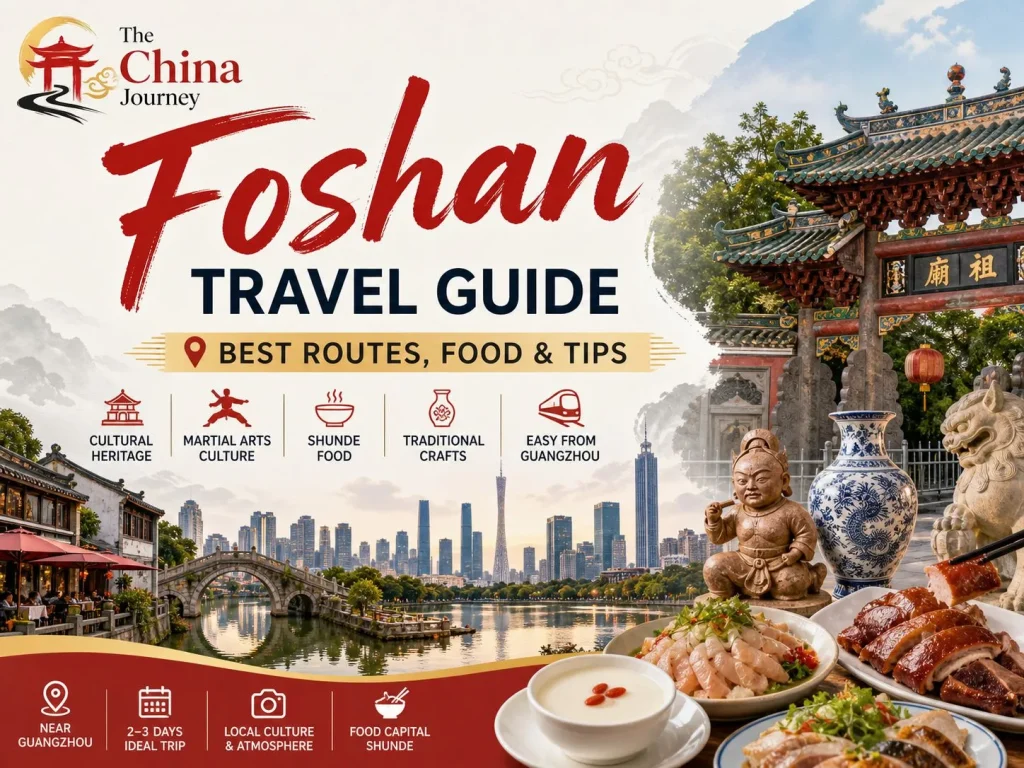
Foshan Travel Guide infographic
Foshan is best understood as a compact Lingnan culture destination rather than a city built around one standout landmark. Its core comes from Zumiao Temple, Lingnan Tiandi, martial arts culture, Shiwan ceramics, and the Shunde food extension. It sits close to Guangzhou, but it is more than a pass-through stop.
This guide helps you decide whether Foshan fits your travel style, how long to stay, and what to prioritize. It breaks down route logic, key places, food strategy, and practical planning so you can build a clear itinerary without overloading it.
Foshan at a Glance
Item
Details
Chinese name
Foshan (佛山)
Province role
Key city in Guangdong, core of the Pearl River Delta, closely linked with Guangzhou
Best first-time role
Lingnan culture short-trip destination, ideal as a Guangzhou extension
Best known for
Martial arts culture, Cantonese traditions, Shiwan ceramics, Shunde food
Best trip length
2–3 days (most balanced for first-time visits)
Best time to visit
Autumn to early winter (Sept–Dec) for the most comfortable weather
Best for
Travelers interested in culture, food, crafts, and slower urban experiences
Travel style
Arrive by rail / metro / air, stay central, combine heritage, food, craft, and one selective extension
Where Is Foshan & Why Visit
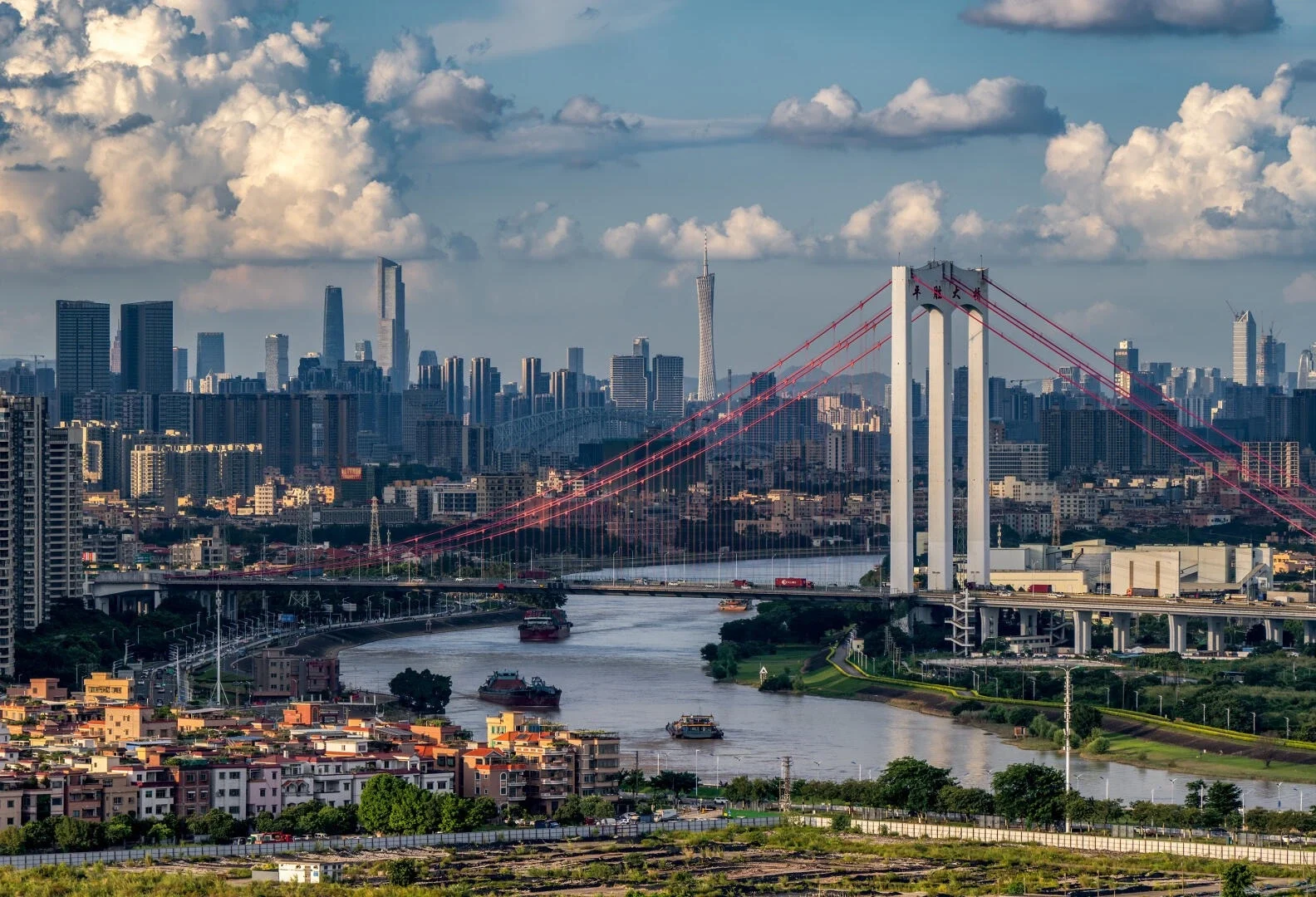
Foshan Pingsheng Bridge Skyline View
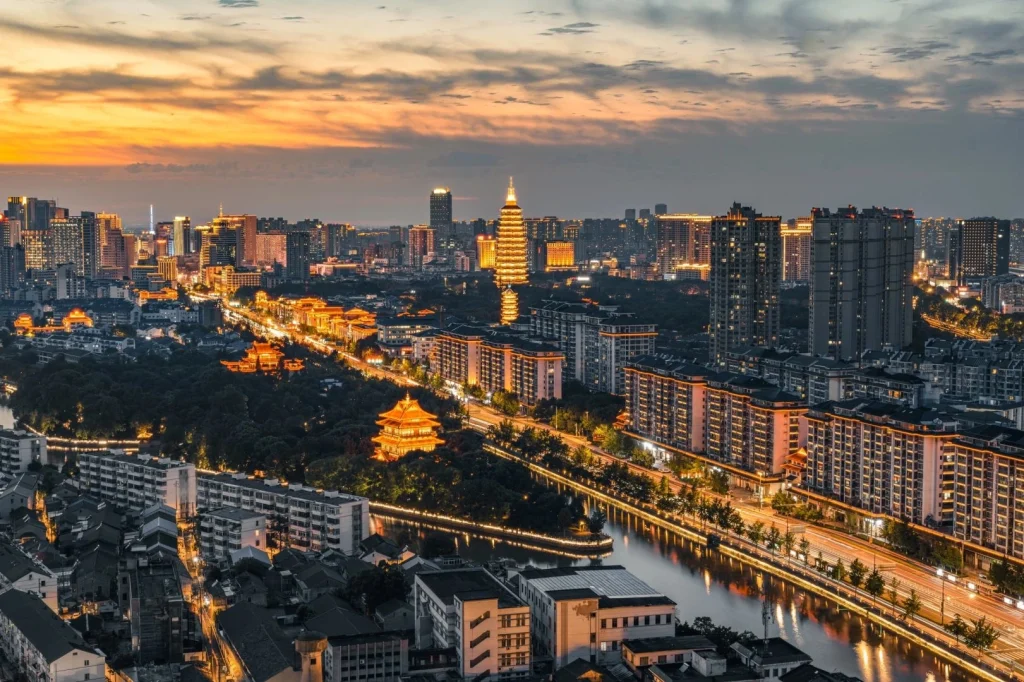
Foshan is in central Guangdong, just west of Guangzhou, in the core of the Pearl River Delta. That location makes it one of the easiest short trips in South China, with strong rail, metro, and city-to-city links. But Foshan is not valuable only because it is close to Guangzhou.
It is easy to pair with Guangzhou without feeling like the same stop.
It gives you a stronger Lingnan culture layer than a generic city break.
Martial arts culture is one of its clearest identity markers.
Shiwan ceramics add a craft tradition few nearby cities match.
Shunde food makes Foshan stronger as a short trip, not weaker.
It is strongest for travelers who want Lingnan culture, food, and everyday city texture rather than spectacle.
Who Foshan Is Best For
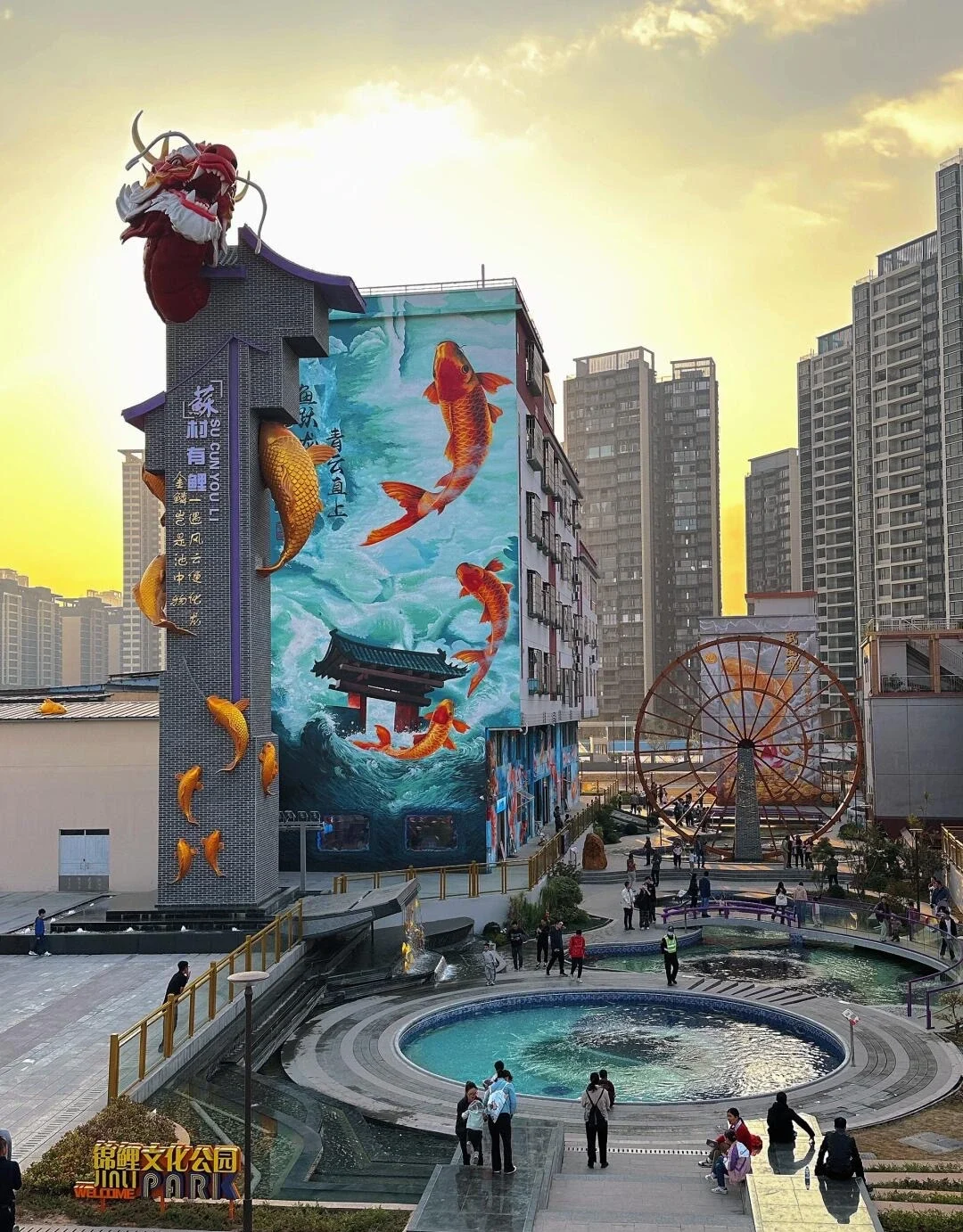
Foshan Koi Culture Park Art District
Foshan works best when your travel style matches its pace. This is not a city for nonstop highlights. It rewards travelers who focus on a few core layers and build the trip around culture, food, and everyday urban texture.
Good fit for…
Travelers who enjoy Lingnan culture cities and prefer walking, heritage areas, and daily life over big-ticket sights.
Visitors interested in martial arts, traditional crafts, and layered city culture.
Food-focused travelers willing to treat Shunde as a dedicated extension.
Travelers already visiting Guangzhou and looking for a more local Pearl River Delta city.
Maybe not ideal if…
You mainly want top-tier national landmarks.
You prefer a new high point every hour.
Your trip is mainly about dramatic natural scenery.
You have little interest in old districts, craft traditions, or regional food.
Understanding Foshan by Route Logic
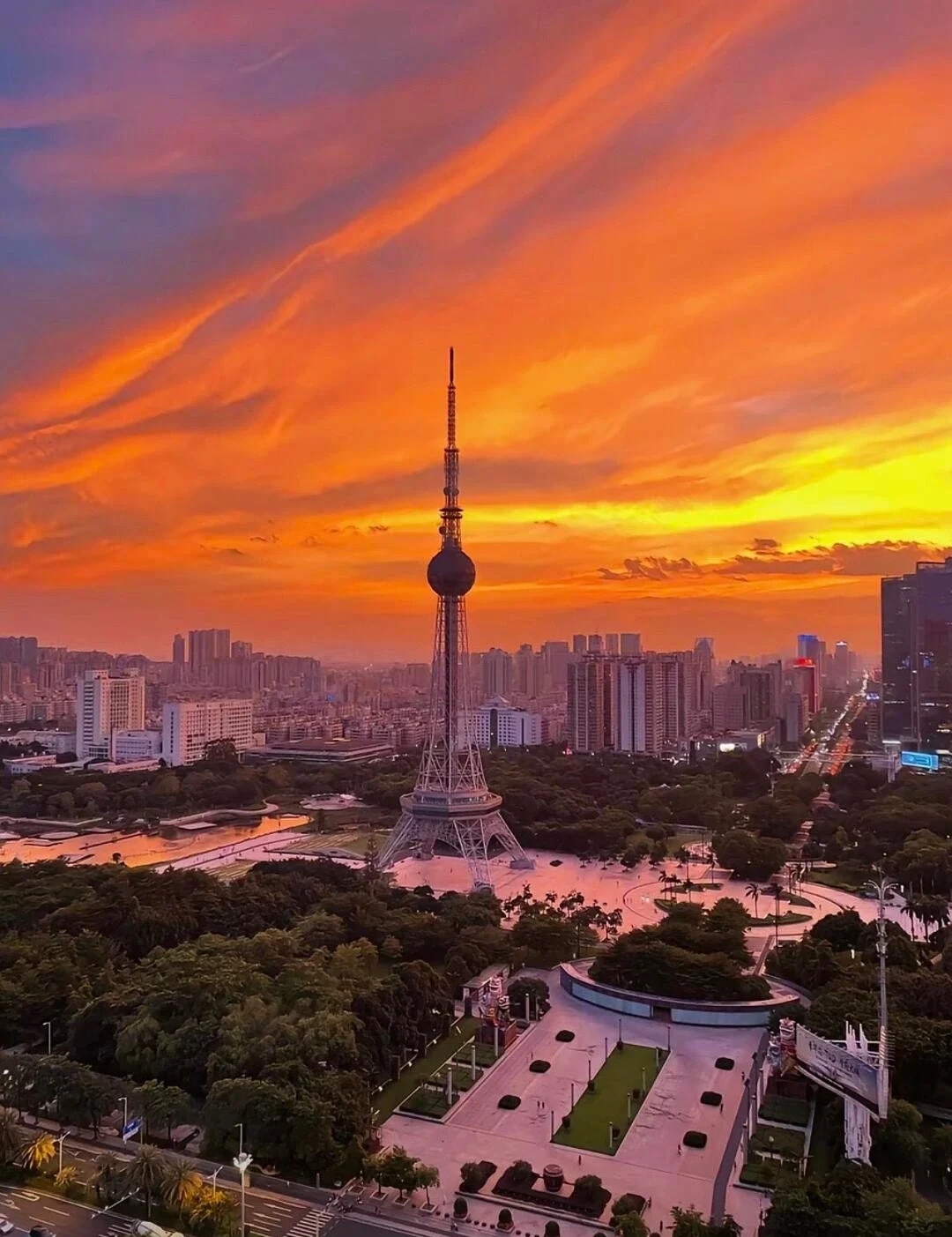
Foshan TV Tower Sunset Skyline
Foshan works best when you prioritize layers instead of trying to see everything. A first visit should secure one clear core, then add one or two supporting layers.
The city center is the cultural core and should come first. This is where temple heritage, local traditions, and martial arts identity come together most clearly.
The nearby old-meets-new district is the easiest urban layer. It adds atmosphere, food, and a useful sense of how Foshan changes beyond the temple core.
The Shiwan area is the strongest craft layer. This is where ceramics make the city feel more distinct and less interchangeable with other Guangdong stops.
Shunde is the strongest food extension, but it should be treated as a separate half-day or full-day move, not squeezed between city-center sights.
Xiqiao Mountain is the main nature extension. It adds variety, but it is optional and should not take priority over the city core or craft layer.
Martial arts culture is part of the core, not a separate route. You do not need to split it into too many scattered stops.
The most reliable first-trip structure is: core city culture + one craft or urban layer + one food or nature extension.
Best Places to Visit in Foshan
Zumiao Temple (祖庙)
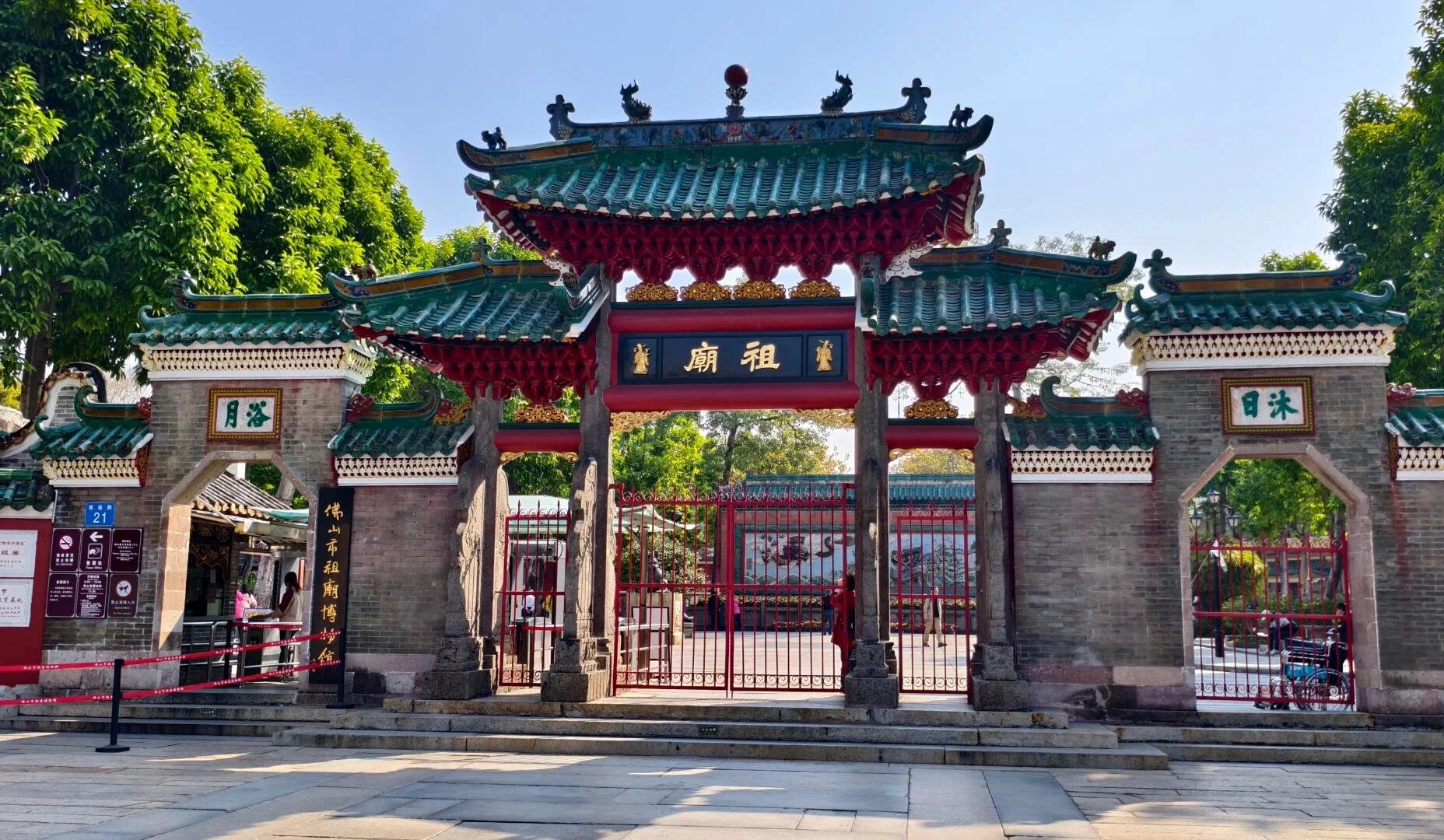
Foshan Ancestral Temple Gate
Zumiao Temple is the cultural core of Foshan and the highest-priority stop for a first visit. It brings together temple architecture, local rituals, martial arts identity, and live lion dance or kung fu performances in one concentrated space. It suits almost all first-time visitors, especially those interested in culture and heritage. In route logic, this is the anchor of the trip. If time is limited, keep this first and cut lower-priority add-ons before touching the core.
Lingnan Tiandi (岭南天地)
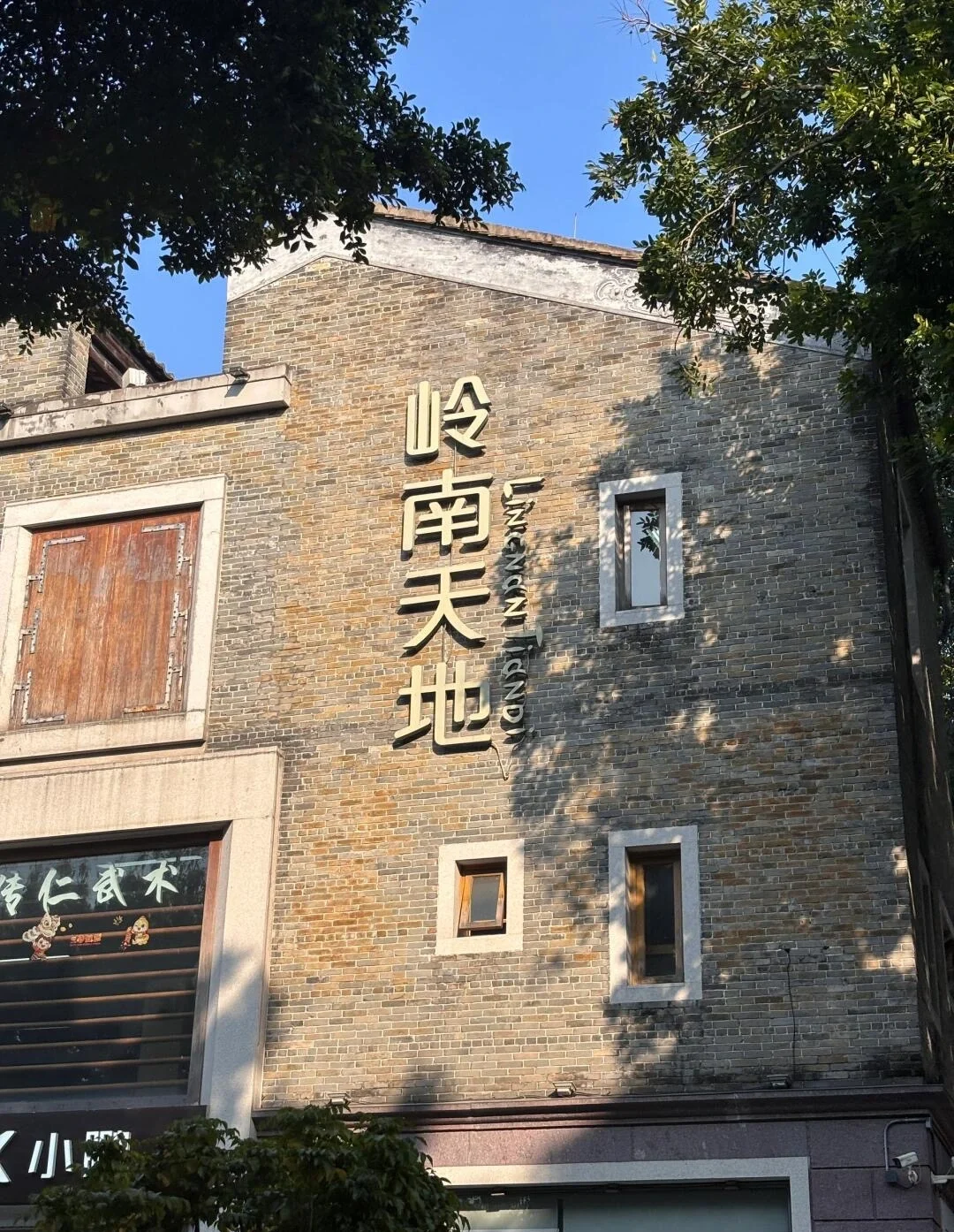
Lingnan Tiandi Historic District Foshan
Lingnan Tiandi is the easiest urban add-on to Zumiao and works naturally in the same visit. It mixes restored Lingnan buildings with cafés, shops, and slower street walking, making it useful for travelers who want atmosphere without adding much transport time. In route logic, this is a convenient urban layer rather than a standalone destination. If time is tight, keep it short, but it is usually worth including because of how easily it pairs with the core.
Nanfeng Kiln / Shiwan Ceramics Area (南风古灶 / 石湾)
Nanfeng Ancient Kiln Foshan Heritage Site
Nanfeng Kiln / Shiwan is Foshan’s strongest craft layer and the clearest way to understand its ceramics identity. You can see old kiln structures, working traditions, and sometimes join hands-on pottery experiences. It suits travelers interested in craft, heritage industry, and cultural process rather than just sightseeing. In route logic, this is the strongest second layer after the city-center core. If choosing between craft and nature, this is usually the better first-trip choice.
Shunde & Qinghui Garden (顺德 / 清晖园)
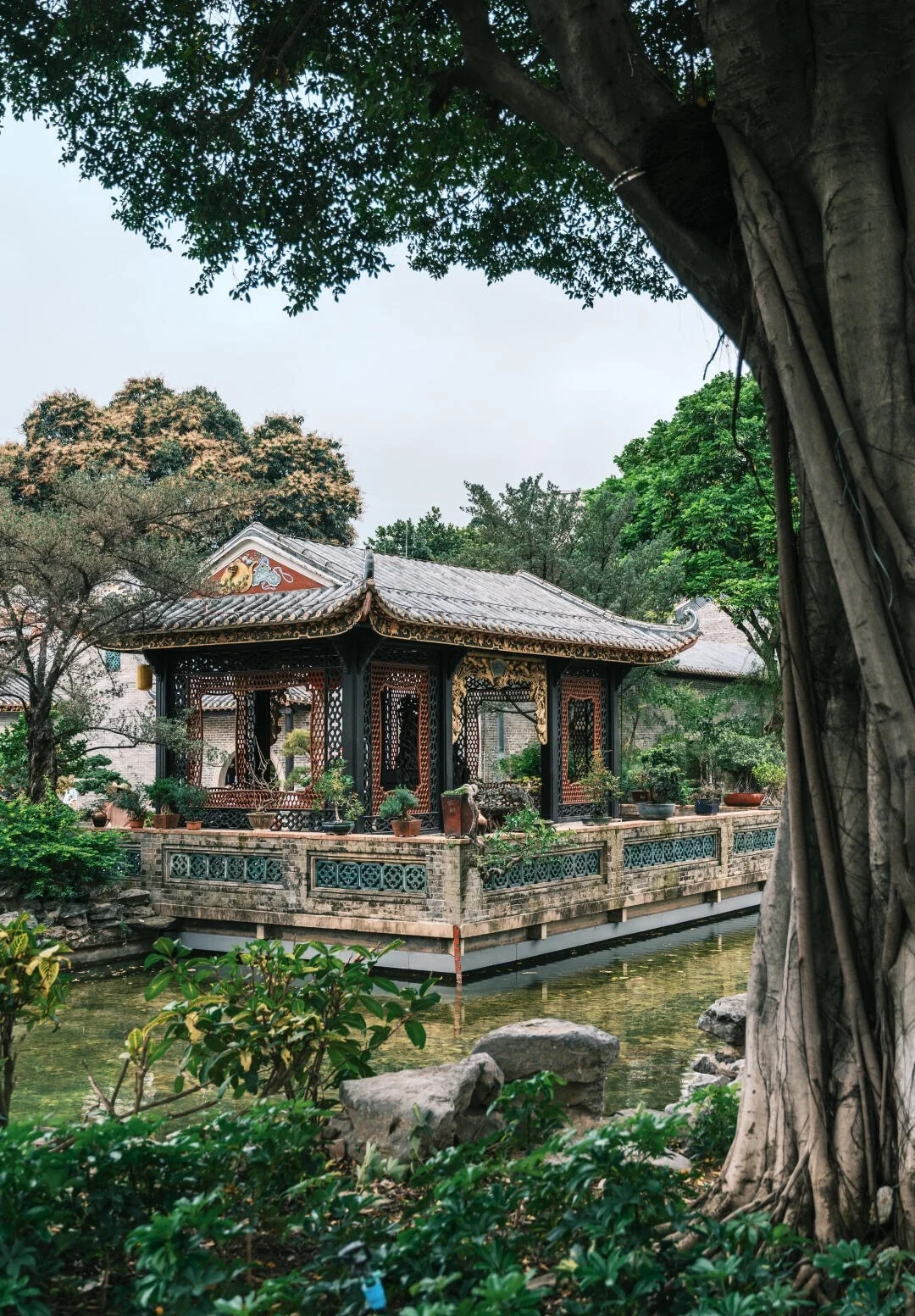
Qinghui Garden Classical Chinese Garden
Shunde & Qinghui Garden form Foshan’s strongest food extension. Qinghui Garden adds a Lingnan garden layer, but for many visitors the main reason to go is still the food. This area suits travelers who want to structure part of the trip around eating rather than only sightseeing. In route logic, it is not part of the main city core and should not replace it. Secure Foshan city first, then add Shunde if food is a real priority.
Xiqiao Mountain (西樵山)
Xiqiao Mountain Scenic Entrance Foshan
Xiqiao Mountain is the main nature extension in Foshan, with hiking paths, temples, and viewpoints that add variety to a longer trip. It suits travelers who want some outdoor time or a softer cultural landscape. But it takes more travel time and is not essential on a first visit. In route logic, it ranks below the city core, Lingnan Tiandi, and the Shiwan craft layer. Add it only if you have enough time.
Liangyuan Garden (梁园)
Liang Garden Foshan Traditional Courtyard
Liangyuan Garden is a quieter cultural stop known for its refined Lingnan garden style and calmer local feel. It suits travelers who prefer slower, less touristy spaces over busier heritage streets. In route logic, it is a supplementary city-center stop rather than a major anchor. It sits below Zumiao and Shiwan in priority, and works best if you want a garden layer instead of more urban atmosphere.
Martial Arts Culture (Kung Fu Layer)
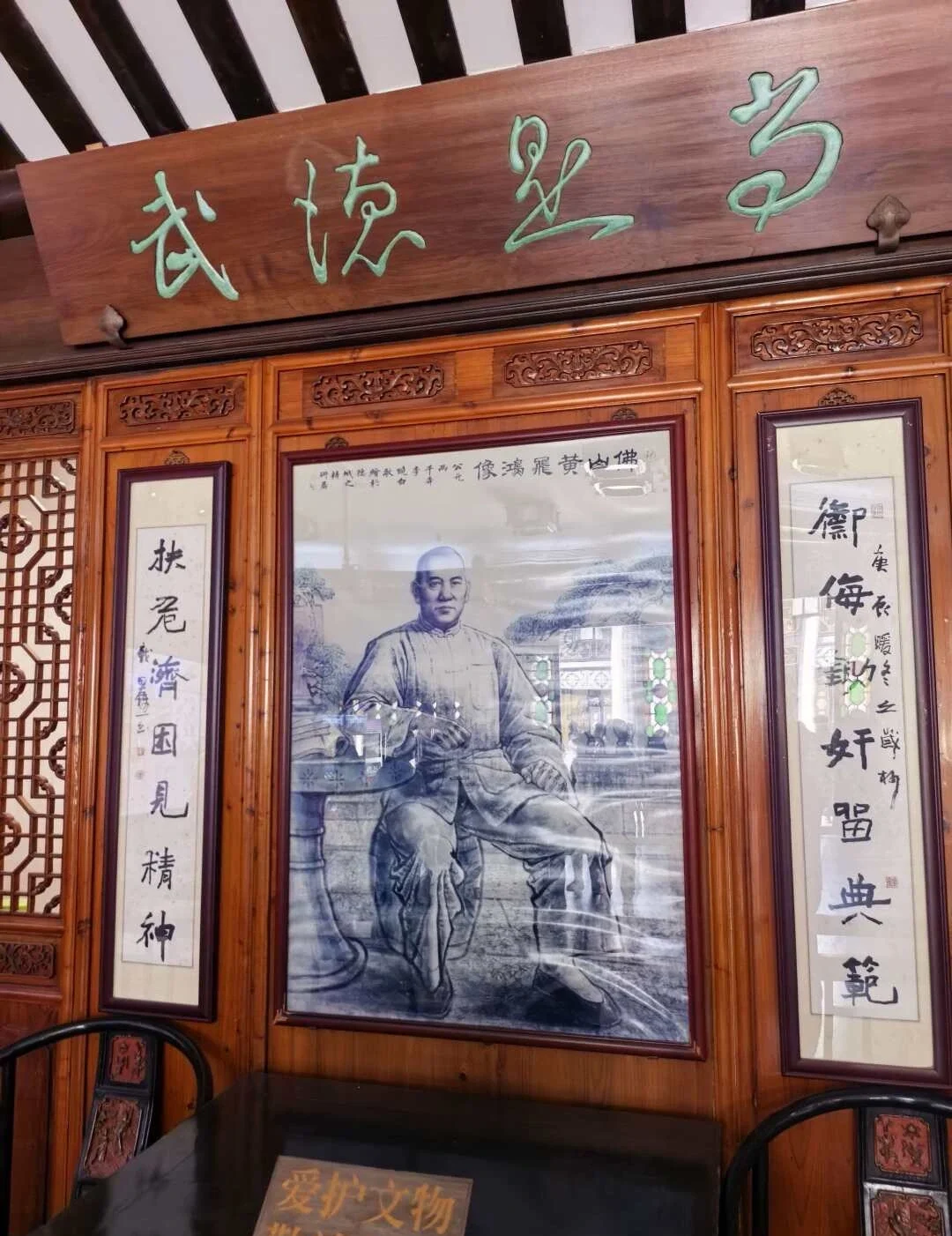
Huang Feihong Memorial Hall Interior Display
Foshan’s martial arts culture is one of its clearest identity markers, linked with figures such as Wong Fei-hung and Ip Man. The most efficient way to experience this layer is within the main temple area, where exhibitions and performances are concentrated. It suits travelers interested in cultural identity and local symbols. In route logic, it is not a separate destination, but part of the city-center core.
Qiandeng Lake Park (千灯湖公园)
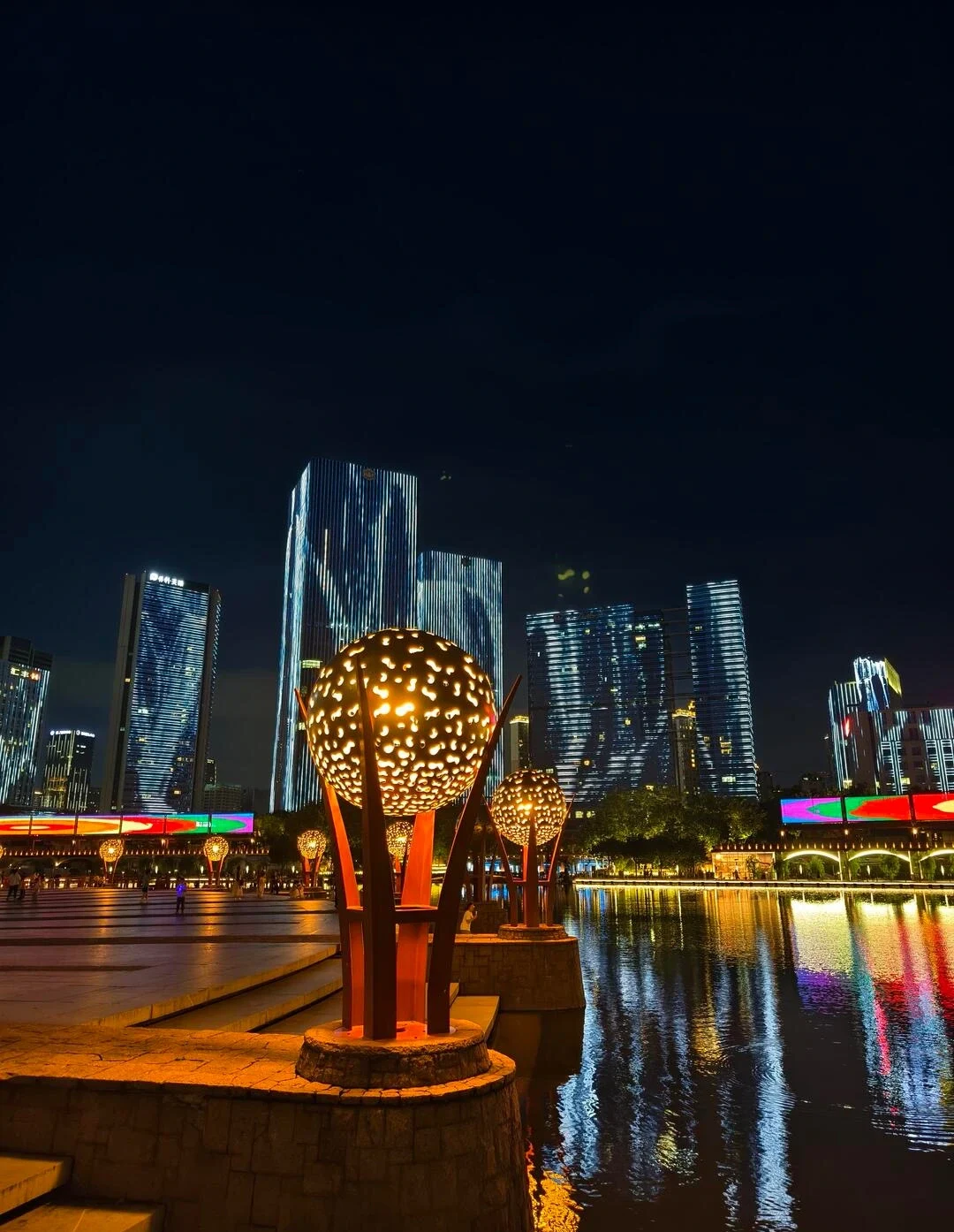
Qiandeng Lake Night Cityscape Foshan
Qiandeng Lake Park is a city-life add-on rather than a core sight. It offers open space, water views, and a more modern urban atmosphere, especially in the evening. It suits travelers who want downtime after cultural visits. In route logic, it is optional and low priority, best added at the end of a day rather than replacing any core or extension layer.
How Many Days Do You Need in Foshan?
Foshan Morning City Skyline View
Foshan works best when you match your time to its layered structure rather than trying to compress everything. The goal is to secure the cultural core first, then add depth selectively.
1 day — Only enough for the city-center cultural core. Focus on the main temple area and nearby urban layer. You will miss craft, food extension, and any deeper experience.
2 days — A solid minimum. Covers the core plus one meaningful extension, usually craft or food. The pace is efficient but still manageable for first-time visitors.
3 days — The most balanced and recommended option. You can combine core culture, craft depth, and one extension without rushing.
4–5 days — Best for slower travel. Allows deeper Shunde exploration, a nature extension, and time for smaller or less central stops.
In short, 2–3 days is the most reliable structure for a first visit, while longer stays are only needed if you want to expand beyond the core experience.
Best Foshan Itineraries for First-Time Visitors
1 day in Foshan
Foshan Ancestral Temple Roof Details
Who it’s for
Travelers with very limited time or those passing through, who want a quick but clear introduction to the city.
Route logic
Focus entirely on the cultural core and avoid all extensions. Keep movement minimal and prioritize walkable areas.
It captures Foshan’s identity in the shortest time by concentrating on what matters most. Adding extra stops would only reduce clarity and increase fatigue.
2 days in Foshan
Lingnan Tiandi Street Scene Foshan
Who it’s for
Most first-time visitors who want to see the essentials without overloading the schedule.
Route logic
Core culture on Day 1, then add one strong extension on Day 2, either craft or food.
Main stops
Day 1: Zumiao Temple → Lingnan Tiandi
Day 2: Nanfeng Kiln / Shiwan or Shunde
Why this itinerary works
It balances depth and efficiency. You secure the core experience while adding one distinctive layer, which is enough to make the trip feel complete.
3 days in Foshan
Shunde Qinghui Garden Pavilion Pond
Who it’s for
Travelers who want a fuller experience without rushing and prefer a more relaxed pace.
Route logic
Layer the trip: core culture, then craft, then one extension such as food or nature.
Main stops
Day 1: Zumiao Temple → Lingnan Tiandi
Day 2: Nanfeng Kiln / Shiwan → optional Liangyuan
Day 3: Shunde or Xiqiao Mountain
Why this itinerary works
This is the most mature structure. It allows each layer to be experienced properly without competing for time, giving a more complete view of Foshan.
4–5 days in Foshan
Nanfeng Ancient Kiln Historic Complex
Who it’s for
Slow travelers or those combining Foshan into a wider Guangdong trip without time pressure.
Route logic
Start with the 3-day structure, then expand depth rather than adding random stops.
Main stops
Core city + Shiwan + Shunde + optional Xiqiao Mountain + one slower city add-on
Why this itinerary works
It turns Foshan into a slower, more immersive destination. Instead of rushing between places, you gain a better sense of rhythm, detail, and local life.
Best Things to Do in Foshan
Qinghui Garden Scenic Courtyard View
Watch the lion dance and kung fu performances inside the main temple complex, because this is the fastest way to understand Foshan’s local identity through movement rather than just architecture.
Walk from the temple area into the surrounding old-city streets and Lingnan Tiandi, so you can feel how traditional urban texture and updated city space connect.
Go beyond looking at ceramics by visiting the kiln area and trying a hands-on pottery session if available. Foshan makes more sense when craft becomes an experience, not just an exhibit.
Treat Shunde as a food mission, not a side stop. Go there to eat with purpose instead of trying to squeeze it between city-center attractions.
Treat Foshan as a slow cultural city rather than a checklist destination. Leave time for walking, eating, and observing how the city feels.
If you have enough time, add Xiqiao Mountain for one nature layer, but only after securing the cultural core first.
Notice how Foshan differs from Guangzhou: it usually feels more local, more compact, and more rooted in craft and neighborhood rhythm.
Keep the trip selective. Foshan is stronger as a few well-chosen layers than as a crowded checklist.
Best Time to Visit Foshan
Foshan can be visited year-round, but weather changes the experience a lot. For most first-time visitors, autumn and winter are the safest seasons because walking is easier, food trips feel more comfortable, and the city’s slower rhythm makes more sense in drier weather.
Spring
Foshan Zhiwei River Park Spring
Spring is workable, but usually humid and damp. Old-street walking, temple visits, and garden-style stops can still be pleasant, especially on lighter-weather days, but you should expect moisture in the air and occasional rain. Craft and kiln visits remain a good fit because they depend less on weather than longer outdoor plans.
Summer
Foshan Summer Sunset Reflection View
Summer is the hardest season for most travelers. Foshan becomes hot, sticky, and tiring by midday, and heavy rain can disrupt plans quickly. Guangdong’s storm and typhoon risk also matters in this period. Food and indoor craft experiences still work, but old-street walking and any Xiqiao Mountain extension become much less comfortable. If visiting in summer, keep the schedule light and flexible.
Autumn
Xiqiao Mountain Autumn Lakeside View
Autumn is usually the best overall season. Humidity drops, walking feels easier, and heritage areas, food stops, and kiln visits fit naturally into the day. It is also the easiest season for adding Xiqiao Mountain without turning the trip into a heat-management exercise. For most first-time visitors, this is the clearest season to understand Foshan well.
Winter
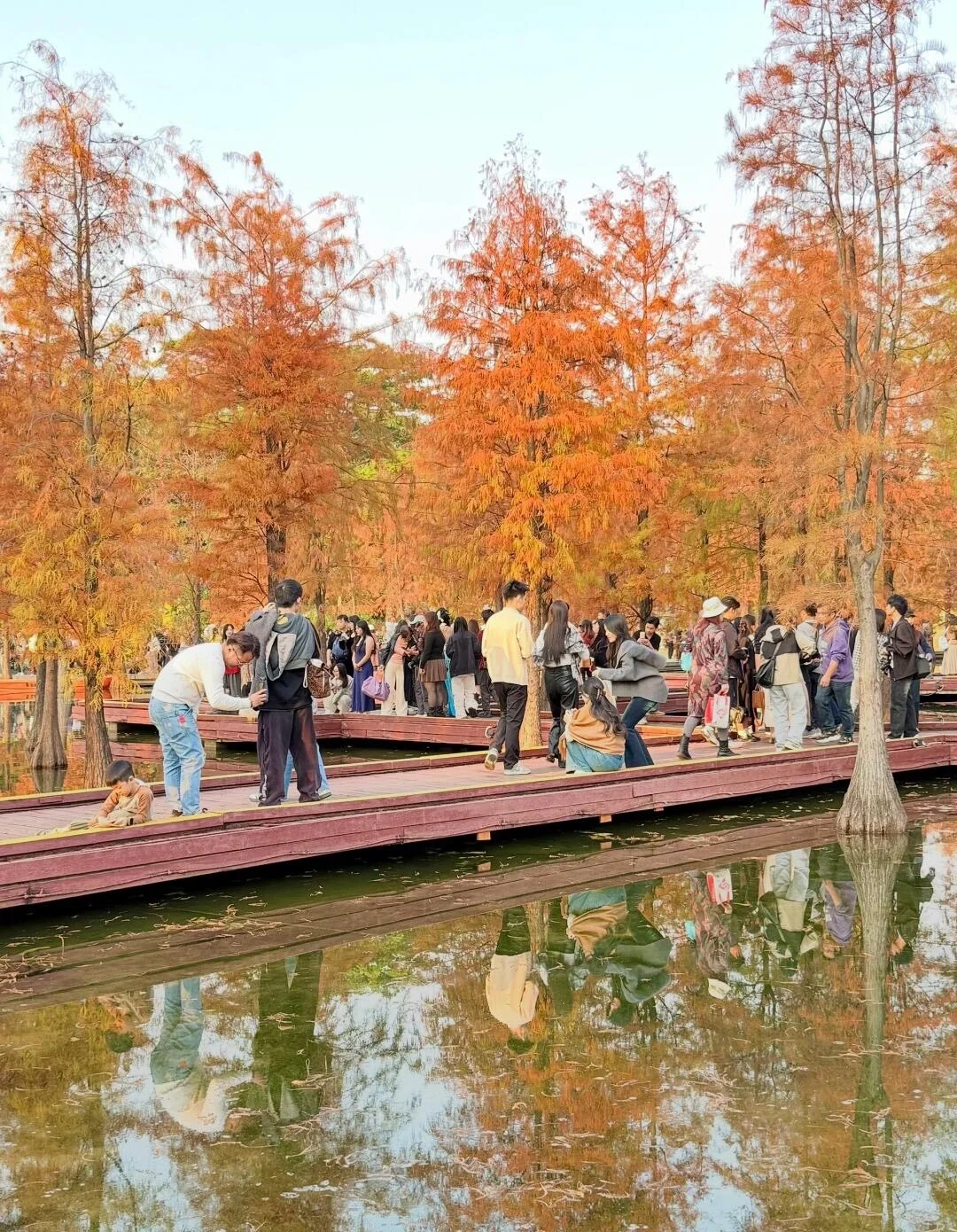
Qiandeng Lake Winter Metasequoia Trees Foshan
Winter in Foshan is mild, not cold. It works very well for city walking, temple visits, compact cultural routes, and food-focused days. You do not come for winter scenery, but you do get a calmer, more comfortable version of the city, which makes winter a strong choice for slower travel.
Quick take
Autumn and winter are the most reliable seasons.
Spring is humid but still workable.
Summer is the hardest season because of heat, rain, and typhoon risk.
Old-street walking is strongest in autumn and winter.
Food works year-round, but is far more comfortable outside summer.
Craft visits are less weather-sensitive than outdoor days.
Xiqiao Mountain is best added outside the hottest and wettest months.
How to Get to Foshan
Foshan is easy to reach. For most first-time visitors, the most practical entry pattern is Guangzhou plus rail or metro rather than flying directly into Foshan.
By rail / metro
Foshan West Railway Station High Speed Train
For many travelers, rail and metro are the easiest ways to enter Foshan. High-speed rail links Foshan well with Guangzhou and other major cities in Guangdong and beyond, while the Guangfo metro connection makes city-to-city movement simple for visitors already staying in Guangzhou. This is often the most practical first-trip option because it is frequent, predictable, and avoids airport transfers.
By air
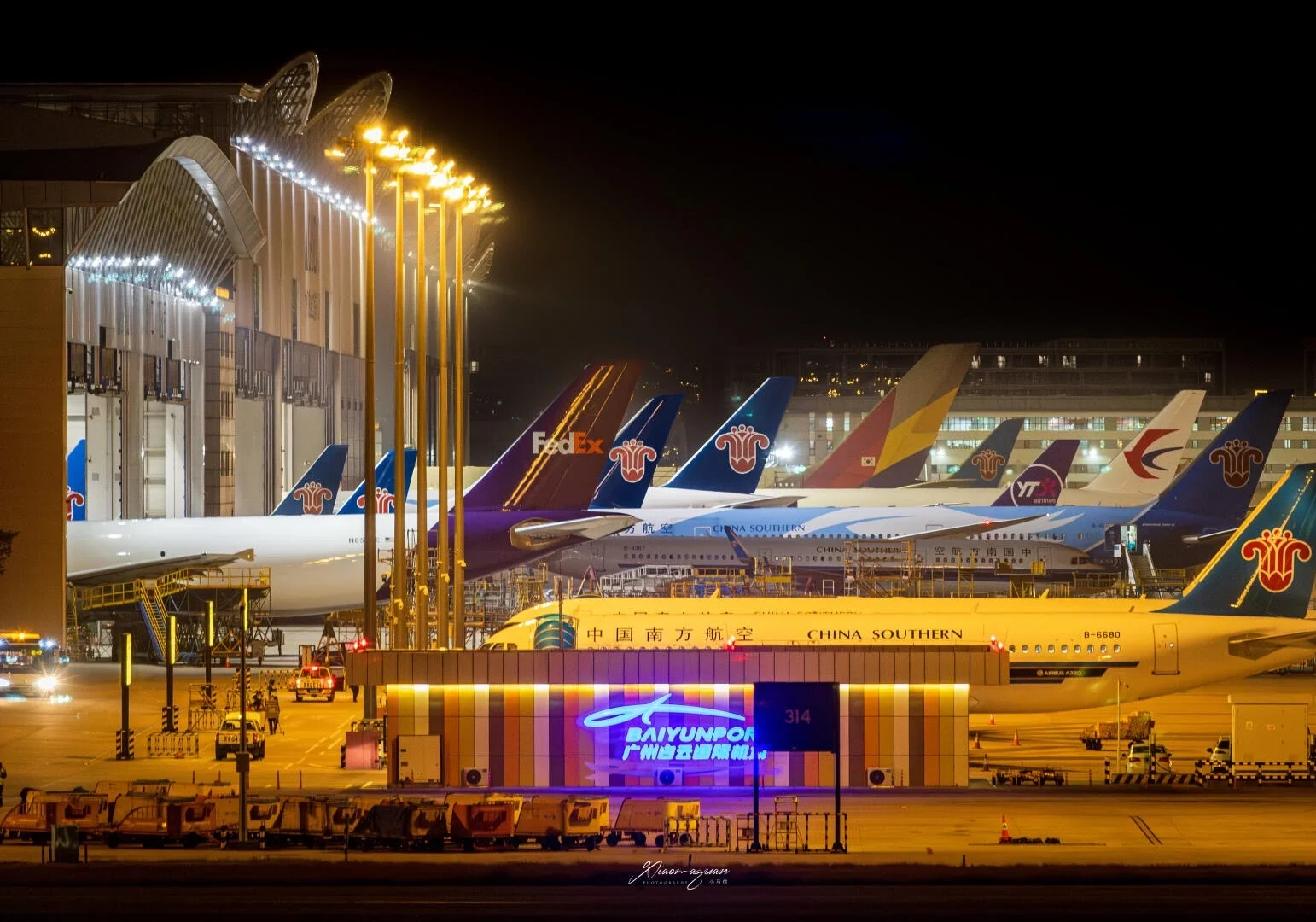
Guangzhou Baiyun Airport Night Aircraft Lineup
For air arrivals, Guangzhou Baiyun International Airport is usually the more useful gateway. It offers far more flight options than Foshan’s smaller airport and connects smoothly onward by rail, metro, coach, or car transfer. For most international and long-distance domestic travelers, this is the most realistic air entry point.
Best entry logic
The easiest first-trip logic is usually Guangzhou first, then Foshan by high-speed rail or metro. If you are already traveling within Guangdong, direct rail into Foshan is often even simpler. Either way, Foshan fits smoothly into a wider Guangzhou–Guangdong route.
How to Get Around Foshan
Foshan is manageable once you separate the main city-center culture layer from its extensions. The core historic and urban areas are best handled on foot plus short metro or taxi rides, while Shunde and Xiqiao Mountain should be treated as deliberate outward moves rather than casual add-ons.
Route
Best way to travel
What to know
Guangzhou ↔ Foshan core
Metro or high-speed rail
Metro is easy and budget-friendly; high-speed rail is faster if your station locations work well.
Rail station ↔ city center
Metro or taxi
Metro is usually sufficient; taxis save time if you have luggage or a tight schedule.
City center ↔ Zumiao / Lingnan Tiandi
Walking
These two work best as one walkable city-core layer and usually do not need extra transport.
City center ↔ Nanfeng Kiln / Shiwan
Metro or taxi
This is a clear craft extension from the center and is easier by direct metro or short taxi ride.
Foshan ↔ Shunde
Rail/metro or taxi
Shunde is a stronger food extension and should be planned as a dedicated move, not squeezed between center-city stops.
Foshan ↔ Xiqiao Mountain
Taxi, car, or longer public transit
This is the clearest nature extension and needs more deliberate transport planning than the city-core layers.
Inside the main culture zone, walking does a lot of the work. Use metro for efficient cross-city movement, and taxis when time matters or when you are heading to clearer extensions like Shunde or Xiqiao Mountain.
Where to Stay in Foshan
Foshan Boutique Homestay Garden Courtyard
Stay in Chancheng if…
This is the safest and most practical choice for first-time visitors. Chancheng is the city-center core, with the main cultural sites, walkable streets, and metro access all concentrated here. Staying here reduces transit time and keeps your itinerary simple. If you want a clean, efficient 2–3 day trip, this is the default base.
Stay in Shunde only if…
Choose Shunde only if food is a primary goal and you plan to spend at least one full day there. It works well for dedicated eating-focused trips, but it is not ideal for a Foshan-first itinerary because it separates you from the cultural core and adds back-and-forth travel.
Stay in Nanhai if…
Nanhai works best if you are combining Foshan with Guangzhou and want strong metro connectivity. It is more modern, with business hotels, malls, and easier cross-city access. However, it is less convenient for walking-based cultural exploration, so it suits convenience-focused travelers more than first-time culture-focused ones.
Stay near the rail hub only if…
Areas near Foshan West or other rail stations are mainly functional. They are useful for short overnight stays, early departures, or transit stops, but they are not ideal for experiencing the city. Expect limited atmosphere and longer travel times to the main sights.
Stay in Foshan as part of a Guangzhou route if…
If you are planning a Guangzhou + Foshan trip, it is often more efficient to stay in Foshan for at least one night rather than commuting both ways. Choose a metro-connected area so you can move easily between the two cities without changing hotels.
Stay in Foshan for food + culture balance if…
If you want both the cultural core and access to Shunde, stay in the city center near metro lines. This lets you cover temple, craft, and urban layers first, then make a clean, direct trip to Shunde without disrupting your main itinerary.
Foshan’s food matters not just for variety, but for how clearly it reflects local Cantonese cooking. The experience is strongest when you treat food as part of the route, especially by giving Shunde its own dedicated extension.
Signature Foshan dishes to try
Double-skin milk (双皮奶): Foshan’s most recognizable dessert, especially strong in the Shunde food layer. It is worth trying because it shows how local Cantonese sweets can feel rich yet still clean and light. The texture is soft and silky, the milk flavor is clear, and the sweetness is controlled rather than heavy. It suits almost all travelers, including people who do not usually go out of their way for desserts.
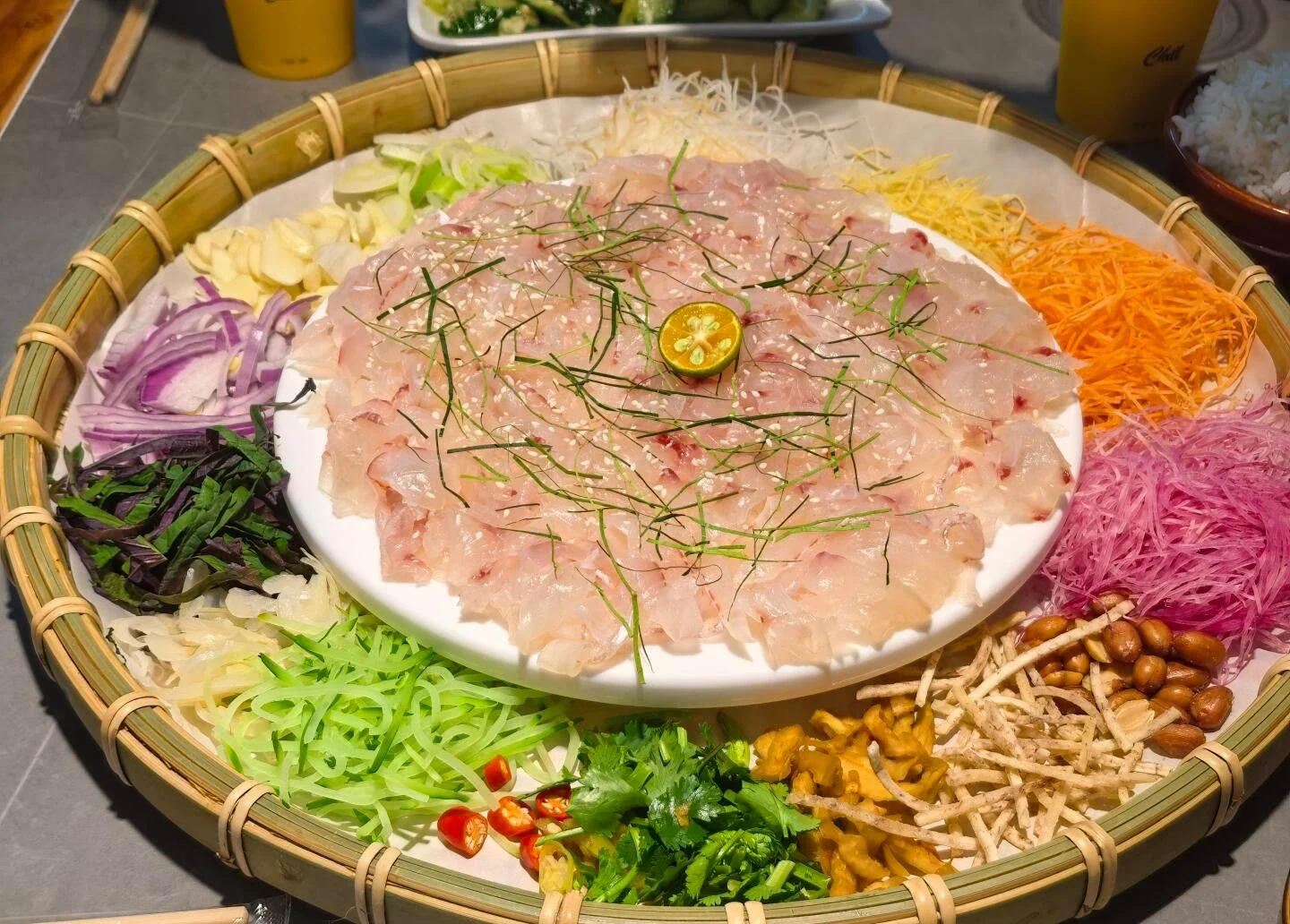
Shunde-style fish sashimi (顺德鱼生): One of the clearest expressions of the local food logic of freshness, knife work, and ingredient confidence. It is worth trying if you want to understand why Shunde matters so much inside a Foshan food trip. The taste is delicate rather than aggressive, so it suits travelers who enjoy fresh fish and subtle flavors more than heavily seasoned dishes.
Roast goose (烧鹅): A core Cantonese roast-meat layer that deserves attention in Foshan because the focus is often more on the meat’s savoriness and fat balance than on sweetness alone. The skin should be crisp and the meat tender. It suits most visitors, especially those who want a stronger savory contrast to lighter soups, desserts, and congee.
Wonton noodles (云吞面): One of the most practical everyday foods to try in the Foshan city core. It is worth eating because it shows the breakfast-and-lunch side of local life rather than banquet-style dining only. Expect thin wrappers, springy noodles, and a clear broth. It suits travelers who want a quick, reliable, and very local meal.
Wumizhou rice-less congee (毋米粥): A Shunde specialty built around a smooth congee base rather than visible grains of rice. It is worth trying because it shows the region’s technical precision and preference for soft, clean, layered flavors. It suits travelers who prefer lighter meals, people with sensitive stomachs, and anyone interested in Cantonese soup-and-congee traditions.
Foshan’s flavor logic
Foshan Seafood Feast Cantonese Cuisine
Foshan cooking emphasizes freshness, softness, and clarity of taste rather than heavy seasoning. Steaming, poaching, and light roasting are common, allowing ingredients to stay recognizable. This makes the food approachable for most travelers, including those who prefer milder flavors or want a break from heavier regional cuisines.
Regional differences
Compared with Guangzhou, Foshan often feels more local and less polished, with a stronger everyday dining atmosphere. Shunde adds another layer, focusing on ingredient quality and technique-driven dishes that are widely respected across China. Compared with other Guangdong regions, Foshan food is generally lighter and less intense in flavor.
What to focus on as a visitor
Do not try to cover everything. Focus on a few representative meals: a dessert stop, one roast or cooked dish, and one Shunde-focused food session. If possible, separate your Shunde visit into its own half-day or day so food becomes the main activity rather than something rushed between attractions.
How Much Does a Foshan Trip Cost?
Foshan is generally not an expensive destination, especially if you focus on the city-center cultural layer. Entry fees are low, food can be very affordable, and transport costs stay reasonable. Your total budget mainly depends on hotel choice, how deeply you explore Shunde food, and whether you add longer extensions like Xiqiao Mountain.
Budget level
Per person / day
What it includes
Budget-ish city stay
¥400–600
Basic hotel, local meals, metro transport, core sights
Foshan itself is cost-efficient, especially in the main cultural areas.
The city-center layer offers strong value through low entry costs and easy walking.
Costs rise with hotel upgrades, Shunde food-focused dining, and longer extensions.
Compared with Guangzhou, Foshan usually feels easier on both hotel and food budgets.
A typical 2–3 day trip stays manageable unless you intentionally upgrade comfort and dining.
Practical Travel Tips for Foshan
Do not approach Foshan expecting a landmark-heavy city. Its value comes from culture, food, and atmosphere rather than headline sights.
Set a clear main focus before you go: culture, craft, food, or a Guangzhou-linked route. This avoids overloading your schedule.
Plan Shunde as a separate half-day or full-day. Do not try to squeeze it between city-center stops.
Summer is hot, humid, and prone to heavy rain. Keep plans flexible and avoid long midday walking.
Where you stay matters more than expected. Staying in the city center reduces time loss and simplifies the entire trip.
The main cultural areas are walkable. Use metro for cross-city movement and taxis when heading to extensions.
If you only stay one night, focus on the core temple area and nearby streets. Skip deeper extensions.
Pack for humidity: light clothing, comfortable walking shoes, and rain protection are essential in most seasons.
Do not try to cover everything. Foshan works better when you choose a few layers and explore them properly.
Build meal timing into the route, especially if Shunde is involved. Food-focused stops take real time and should not be treated as quick add-ons.
What Foshan Does Best for Travelers
Foshan Asia Arts Park Lake Sunset View
Lingnan-culture travelers
Foshan is strongest as a focused Lingnan culture city, with temple heritage, old urban texture, and everyday Cantonese life packed into a manageable short trip.
Martial-arts travelers
Foshan is one of the clearest places to connect with southern Chinese martial arts identity, especially when that layer is experienced inside the broader cultural core.
Craft-and-ceramics travelers
Foshan stands out for its visible ceramics tradition and hands-on craft layer, which gives the city a stronger identity than many nearby urban stops.
Food-focused Guangdong travelers
Foshan becomes much stronger when paired with a Shunde food extension, especially for travelers willing to treat eating as a main activity.
Guangzhou-extension travelers
Foshan is one of the easiest and most logical extensions from Guangzhou, adding cultural depth without requiring major route changes.
FAQs About Foshan Travel
Is Foshan worth visiting for first-time travelers?
Yes, but with the right expectations. Foshan is a strong choice for culture, food, and slower city travel, but less suitable if your first China trip is centered on iconic landmarks and high-impact sightseeing.
How many days do I need in Foshan?
Most travelers need 2–3 days. That gives enough time for the core city layer plus one extension such as craft, food, or nature.
What is Foshan famous for?
Foshan is known for Lingnan culture, martial arts heritage, ceramics, and Cantonese food traditions, especially when Shunde is included as a food extension.
Is Foshan better as a day trip or an overnight trip from Guangzhou?
An overnight trip is usually better. A day trip can cover the core, but one or two nights give the city enough room to feel distinct.
Should I visit Shunde as part of a Foshan trip?
Yes, if food matters to you. Treat it as a dedicated extension rather than trying to squeeze it into a rushed city-center day.
What is the best time to visit Foshan?
Autumn and winter are the safest seasons. Spring is workable but humid, while summer is the least comfortable because of heat and rain.
Where should I stay in Foshan?
For most first-time visits, stay in the city center. It keeps the main cultural areas close and makes the route much easier to manage.
Can I visit Foshan independently?
Yes. Transport is easy, the main areas are well connected, and the core cultural zone is simple to navigate without a guide.
I’m Anthony, the founder and editor of The China Journey.
I create practical, experience-based guides covering travel, food, and culture across China, with a focus on helping international travelers make clear planning decisions.
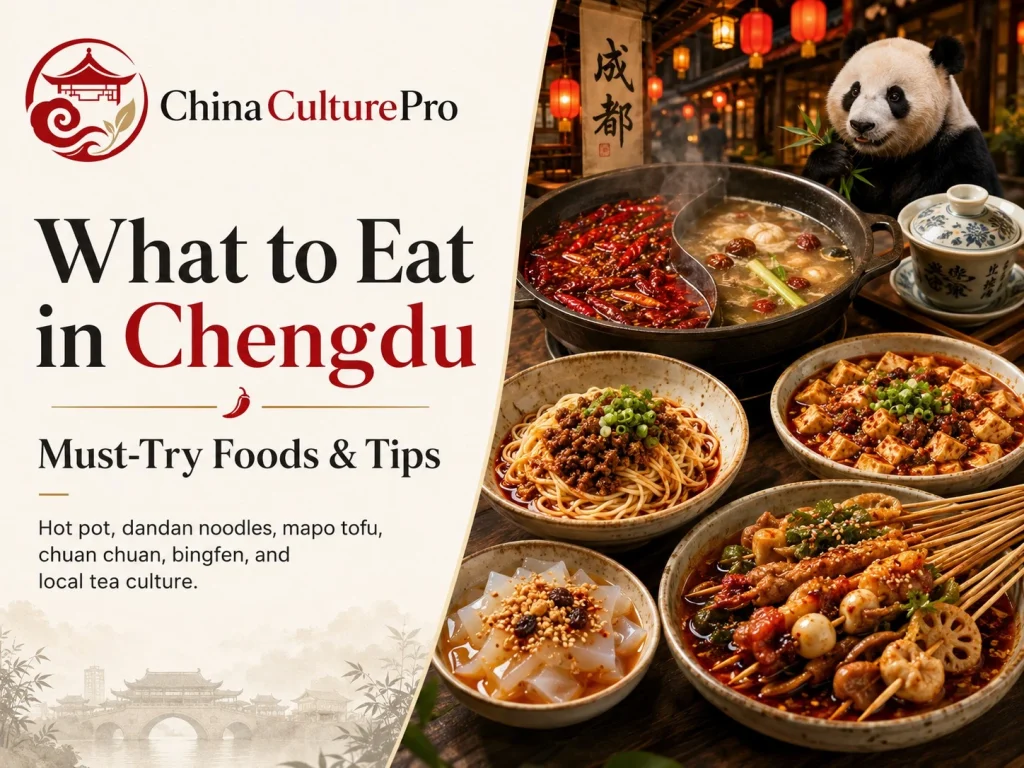
Discover what to eat in Chengdu, from hot pot and dandan noodles to rabbit head and bingfen, with spice, ordering, budget, and food-safety tips for your trip.
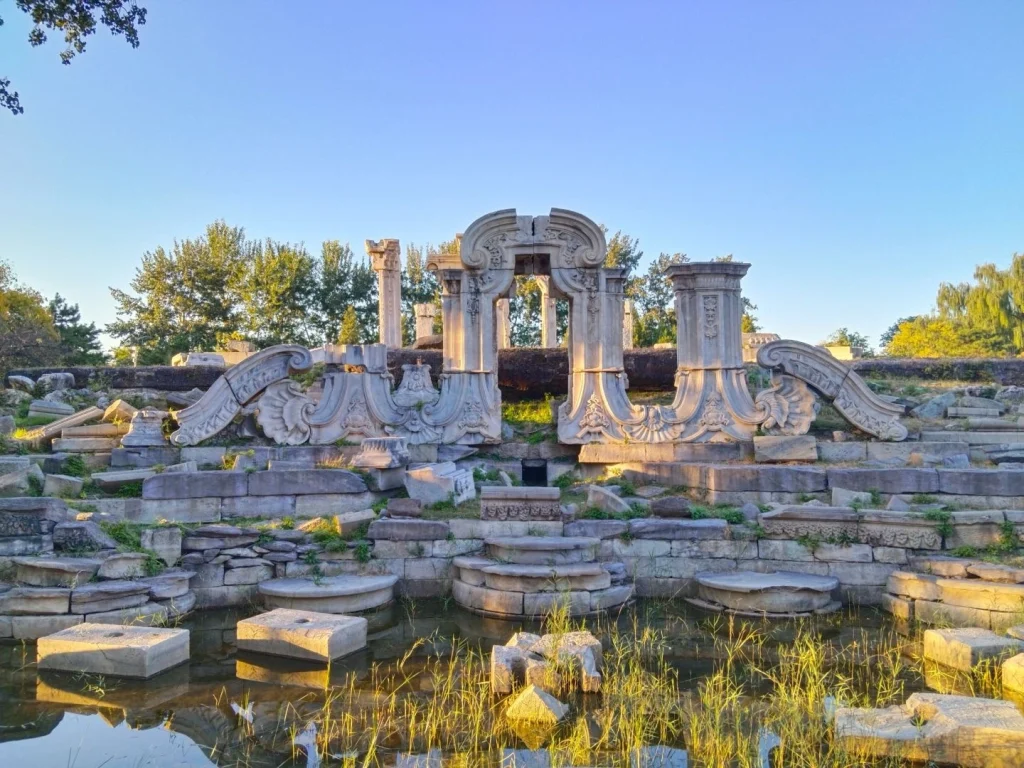
Yuanmingyuan, also known as the Old Summer Palace, is a former royal garden of the Qing Dynasty located at No. 28 Qinghua West Road, Haidian District, Beijing.
Discover the vibrant world of Feng Shui bracelets—Chinese energy jewelry crafted with five‑element materials to harmonize qi, attract fortune and empower your life.
Learn the 1991 Metal Goat dates, Xin-Wei meaning, Roadside Earth Na Yin, personality symbolism, compatibility, and the 2027 Ben Ming Nian context.
Plan Your China Trip with Our Experts
Share your travel ideas, and we’ll help you plan a smooth, personalized trip across China.
Plan Your China Trip with Our Experts
Share your travel ideas, and we’ll help you plan a smooth, personalized trip across China.
Work with Us as a Local Guide in China
We’re looking for experienced, part-time local guides to serve international travelers.
Requirements:
• Fluent in at least one foreign language • 3–5 years guiding international visitors • Able to operate in multiple regions in China • Competitive and reasonable pricing • Proven customer reviews or testimonials • Professional, reliable, and responsive • Flexible availability for custom trips
Just a quick heads-up — a helpful user named Volker let me know that some of the non-English content on this site may not be accurate.
This site is a one-person project I run part-time. I research and publish all the content myself, and the translations are currently done by machine (Google Translate). Balancing accuracy and accessibility across multiple languages is a real challenge.
If you spot any errors, I recommend switching to the English version using the button at the bottom left. I’ll continue working to improve the translations over time.
I truly appreciate your understanding. And if you have any suggestions, feel free to leave a comment — it means a lot to me.